 FLY
FLY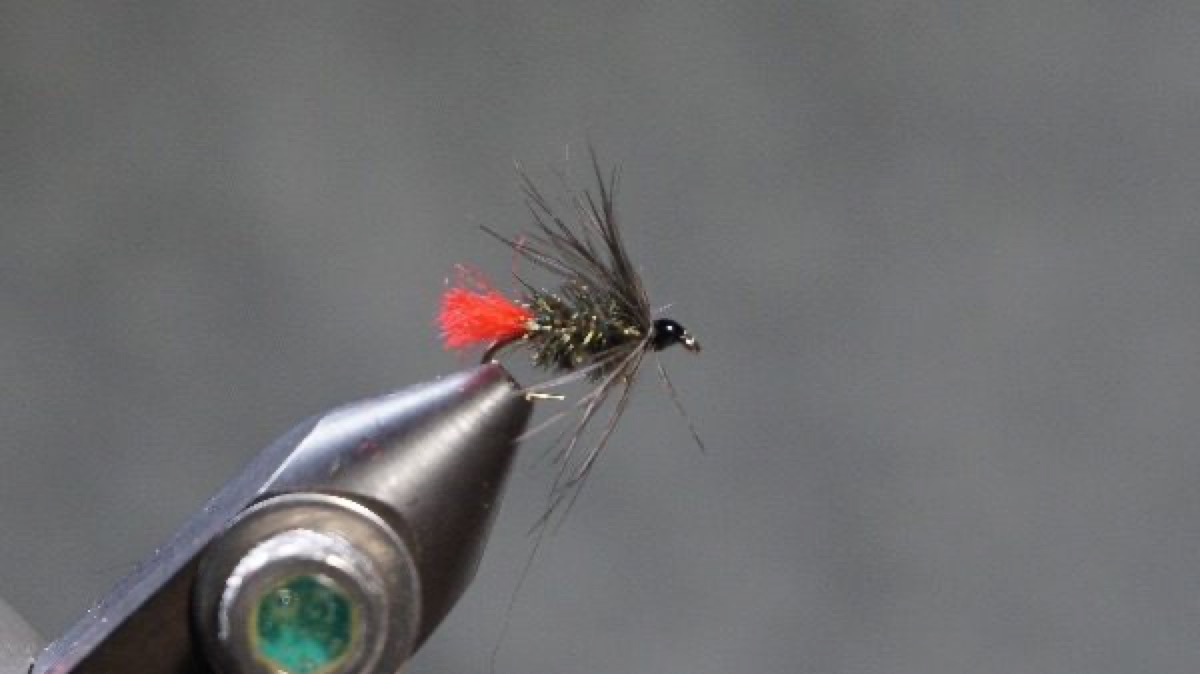
Zulu
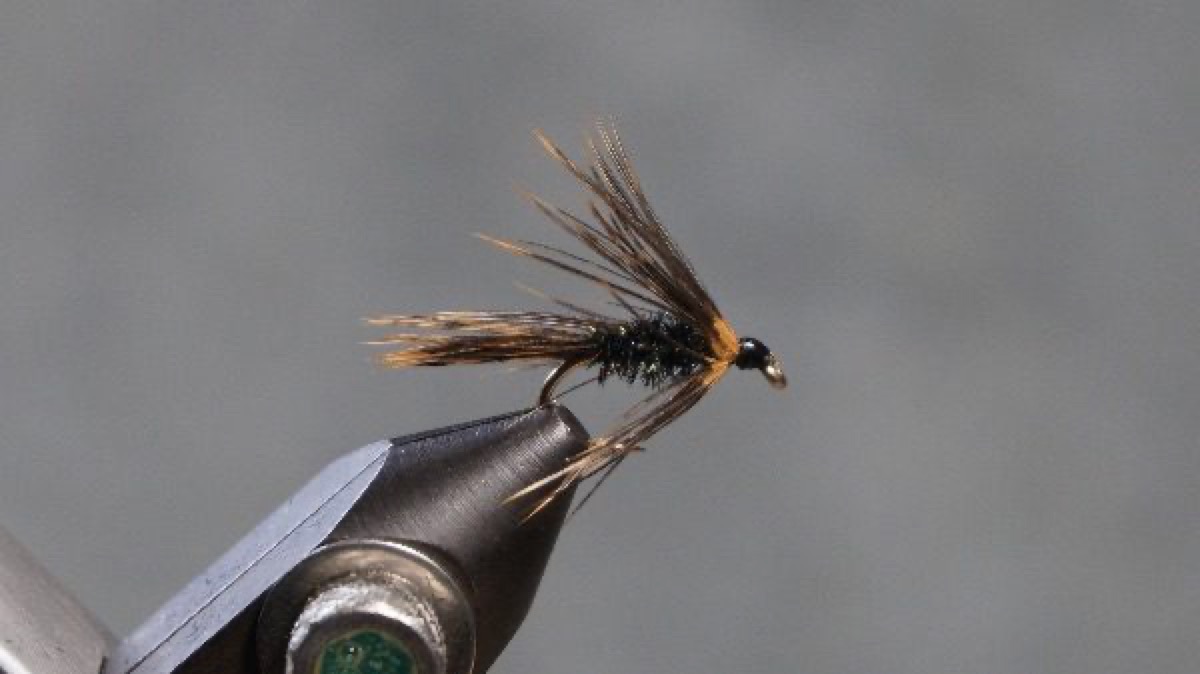
Zulu recipe
| Hook | not specified, but #12 - 18 wet (nymph, scud, emerger) |
|---|---|
| Thread | black |
| Tag | red (yarn, feather), clipped short and blunt |
| Body | Peacock herl |
| Front Hackle | soft black (hen, starling) |
About this fly
This fly is tied according to the illustration by Charles Orvis in Favorite Flies and Their Histories by Mary Orvis Marbury Lay down a thread base, leave the thread tag to be used later as a “rib”Tie in the tag; clip for a short, blunt, bushy lookTie in one strand of peacock herl at the hook bend; tight wrap forward to an eye or plus behind eye; tie off and clipCounter spiral wrap the thread tag through the herl being careful not to lay down the herl fibers; tie off and clipTie in a black, soft hackle an eye or plus behind eye in soft hackle fashion (by trimmed tip, shiny side up); wrap soft hackle, tie off; clip out stem/quillWrap thread head; whip finish; head cement
What the Zulu imitates
- Soft hackle / North Country spider / flymph / wet fly
Where the Zulu came from
- Described by Claude D. Black, 1892, Amherst, Nova Scotia. Describes it as of English origin: black, short red tail.Source: Marbury, Favorite Flies and Their Histories (1892), correspondent letter (pp.79-80)
- Described by R.C. Bridgett, 1922, Scotland. Calls it probably the best bob-fly for a hill-loch; imitation unknown.Source: Bridgett, Dry-Fly Fishing (1922)
- Originated by unknown, Britain. No originator found in vault or reliable web sources.Source: Marbury, Favorite Flies and Their Histories (1892), Nova Scotia correspondent (Claude D. Black)
Where sources tell it differently, each account is listed with its own source.
In the old books
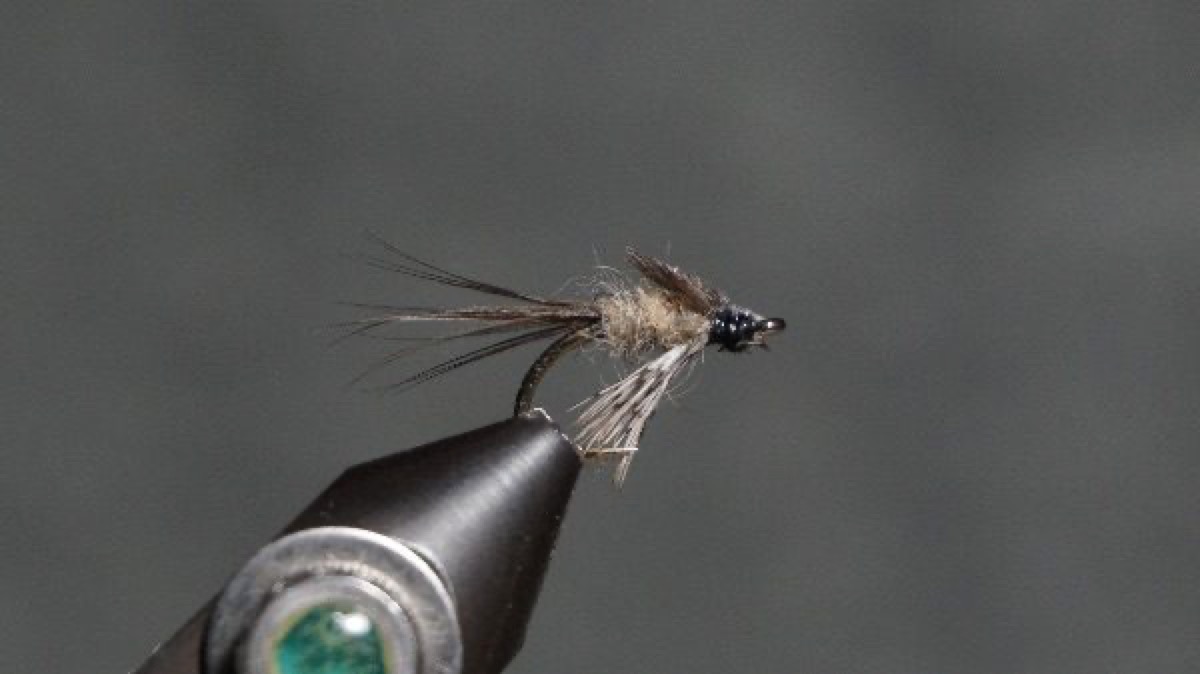
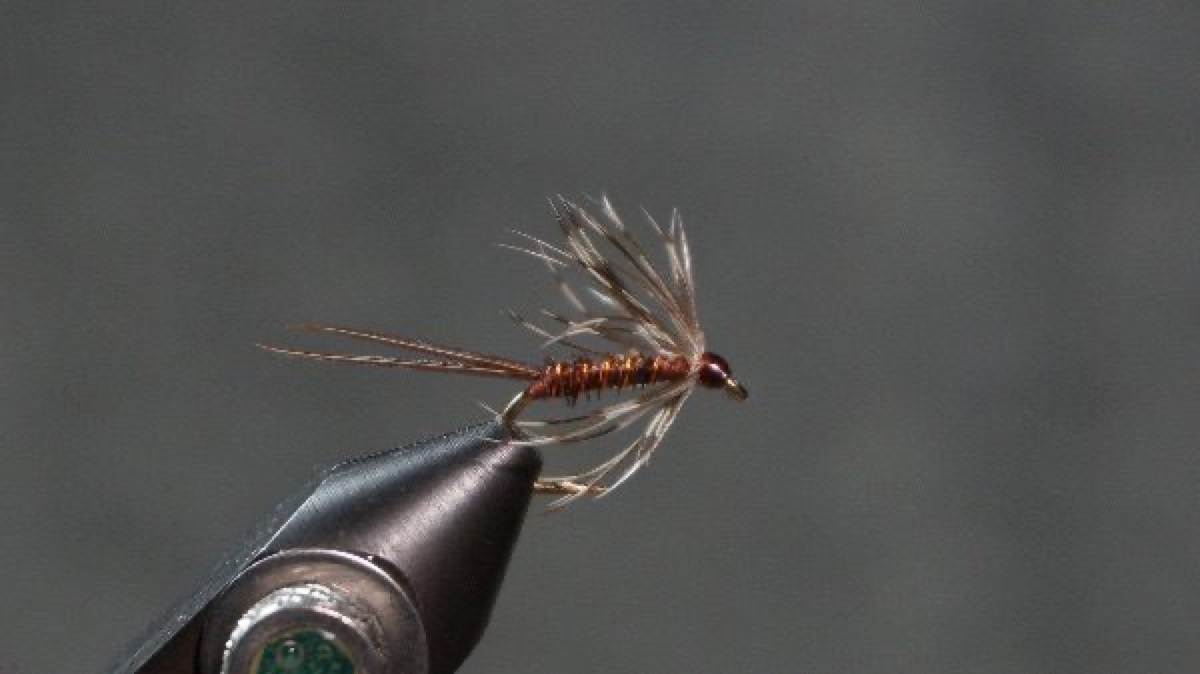
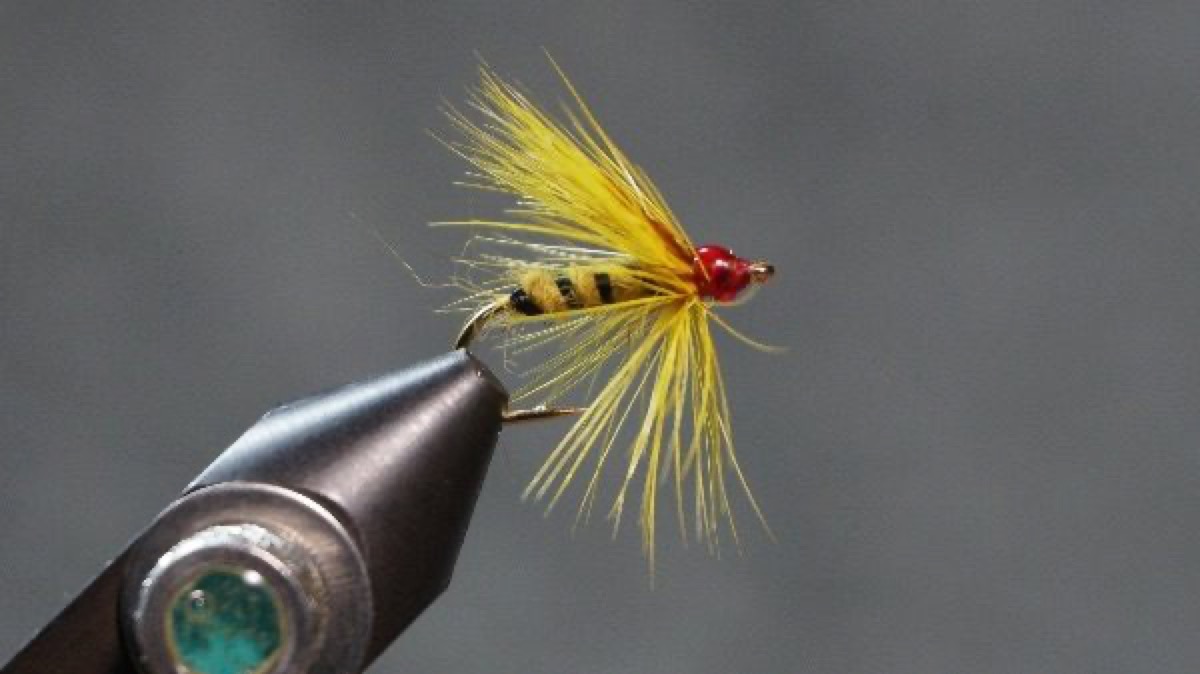
Original dressing as pictured in Marbury, Favorite Flies and Their Histories (1892), Plate A, No. 4. The photo above is a later tie, not the original.
Inside the vault every material on this fly opens to its own card, and you can save the fly to your own boxes.