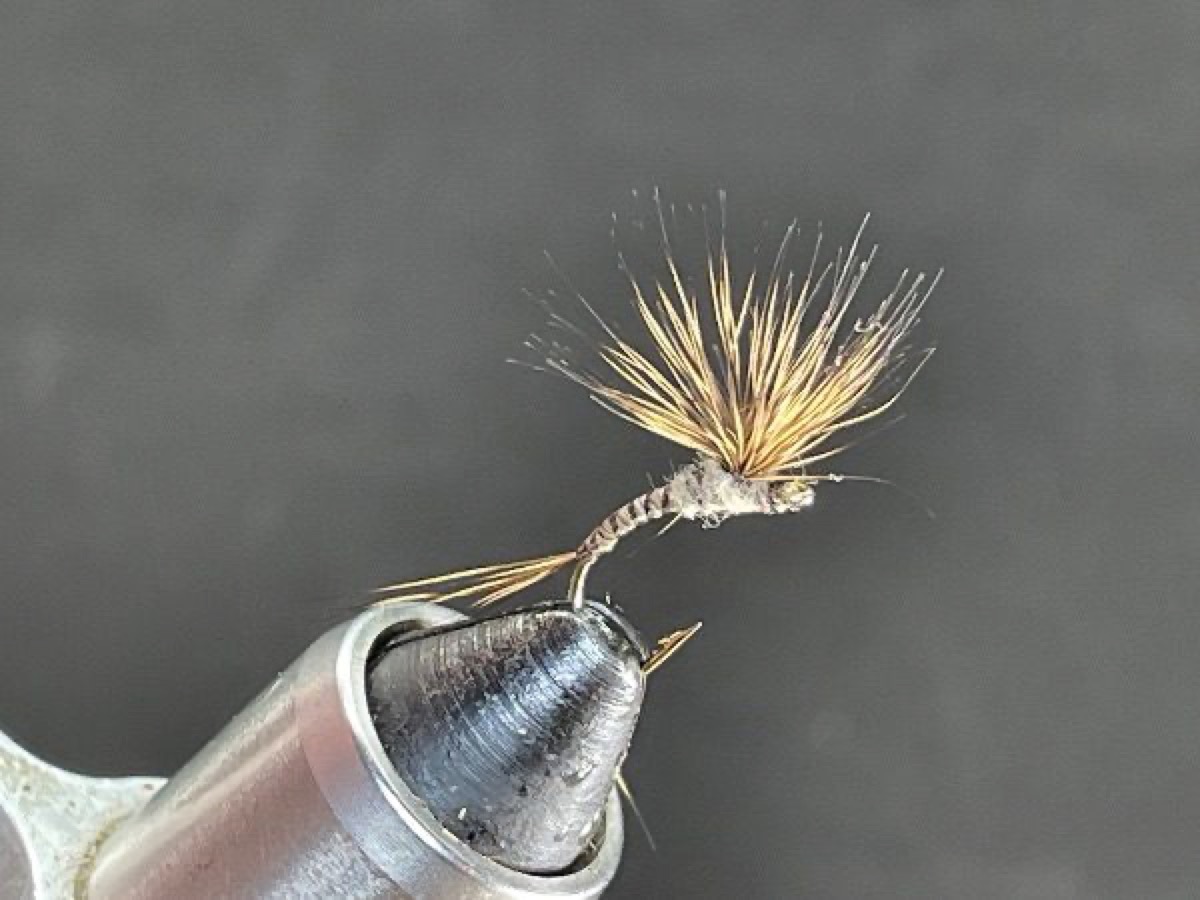
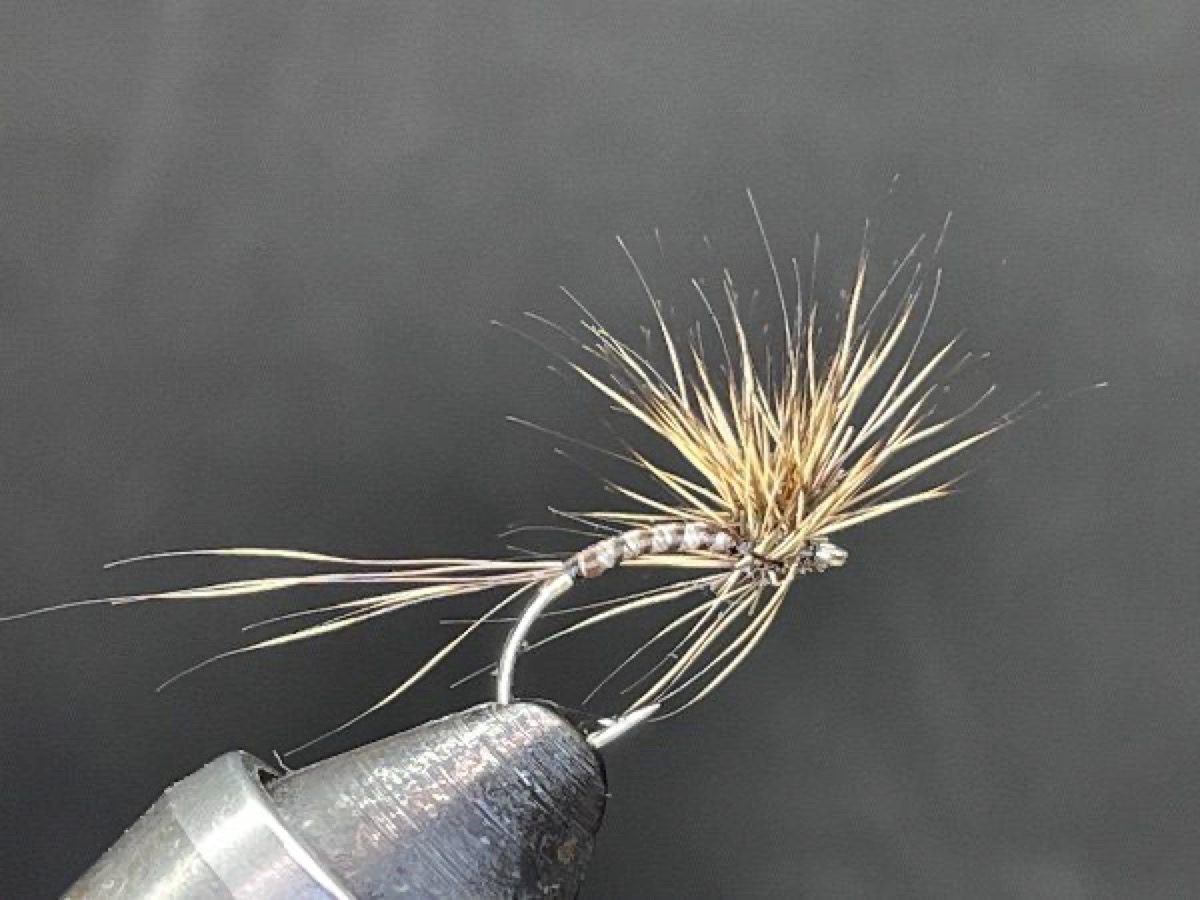
 FLY
FLY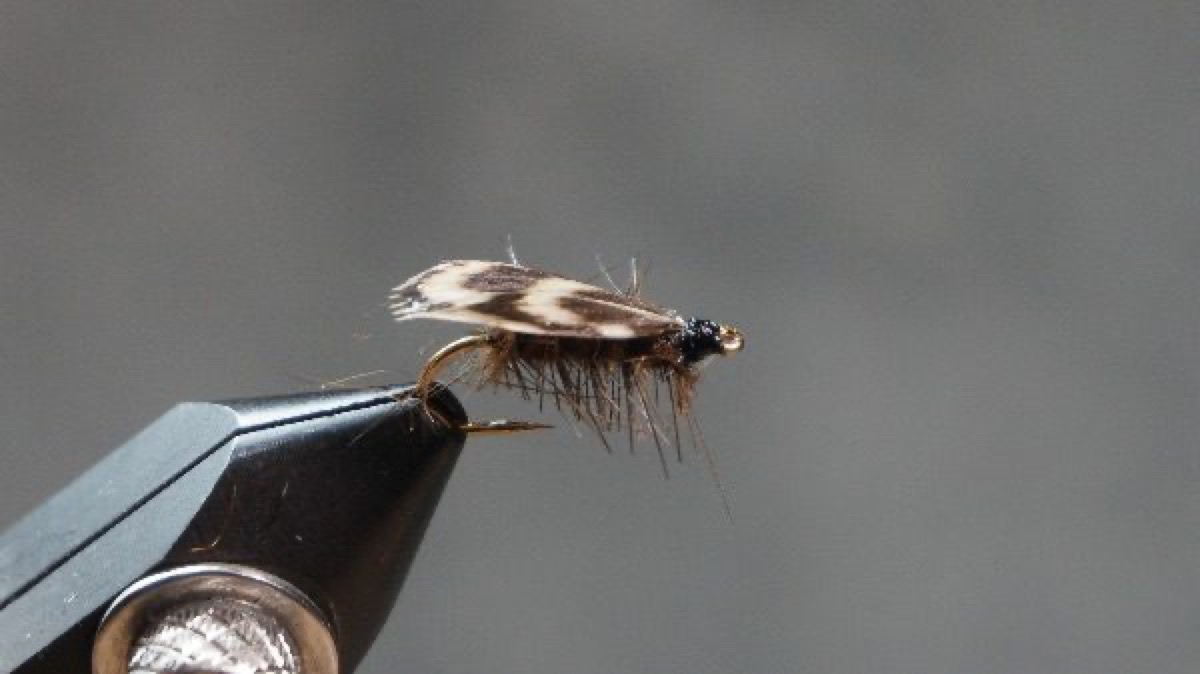
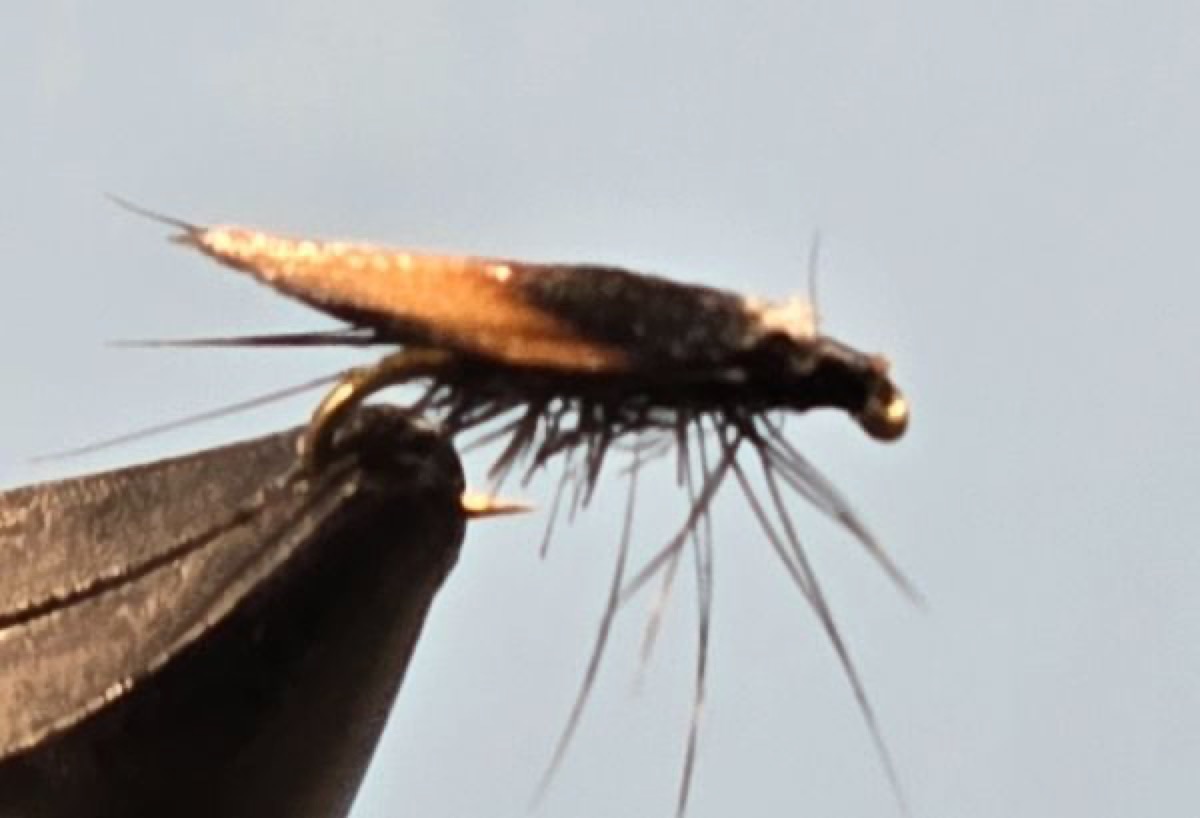
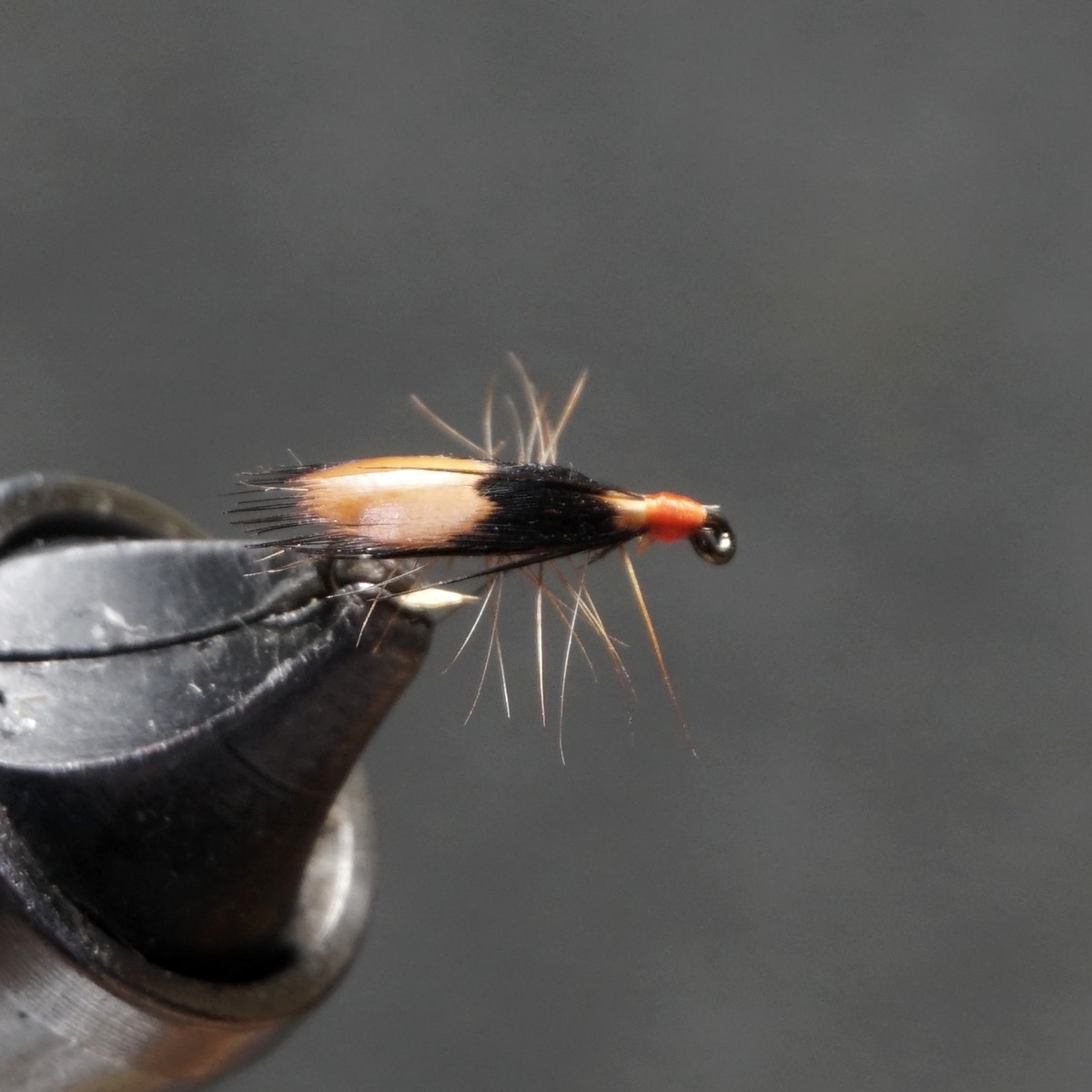
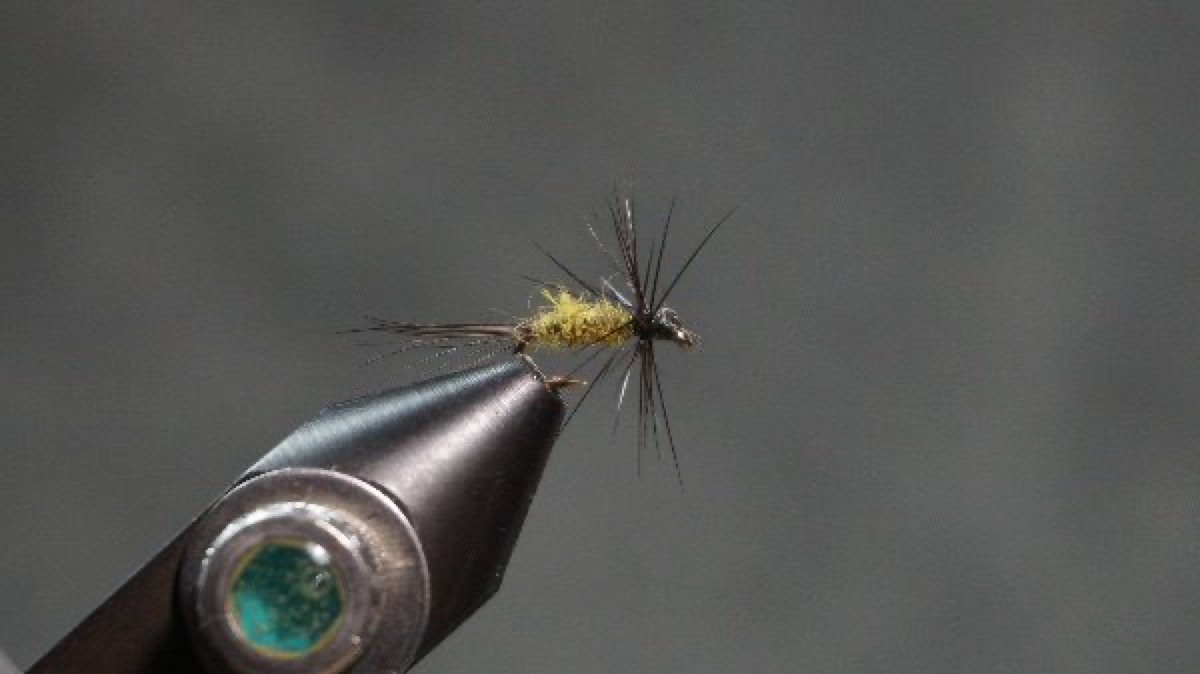
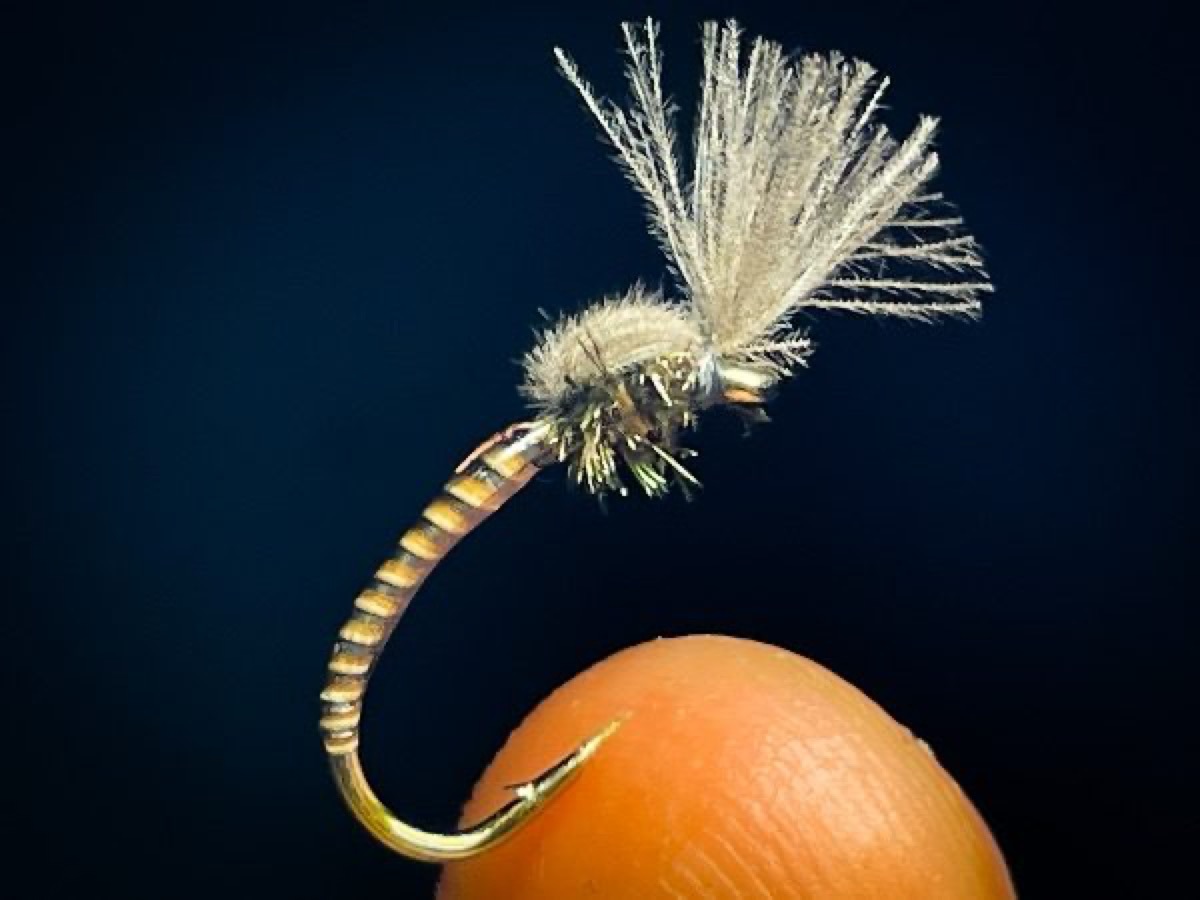
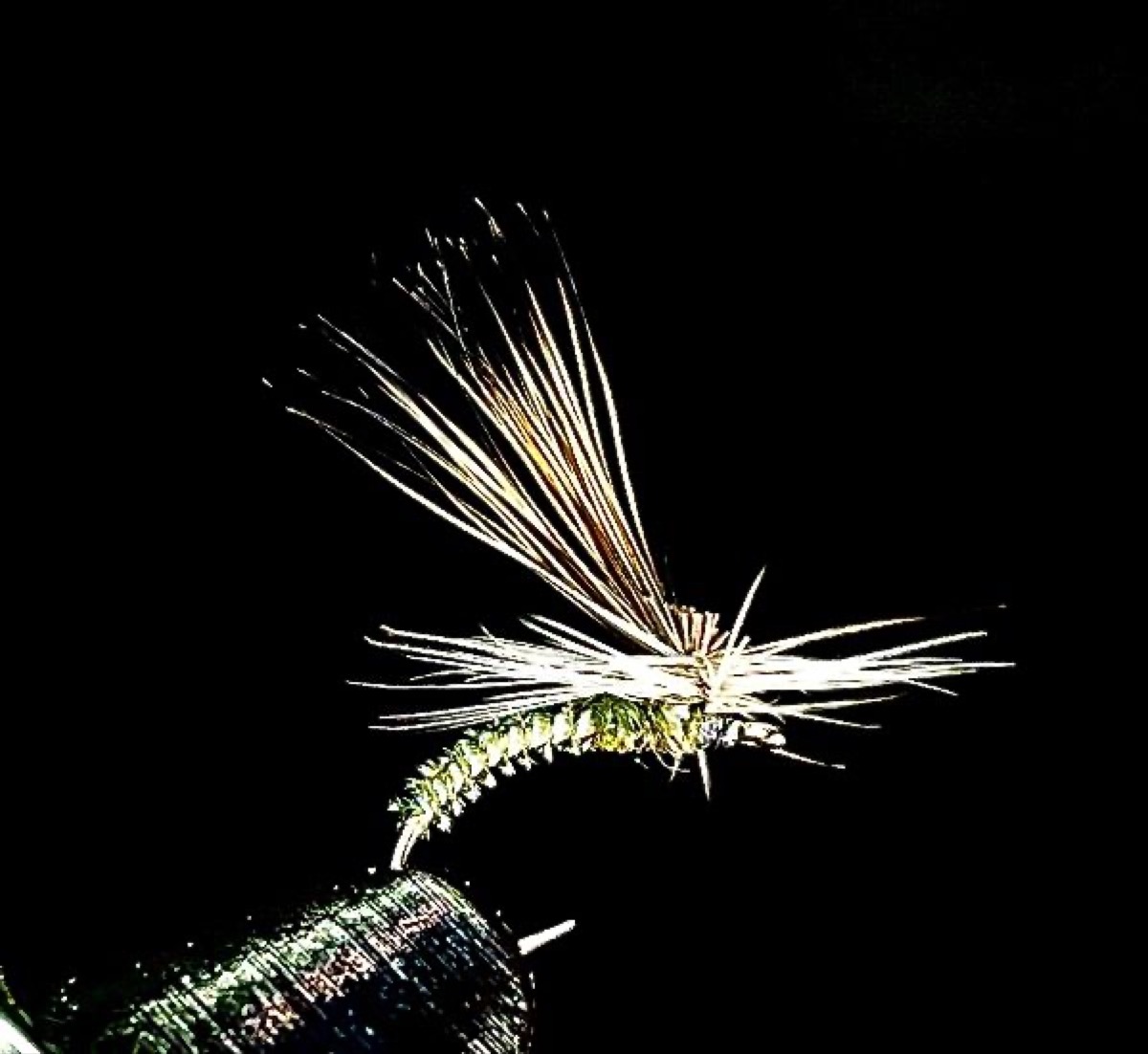
Jassid
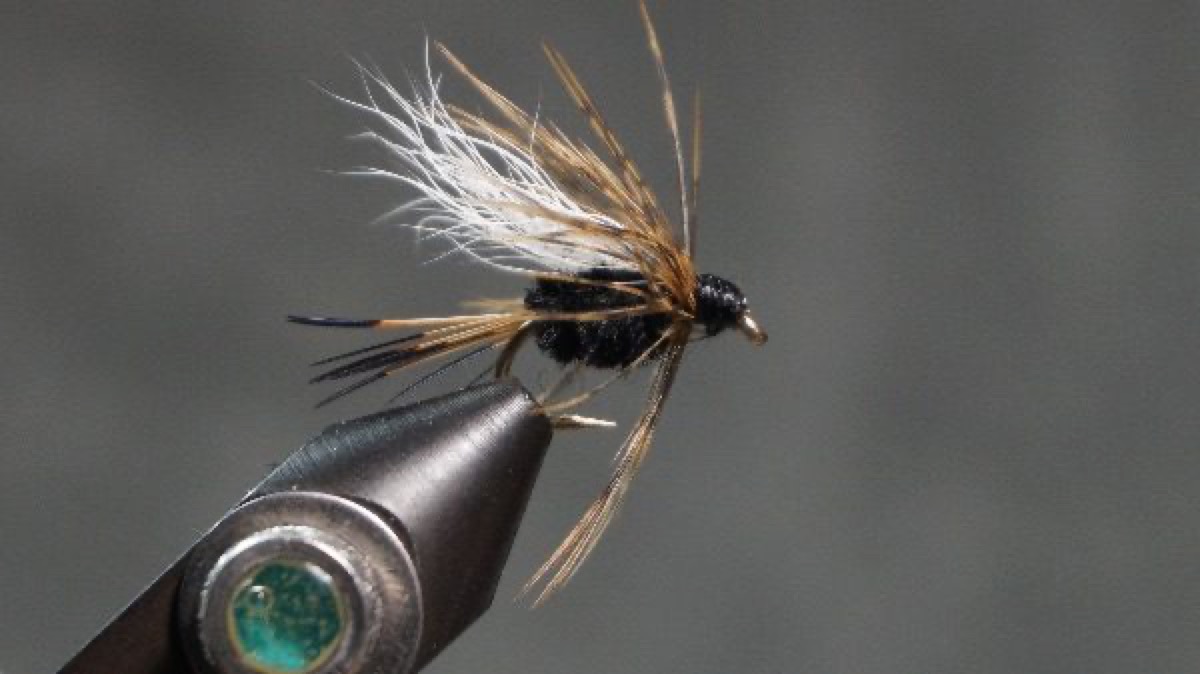
Jassid recipe
| Hook | #14 - 20 dry fly |
|---|---|
| Thread | Black or to match hackle |
| Body Hackle | dark dry fly sized to hook |
| Body | dubbing: any brown, olive, or tan |
| Wing | tip of a feather, originally jungle cock, but any works |
About this fly
a flatwing dry fly by Vince Marinaro with recipe and direction by Ed Story in Missouri Trout Flys: How to Tye and Fish Them (mimeographed 1986) Prepare the flat wing: select out just the tip of a feather and strip stem leaving a wing length of hook shank; trim leaving a tie-in stem; harden feather with head cement or UV resinLay down a thread baseTie in a dry hackle at hook bend shiny side outDub a slender body in color of choicePalmer the dry hackle in spiral wraps over the body; tie in, tie off, and clip extraTrim dry hackle fibers: short on top parallel to body; at an angle on bottom longer under the eye and shorter to the hook bendTie in the wing behind the eye, centered and laying flay on top of the bodyWrap a thread head; whip finish; head cement.
What the Jassid imitates
- Terrestrial (other: bees, flies, dung/hawthorn) (emerger)
Where the Jassid came from
- Described by Vince Marinaro, 1950. Marinaro describes the jungle cock nail over clipped palmer hackle in his own book.Source: Vince Marinaro, A Modern Dry-Fly Code (1950), as quoted by RiverKeeper Flies
- Originated by Vince Marinaro, 1950, Letort Spring Run, Pennsylvania. Developed through trial on Letort trout; named for leafhoppers of family Jassidae.Source: Southern Wisconsin TU – Jassid
Where sources tell it differently, each account is listed with its own source.
Inside the vault every material on this fly opens to its own card, and you can save the fly to your own boxes.