 FLY
FLY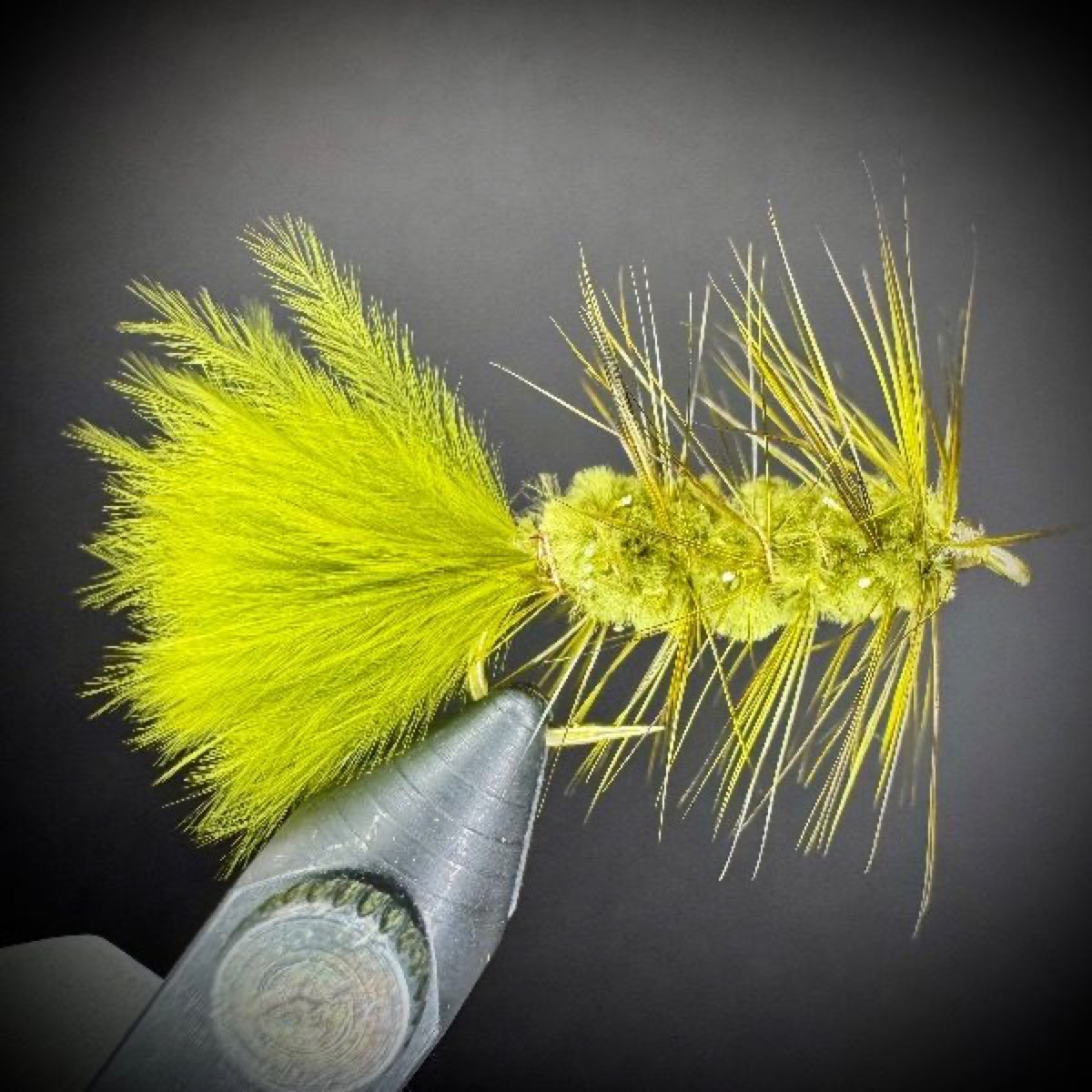
Streamer
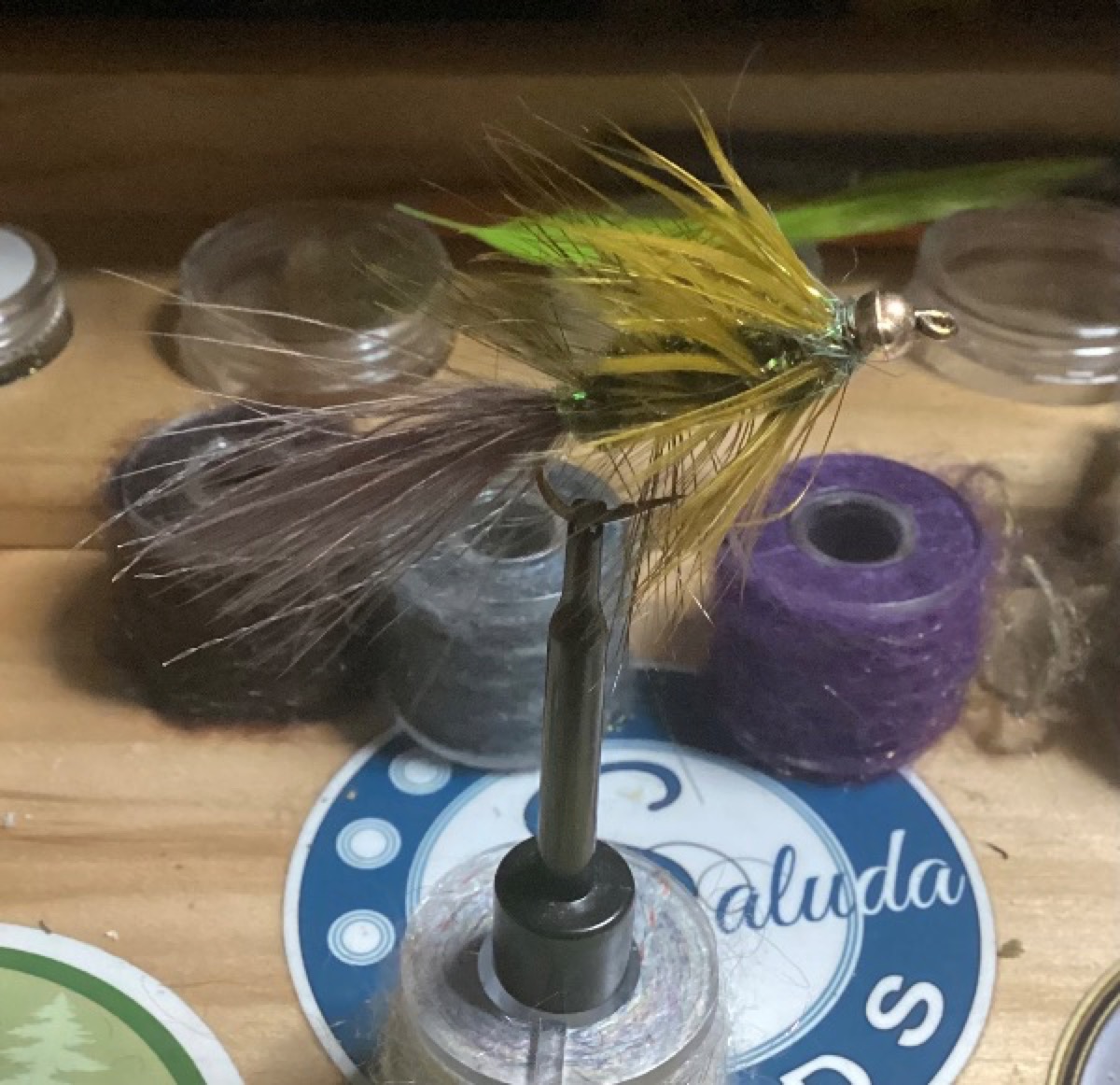
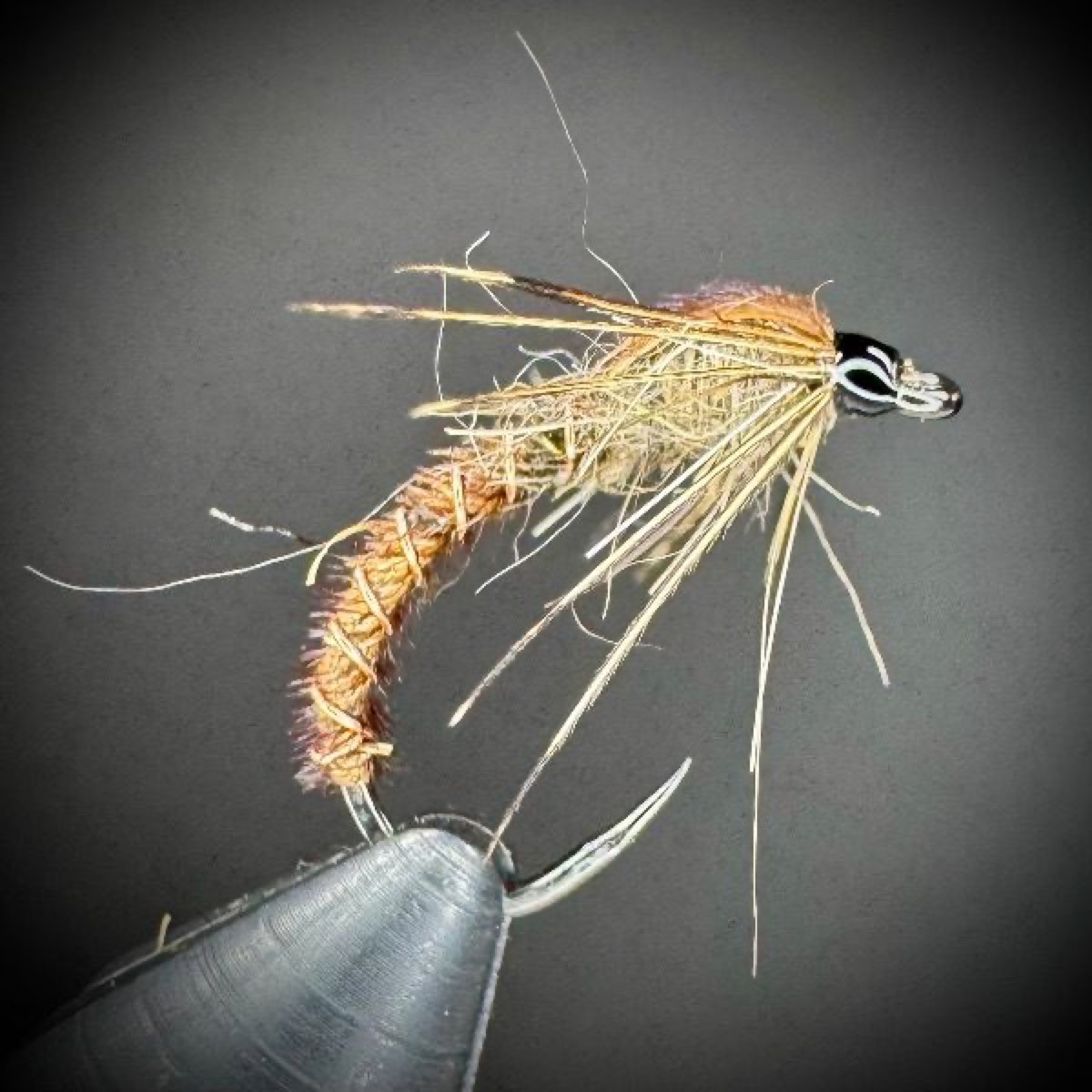
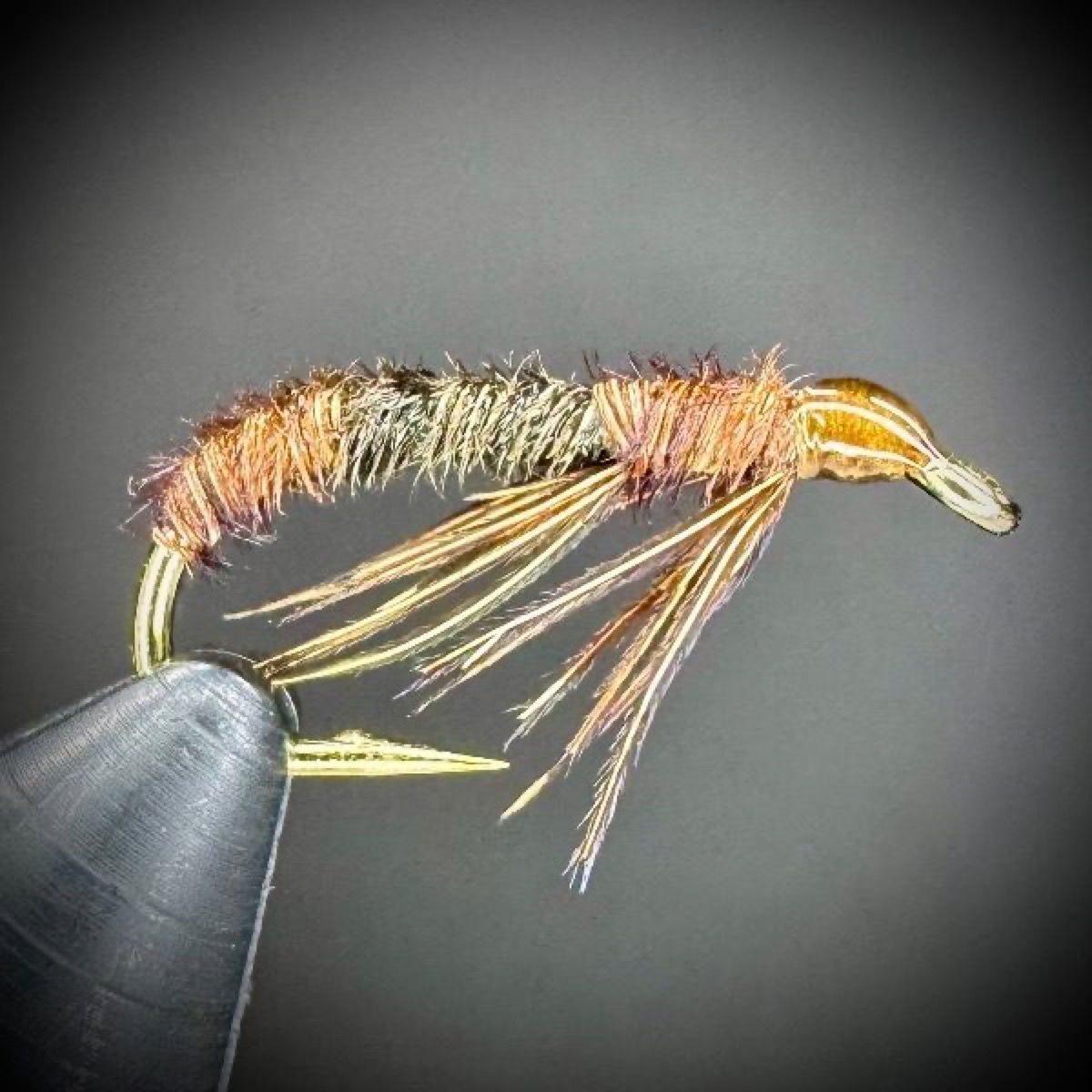
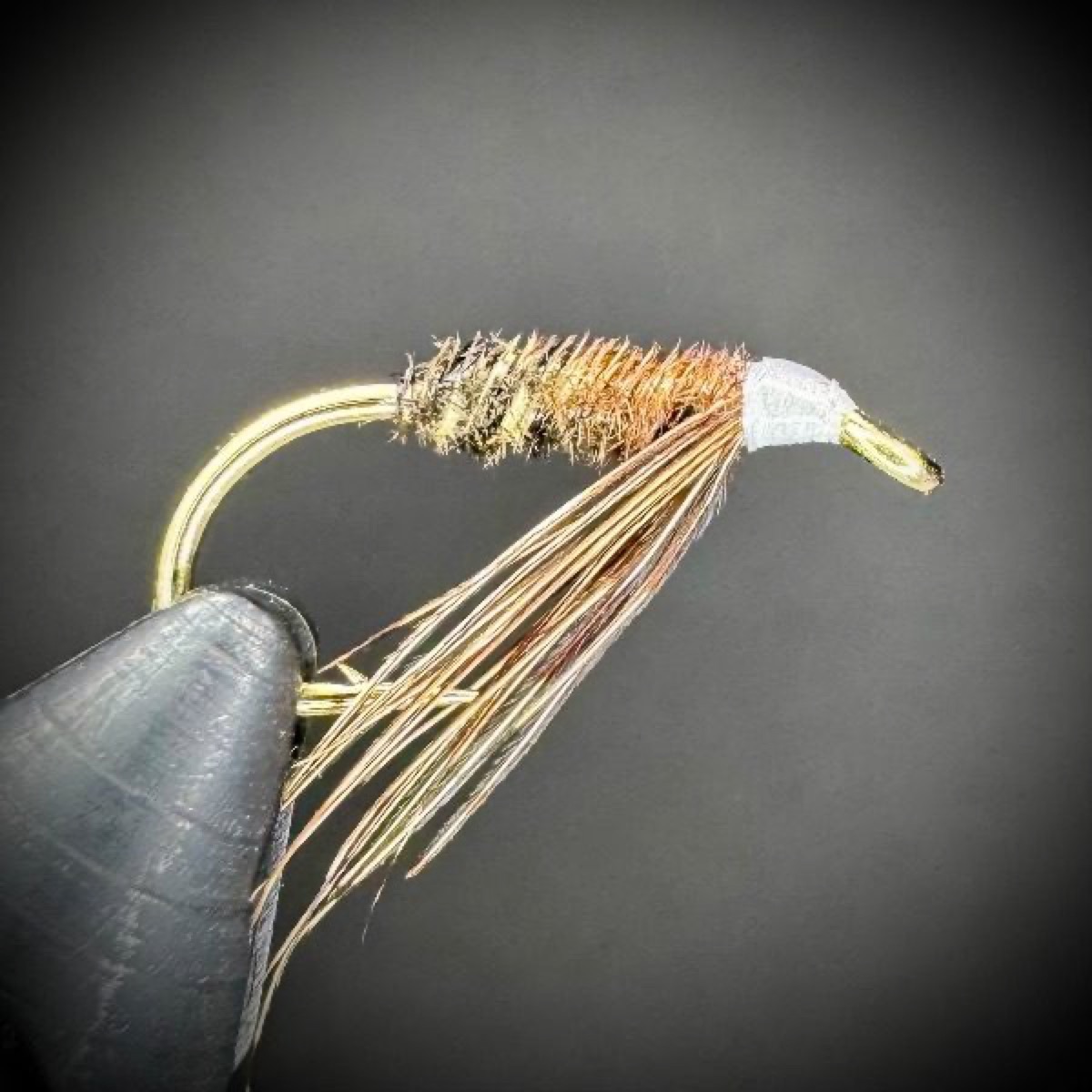
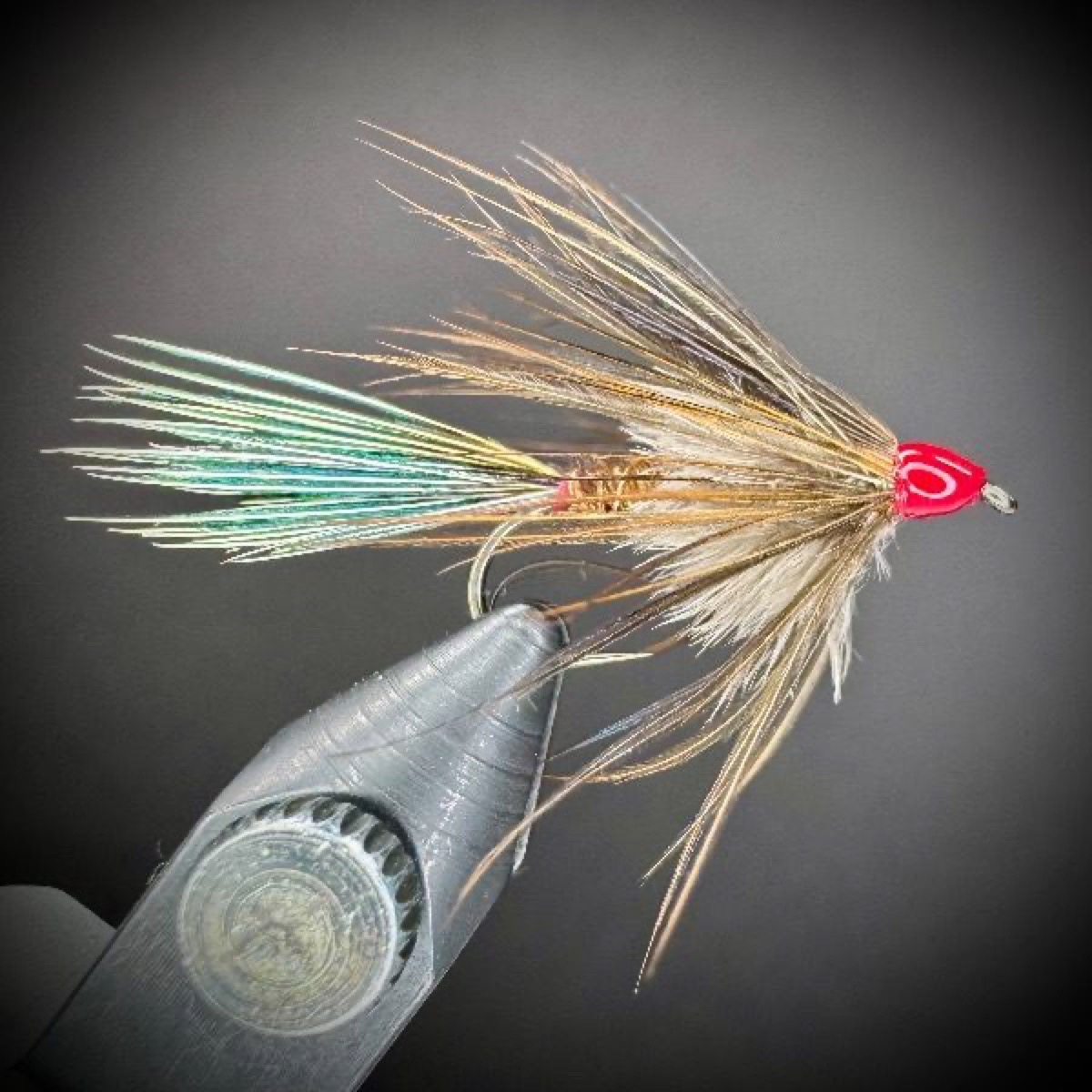
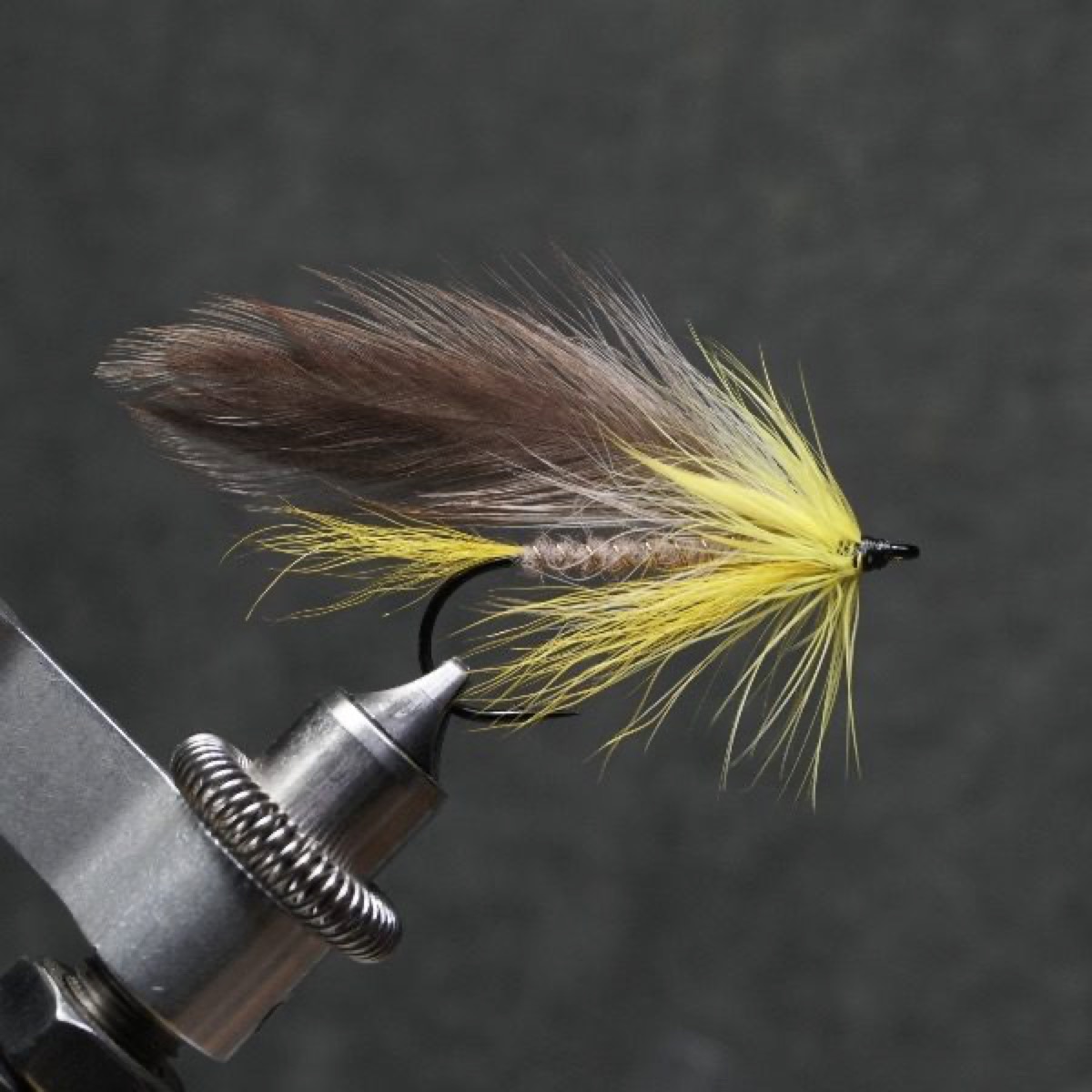
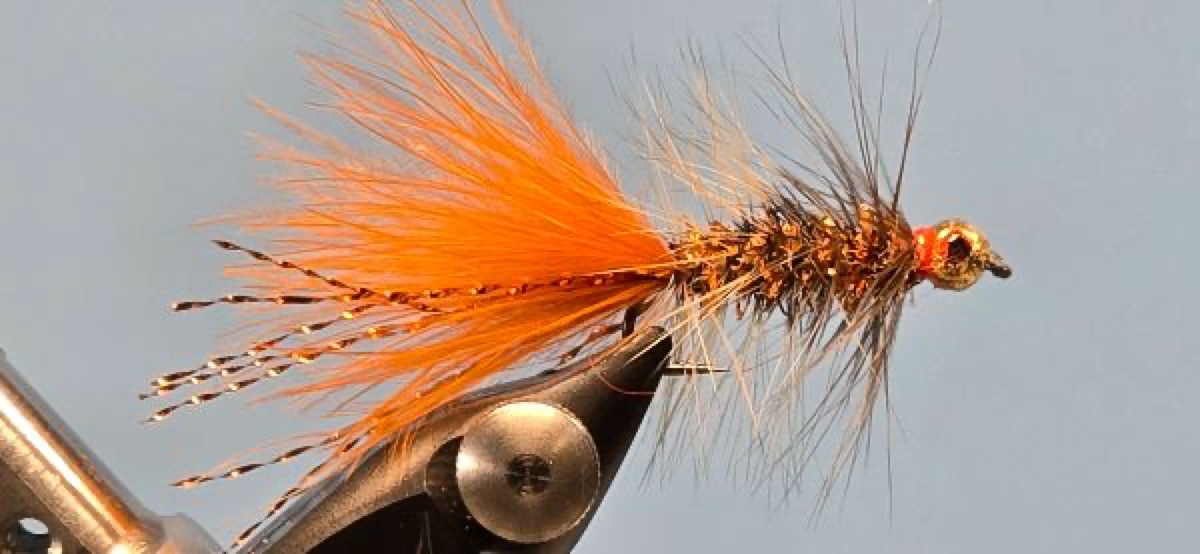
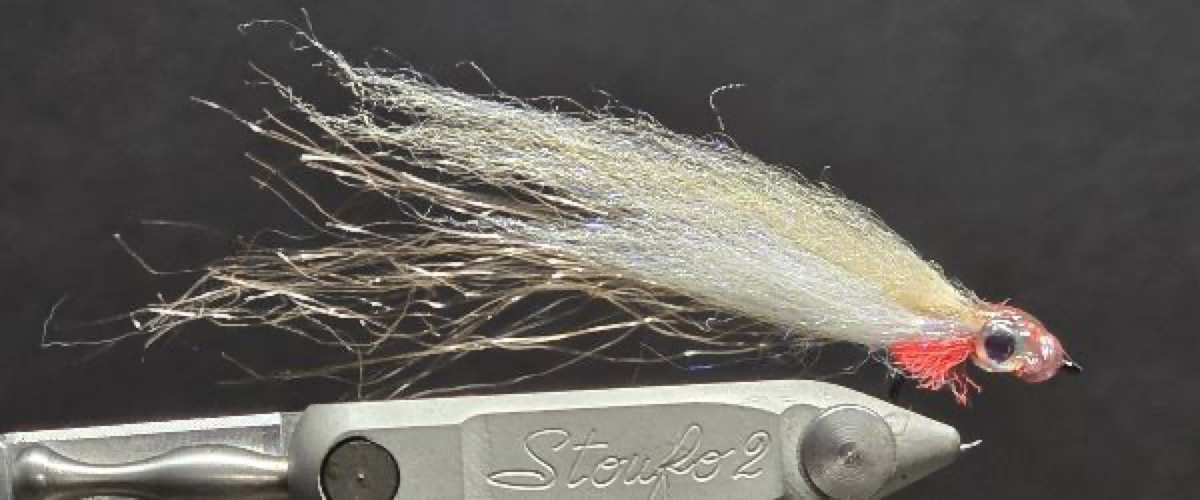
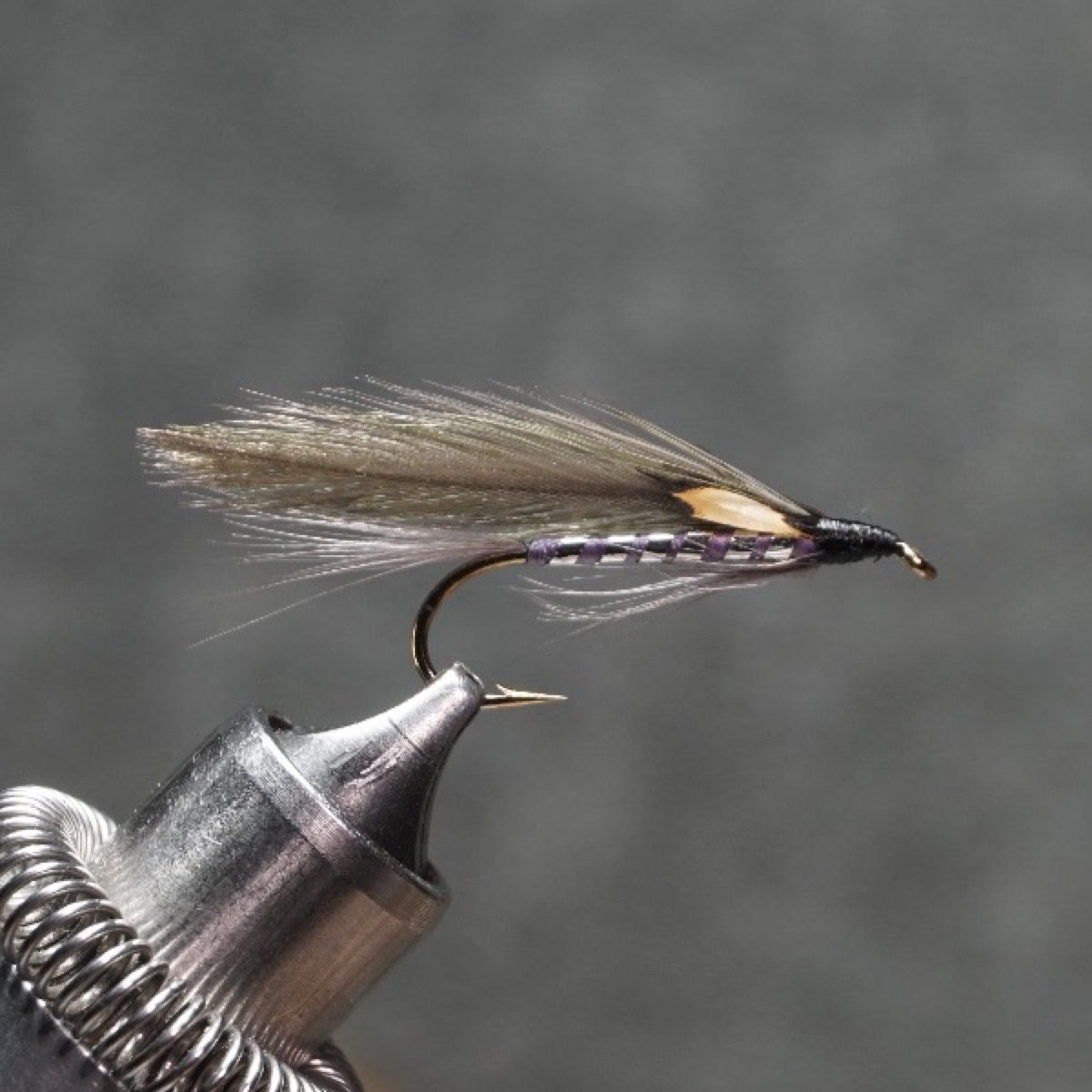
Woolly Bugger
Tied by Joe Glessner
Woolly Bugger recipe
| Hook | Mustad R74 Size 8 |
|---|---|
| Thread | 6/0 Uni-Thread, Olive Dun |
| Tail | Marabou, Olive |
| Rib | Copper Wire, Brassie size |
| Body | Medium Chenille, Olive with Gold Flash |
| Hackle | Hareline Strung 4"-6" Rooster Hackle, Olive variant |
About this fly
This is the fourth entry in the FFI Bronze Award handbook. Instructions for tying this fly can be found in the Bronze Award handbook, which can be viewed here: https://www.flyfishersinternational.org/Portals/0/FlyTyingGroup/FTGDocuments/FlyTyingSkillsAward/BronzeAwardHandbook_sm.padd
What the Woolly Bugger imitates
- Streamer / baitfish
Tied for: Bass (general), Bluegill, Bonefish, Carp, Crappie, Musky, Northern Pike, Redfish, Salmon (general), Steelhead, Striped Bass, Trout (general)
Where the Woolly Bugger came from
- Originated by Russell Blessing, 1967, Harrisburg, Pennsylvania. Tied for smallmouth bass to imitate a hellgrammite / Dobsonfly larva; the marabou tail added to a Woolly Worm base is what made it a Bugger.Source: Orvis News: Birth of the Woolly Bugger; Fly Life Magazine interview with Blessing's daughter
- Named by Julie Blessing, 1967, Harrisburg, Pennsylvania. Blessing's seven-year-old daughter named the fly on first seeing it.Source: Fly Life Magazine: Russell Blessing's Woolly Bugger (family interview)
- Derived from Woolly Worm. Evolved from the Woolly Worm, itself from the British palmer; Wikipedia adds that precise origin is unknown.Source: Wikipedia: Woolly Bugger
Where sources tell it differently, each account is listed with its own source.
Inside the vault every material on this fly opens to its own card, and you can save the fly to your own boxes.