 FLY
FLY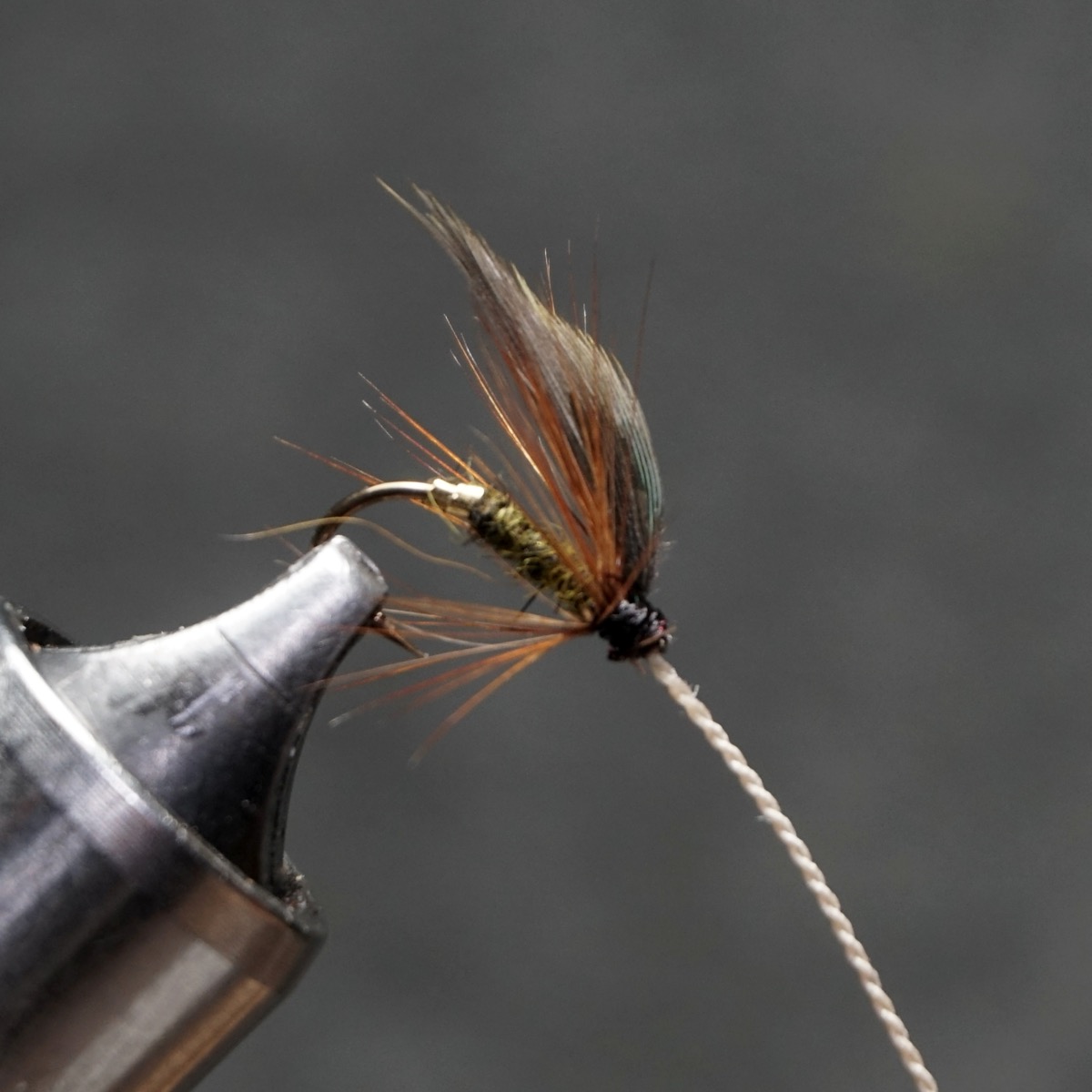
Classic Wet Fly
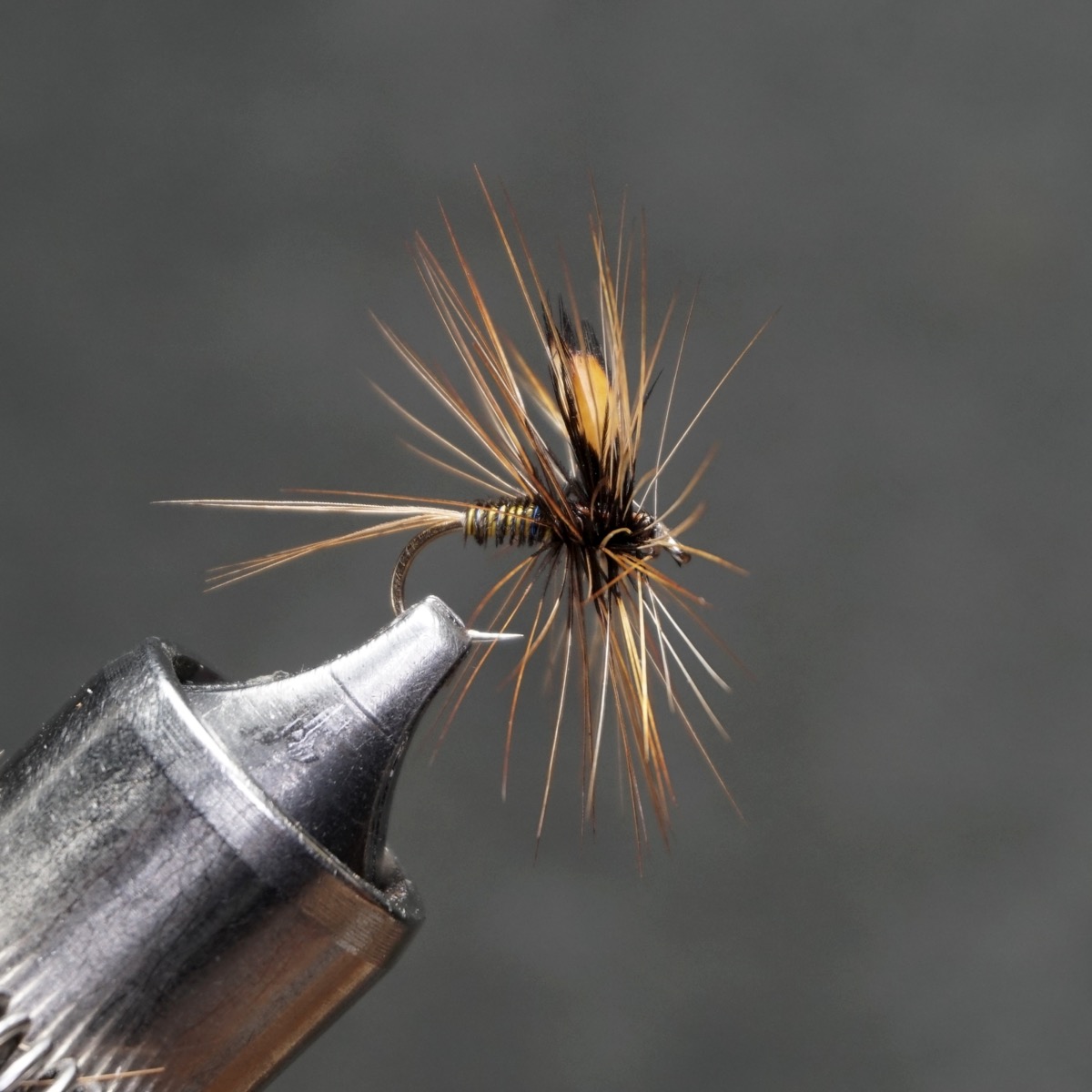
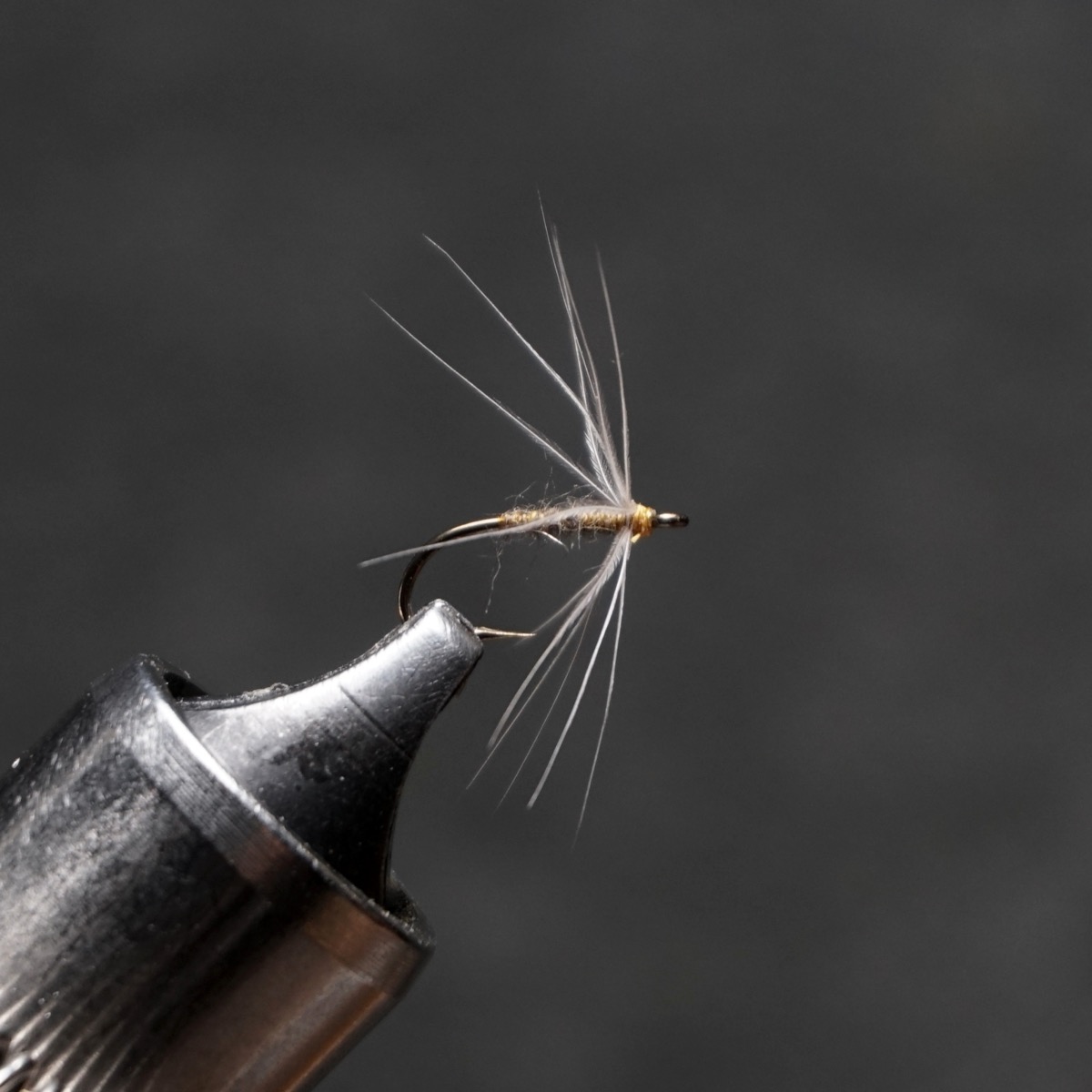
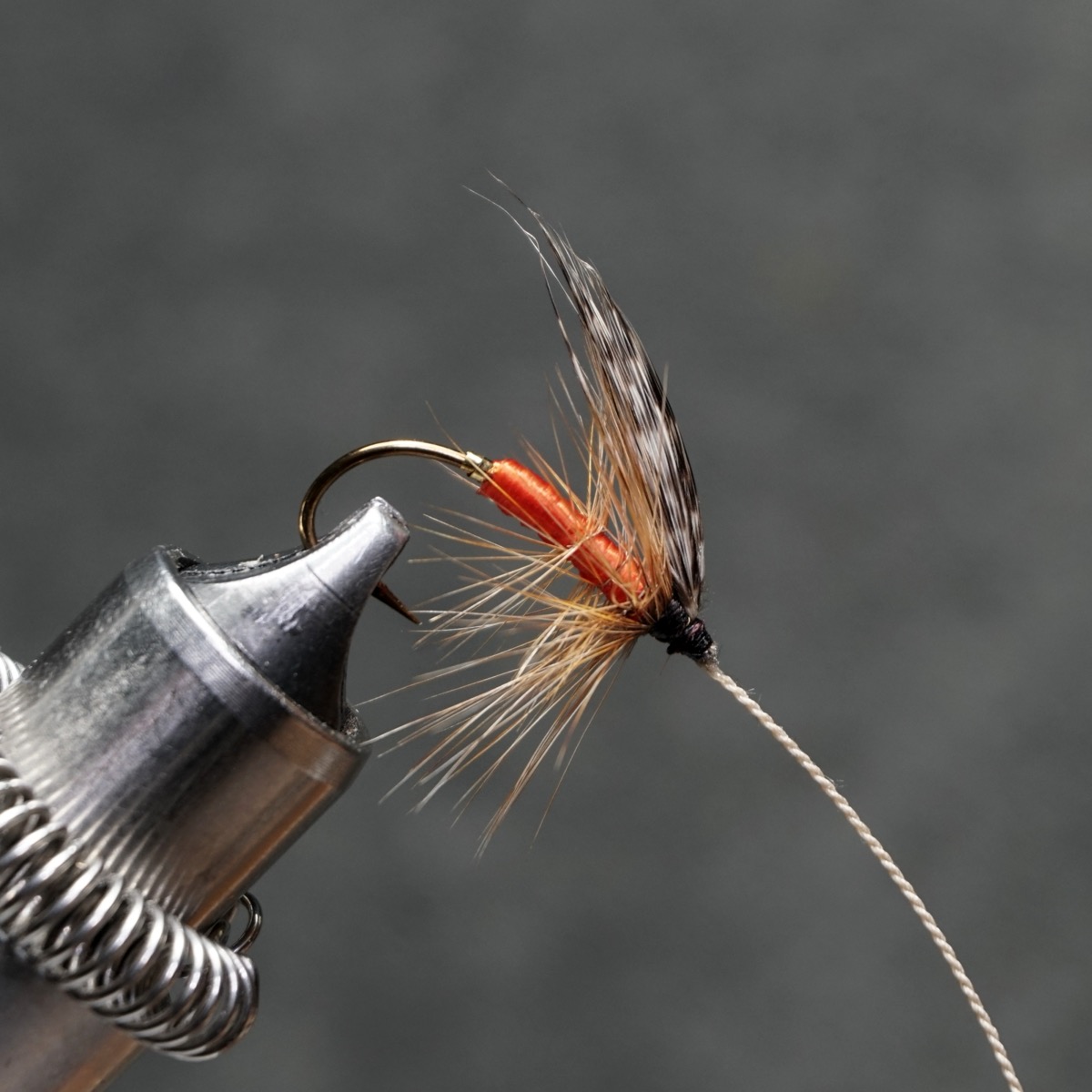
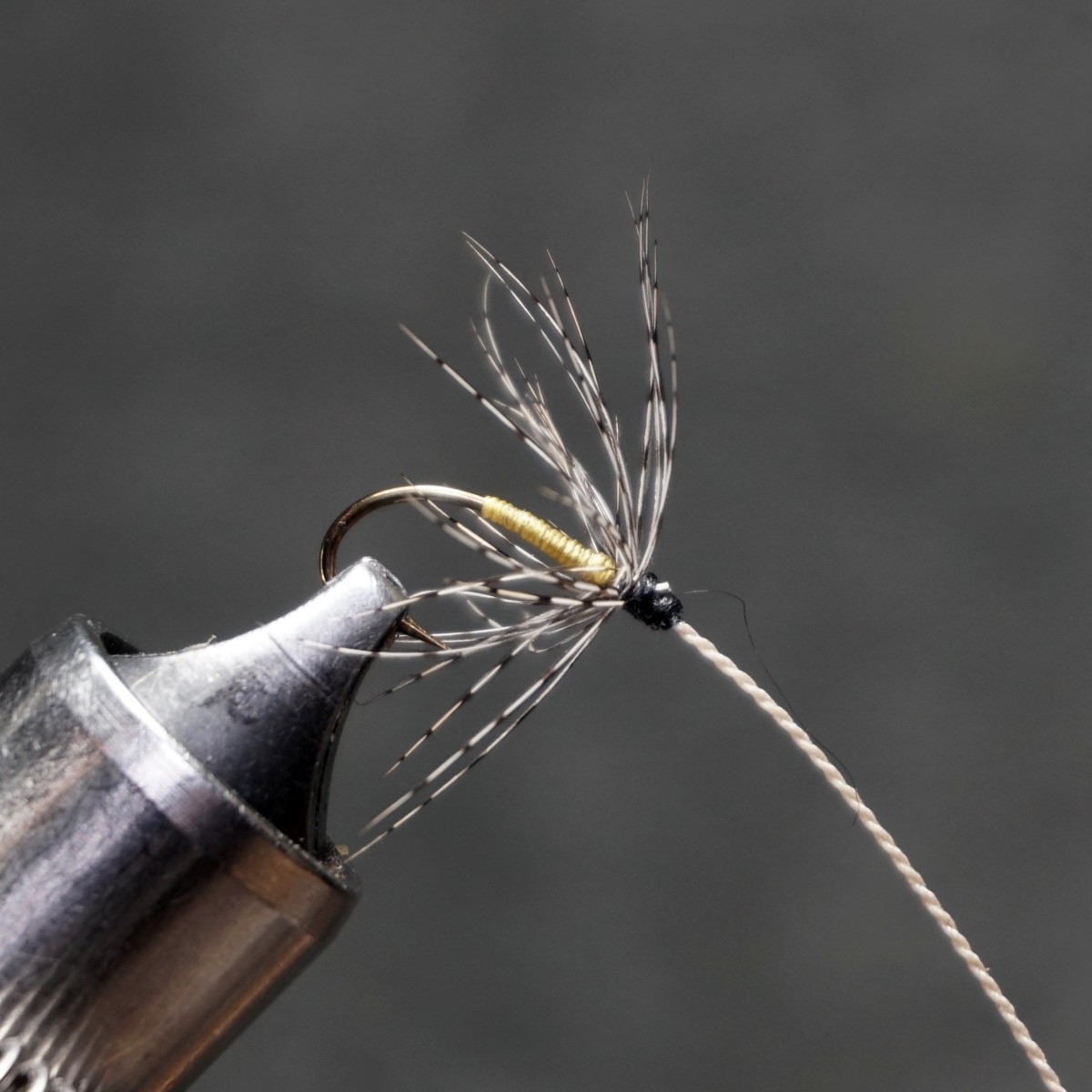
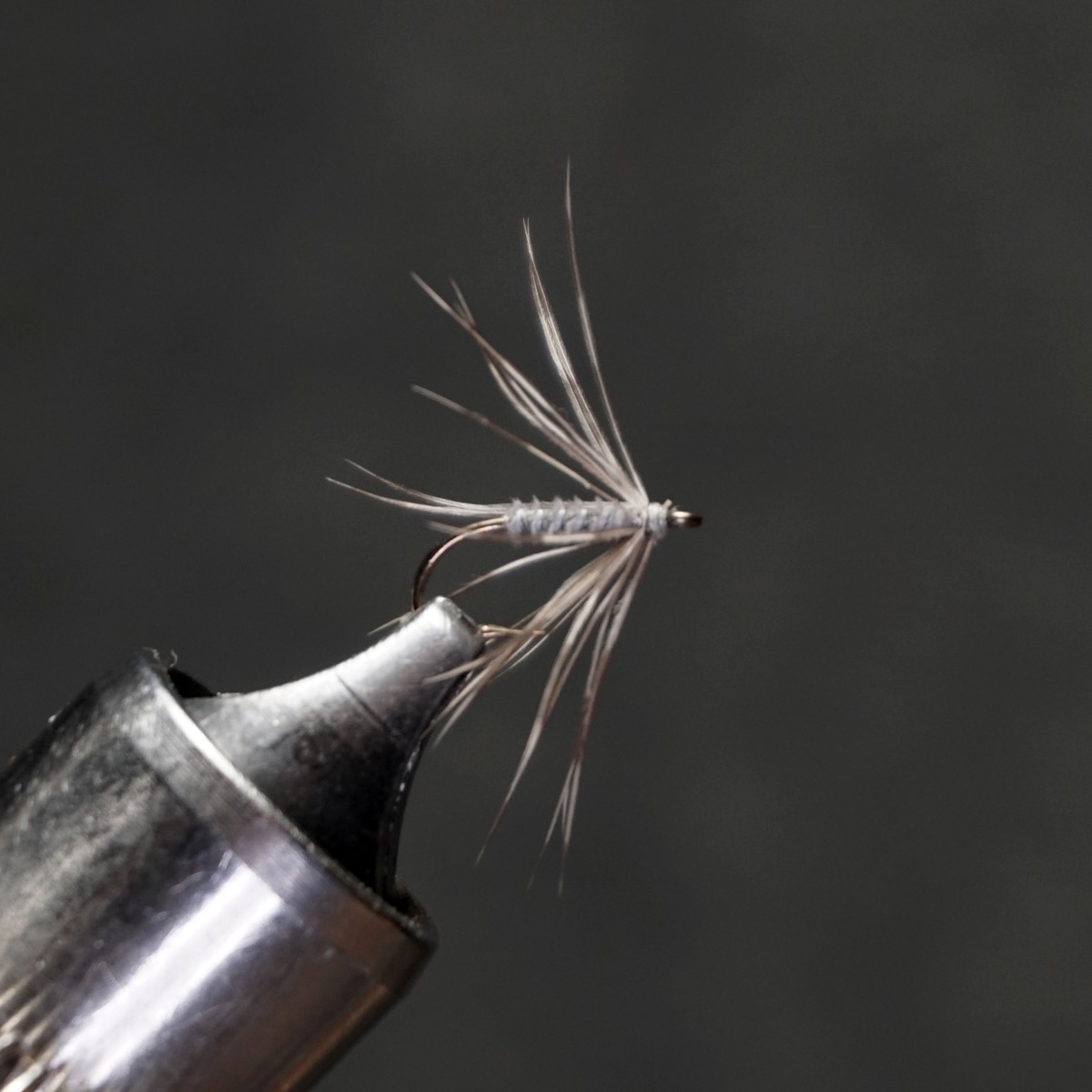
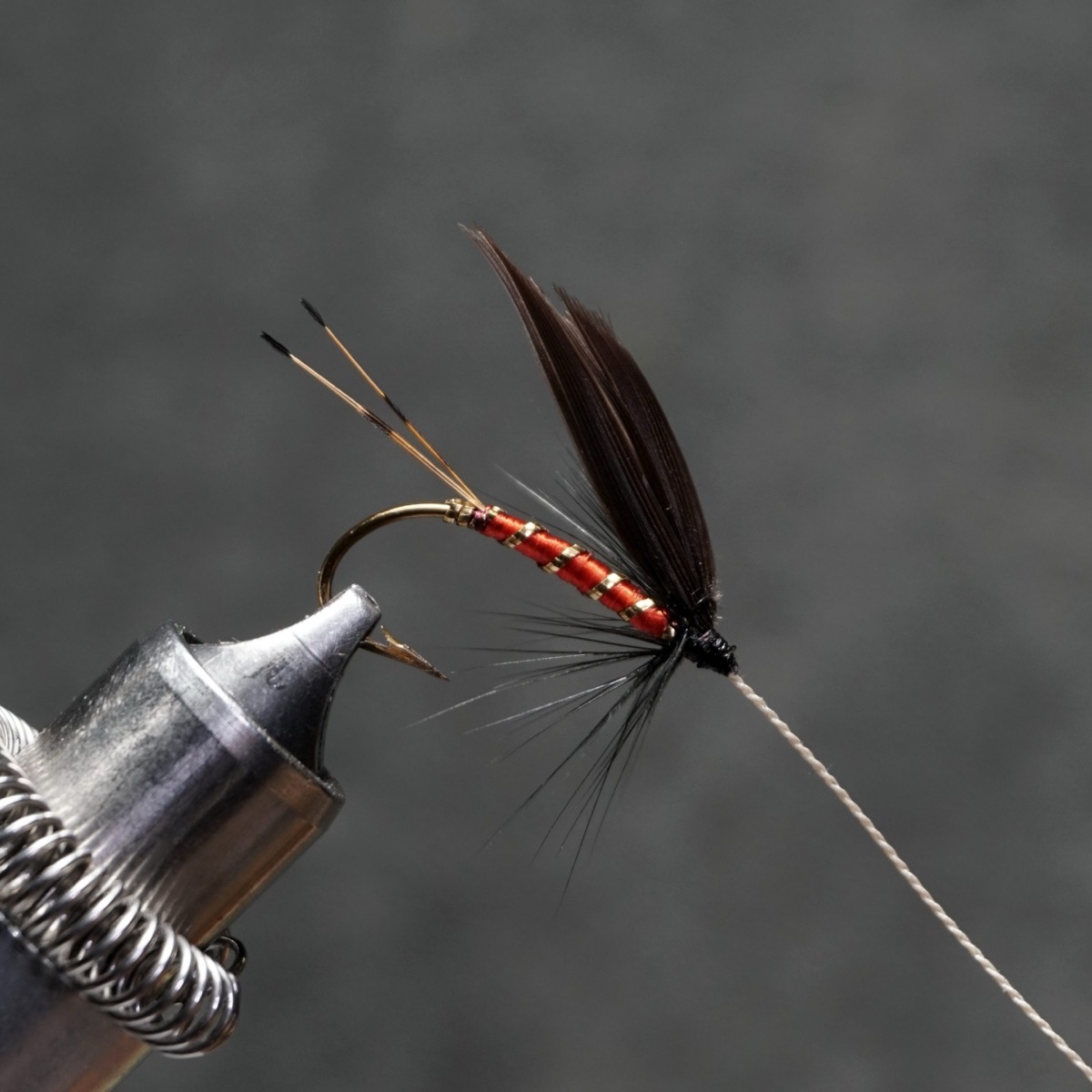
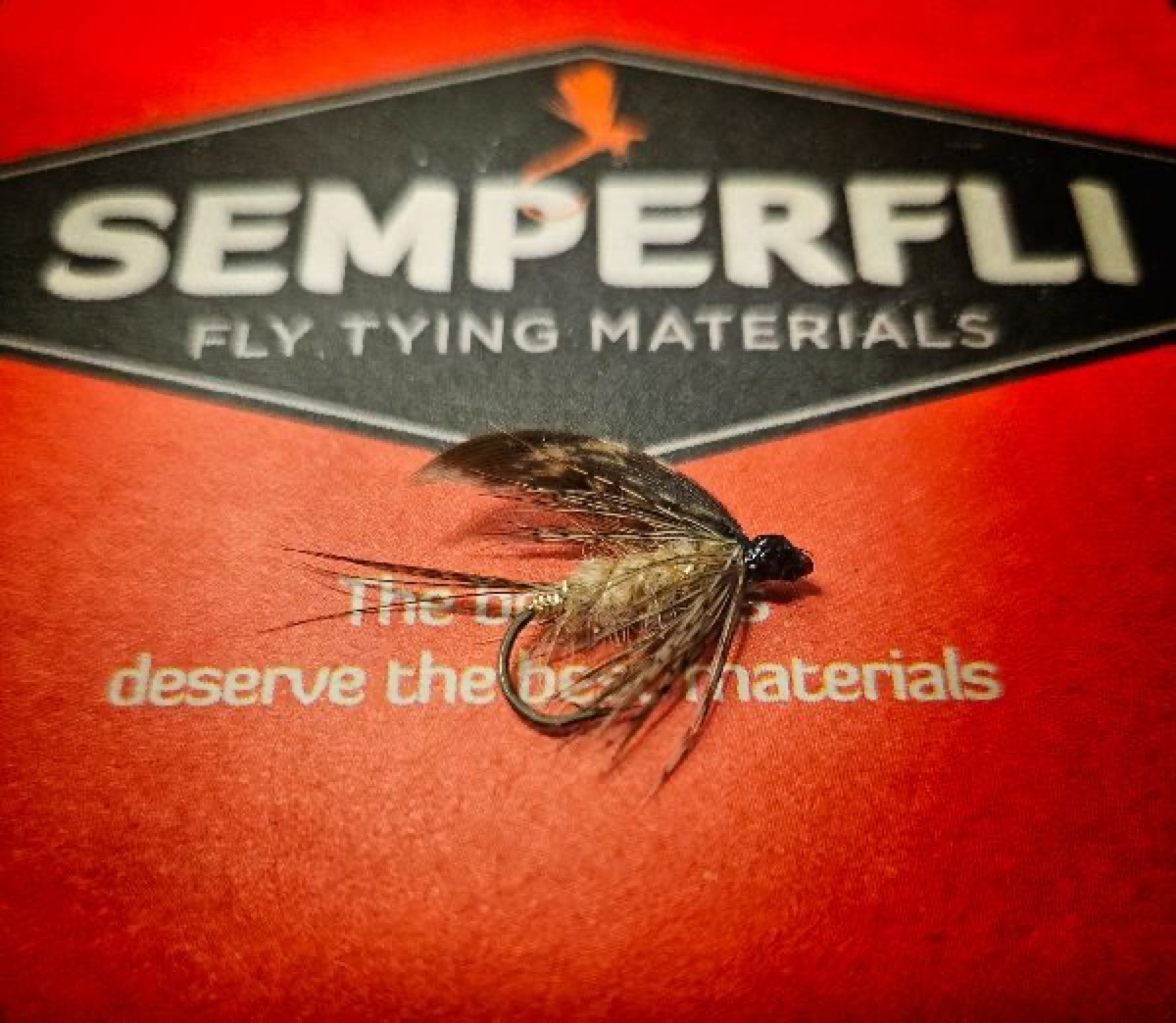
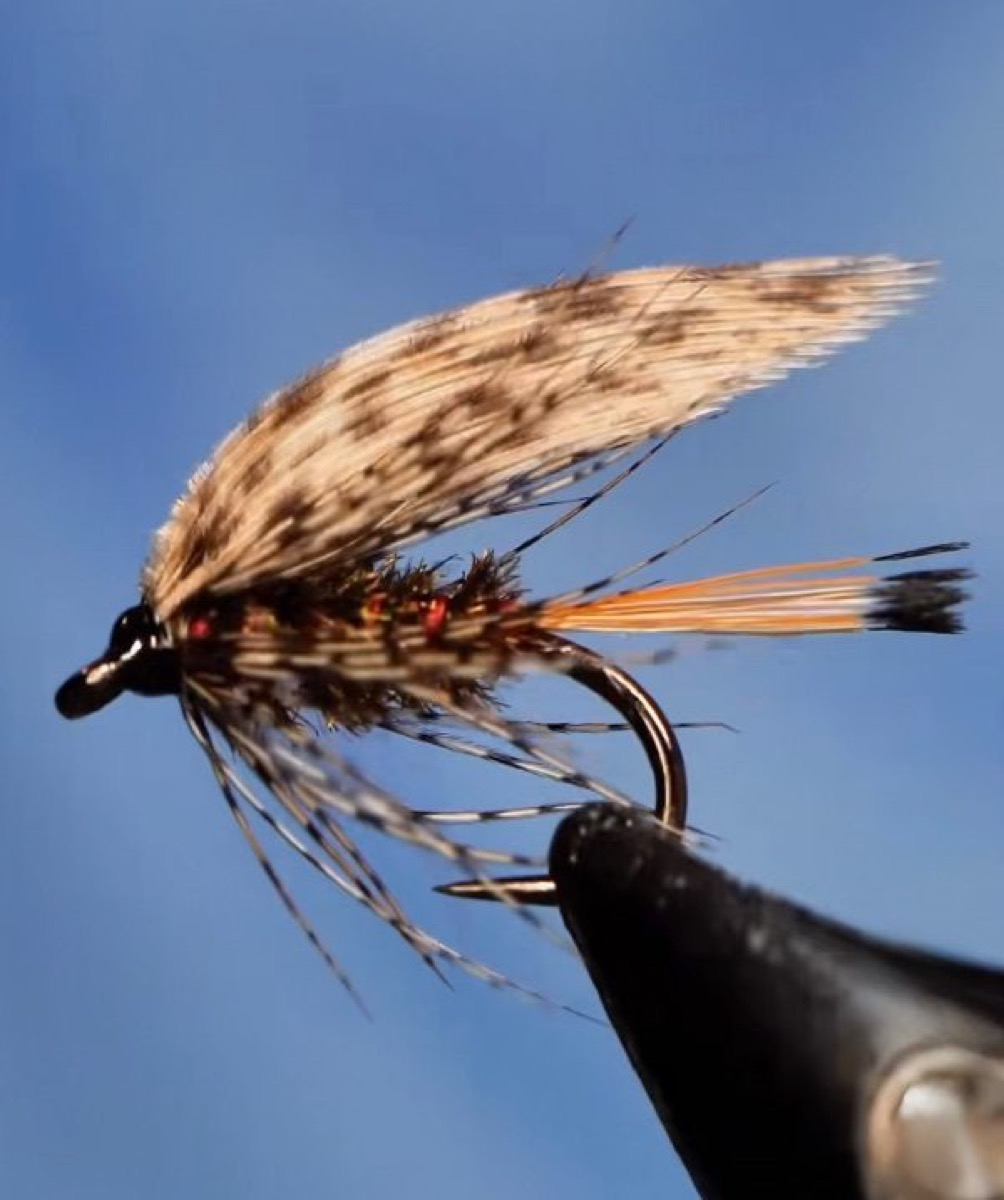
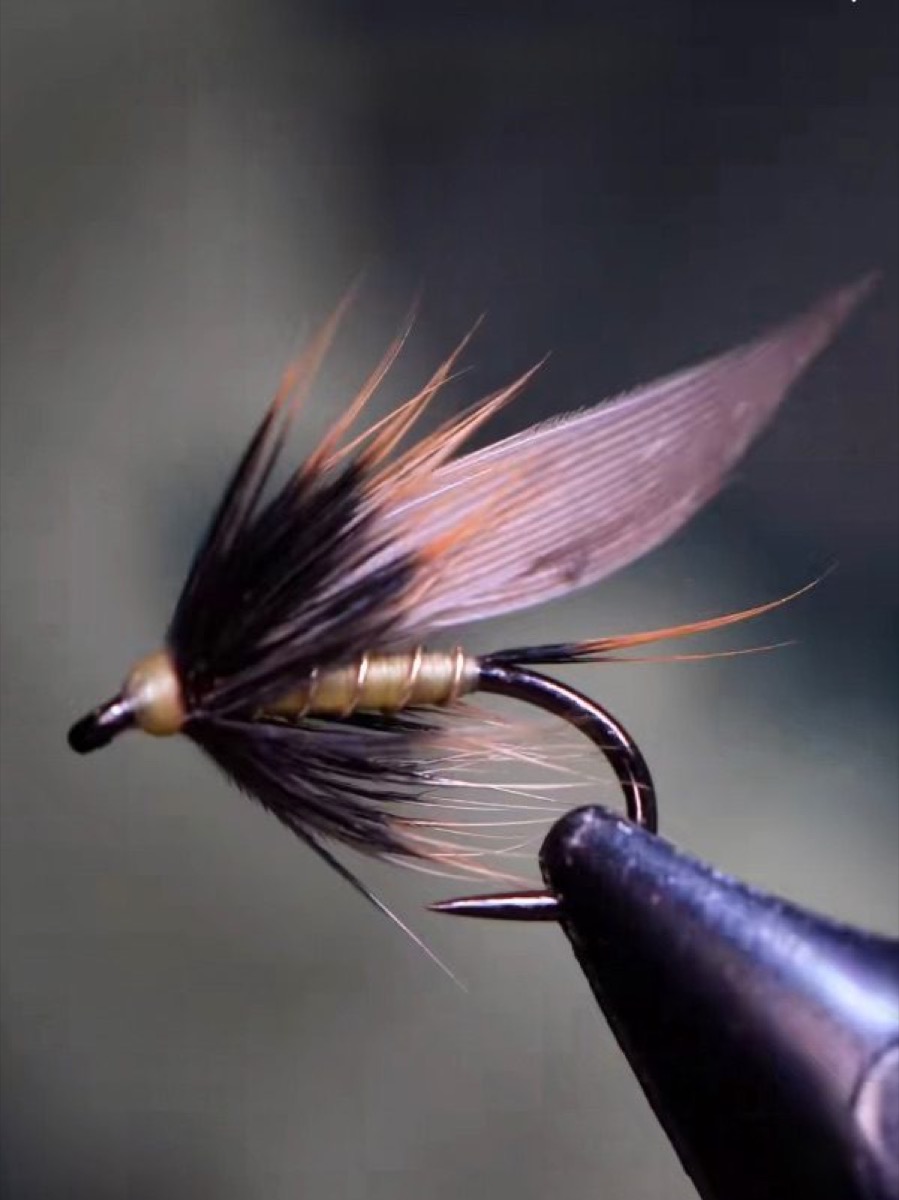
Olive Gnat
Tied by Christian Andrews
Olive Gnat recipe
| Hook | #10-16 |
|---|---|
| Thread | claret silk (or red if head is dark lacquered) |
| Tag | gold flat tinsel |
| Body | olive dubbing |
| Hackle | furnace - long soft rooster tied wet style |
| Abdomen | dark dun or olive quill slips |
About this fly
from the illustration in Favorite Flies and Their Histories (1892) by Mary Orvis Marbury “properly made on the smallest possible hook” here, wings from parrot feathers
What the Olive Gnat imitates
- Midge adult (adult)
Tied for: Trout (general)
Where the Olive Gnat came from
- Described by Charles F. Orvis (comp.), 1885. Earliest dated vault record of the name.Source: Orvis & Cheney, Fishing with the Fly (1885)
- Described by Mary Orvis Marbury, 1892. Tiny gnat/midge pattern named for its colour; less favoured than black, brown or grey gnats.Source: Marbury, Favorite Flies and Their Histories (1892), Plate S No.182
- Originated by unknown. One of the small coloured gnats named for body colour; no maker recorded.Source: Marbury, Favorite Flies and Their Histories (1892), Plate S No.182
Where sources tell it differently, each account is listed with its own source.
In the old books
Original dressing as pictured in Marbury, Favorite Flies and Their Histories (1892), Plate S, No. 182. The photo above is a later tie, not the original.
Inside the vault every material on this fly opens to its own card, and you can save the fly to your own boxes.