 FLY
FLY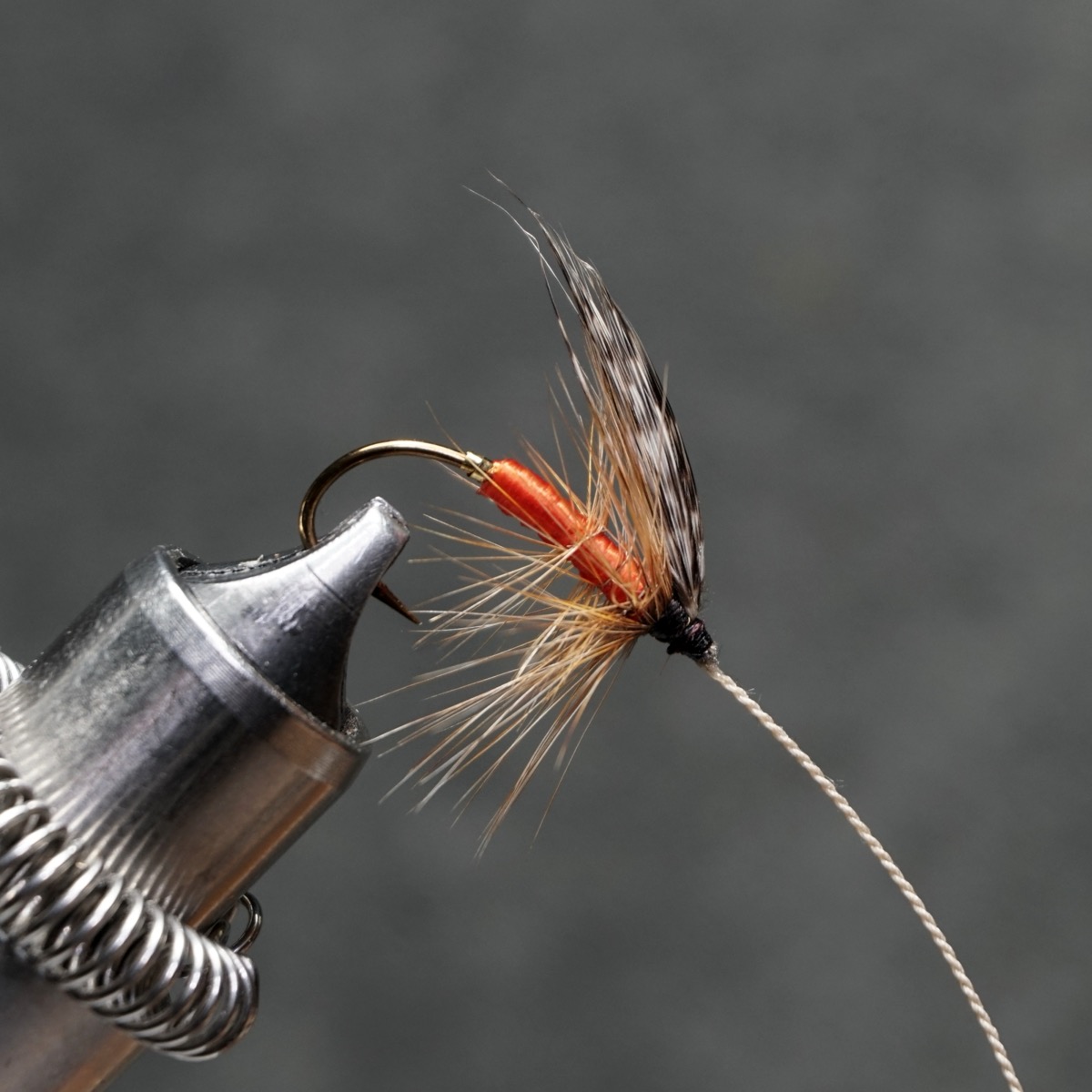
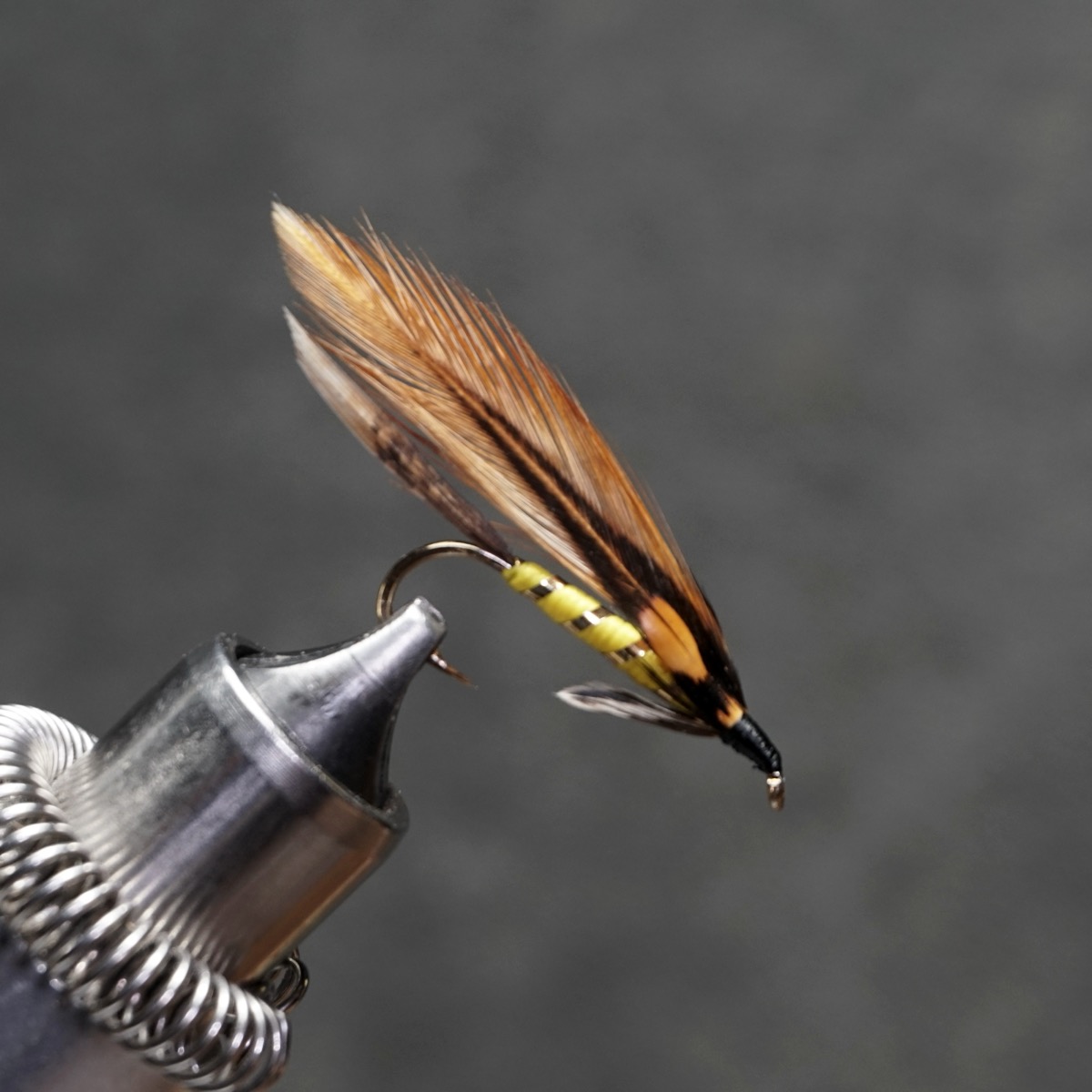
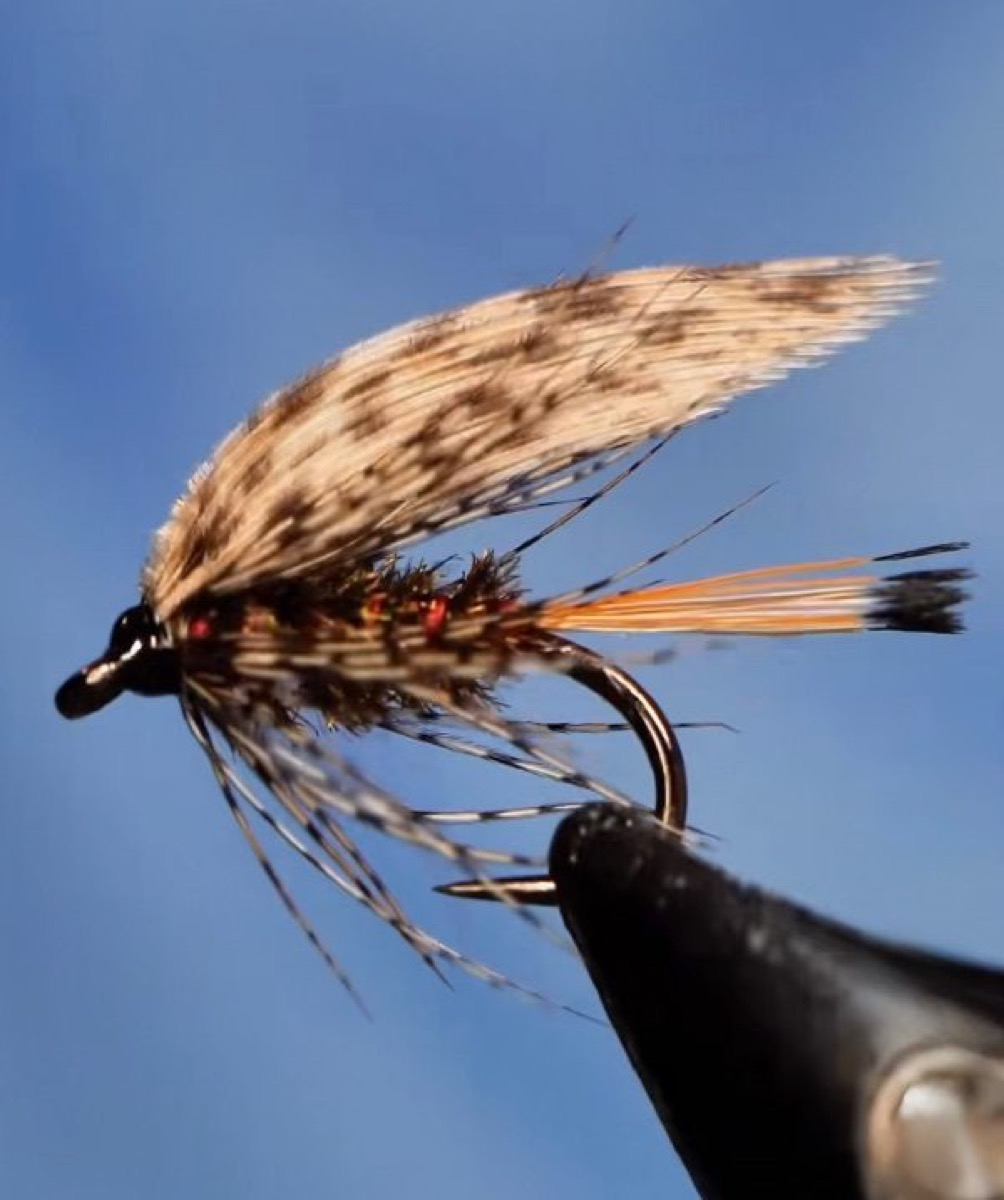
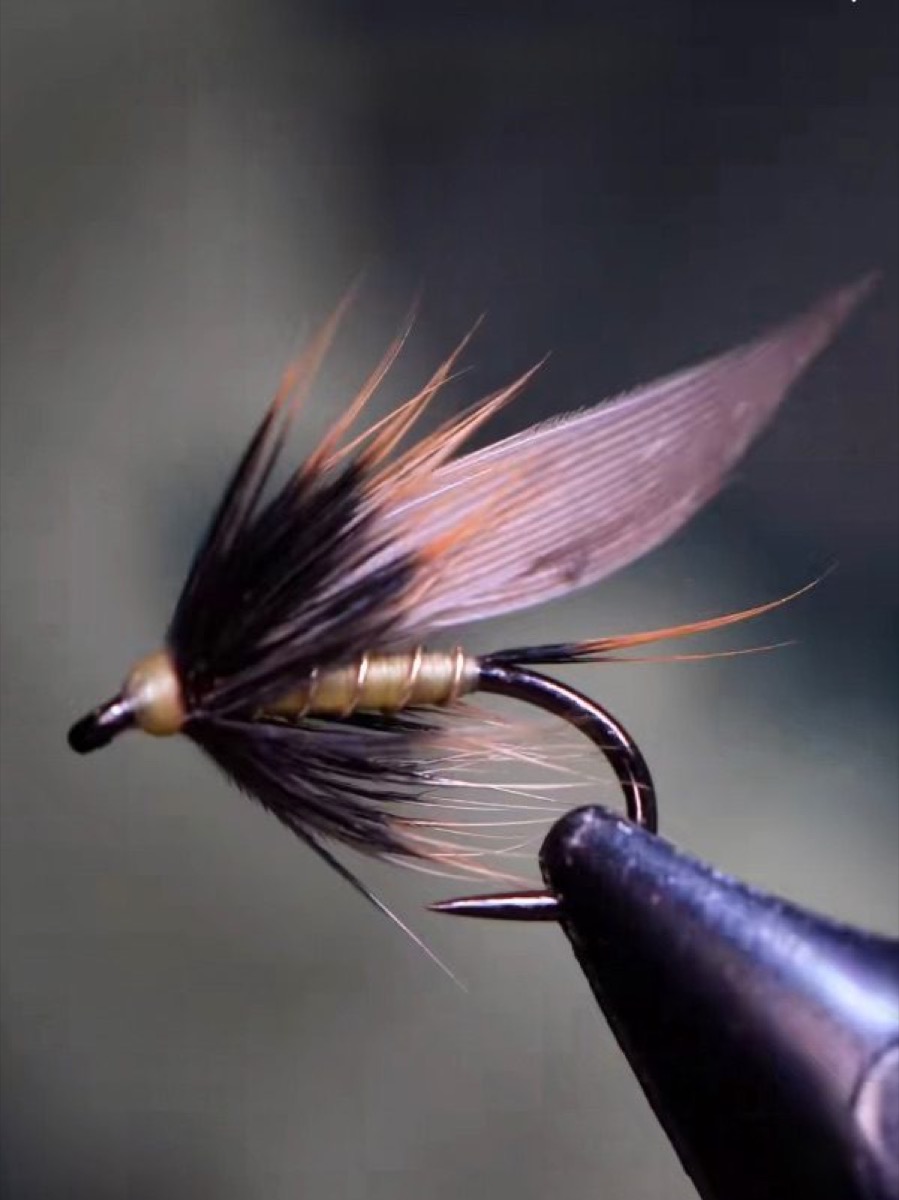
Classic Wet Fly
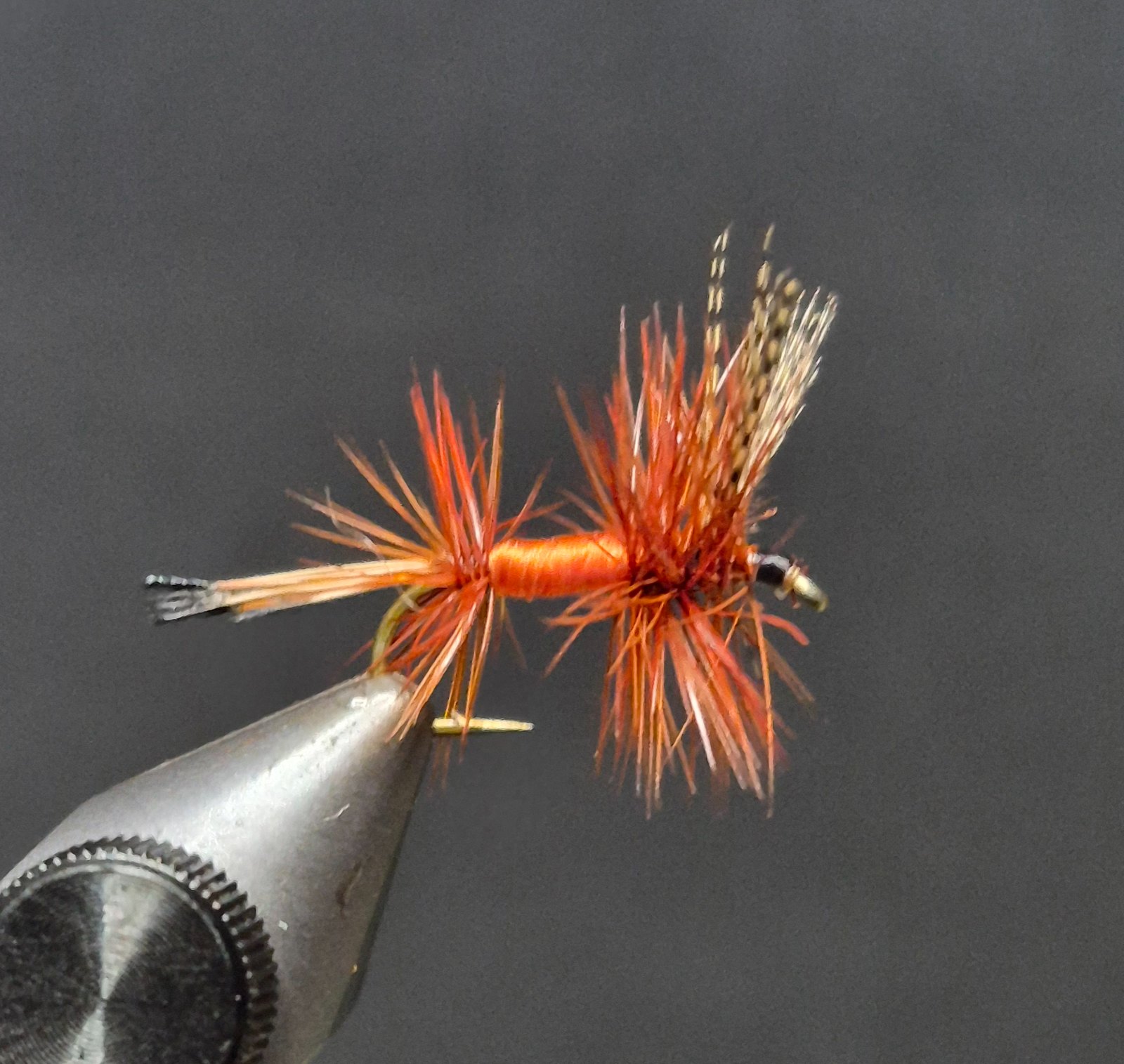
Orange Dun
Tied by Christian Andrews
Orange Dun recipe
| Hook | #6 sproat (blind and snelled) |
|---|---|
| Thread | claret silk (or red if head is dark lacquered) |
| Tag | gold tinsel |
| Body | red orange floss |
| Body Hackle | thorax only, undersized ginger |
| Hackle | ginger, long flexible rooster tied wet style |
| Wings | light mottled quill slips |
About this fly
Orange Dun: a classic trout fly from Favorite Flies and Their Histories (1892) by Mary Orvis Marbury
What the Orange Dun imitates
- Mayfly dun (adult dry) (dun)
Where the Orange Dun came from
- Described by John Turton, 1836. Earliest vault listing of an Orange Dun.Source: Turton, The Angler's Manual (1836), List 1 No.18
- Described by Mary Orvis Marbury, 1892. Says Ronalds described and pictured it and it has long been a standard pattern.Source: Marbury, Favorite Flies and Their Histories (1892), Plate S No.183
- Described by Alfred Ronalds. Later Ronalds edition describes it as a Dove and Derbyshire favourite, dark orange silk body, dark dun hackle.Source: Ronalds, The Fly-Fisher's Entomology (9th ed. 1883), No.29 Flies for June
- Originated by unknown, England. Traditional; creator unknown. Earliest vault record is Turton's 1836 list.Source: Turton, The Angler's Manual (1836), List 1 No.18
Where sources tell it differently, each account is listed with its own source.
In the old books
Original dressing as pictured in Marbury, Favorite Flies and Their Histories (1892), Plate S, No. 183. The photo above is a later tie, not the original.
Inside the vault every material on this fly opens to its own card, and you can save the fly to your own boxes.