 FLY
FLY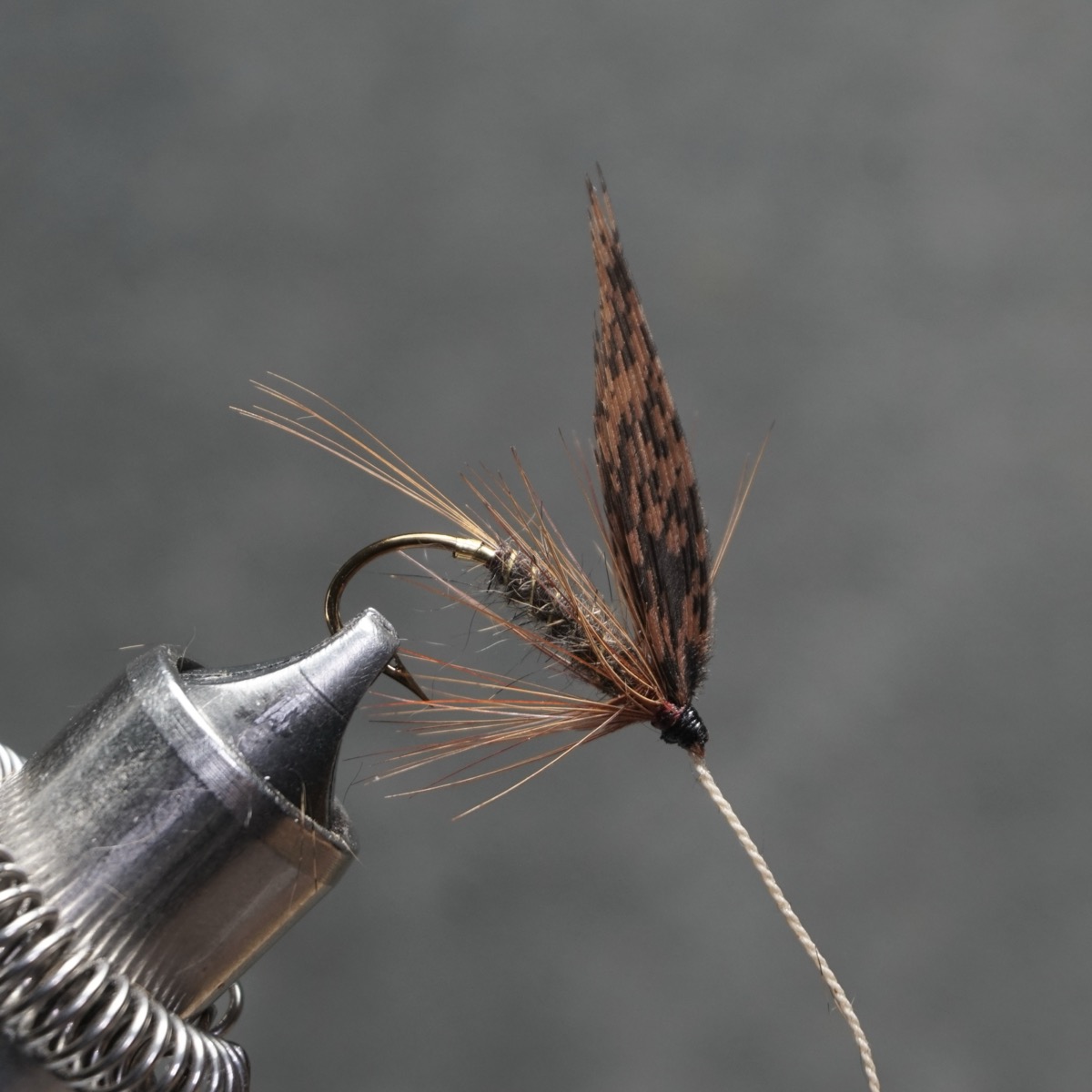
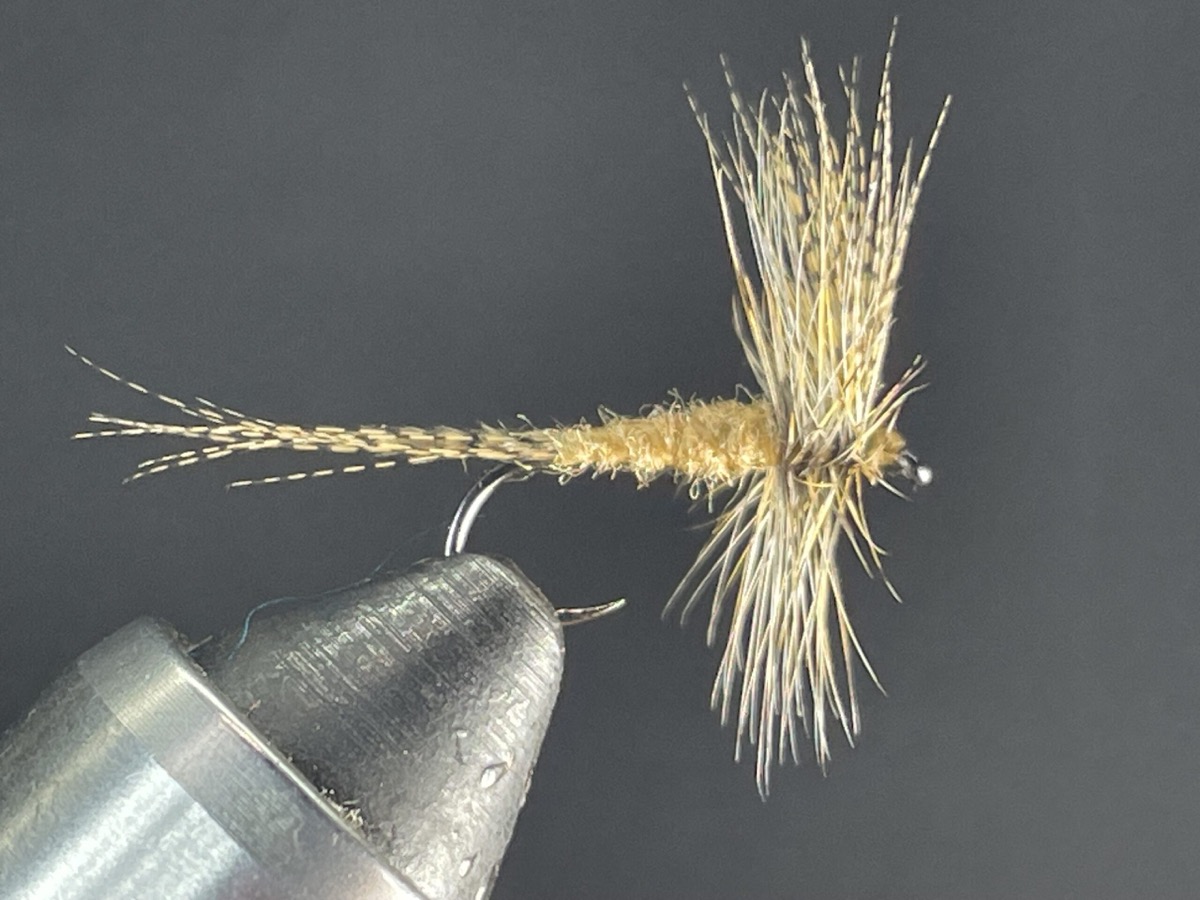
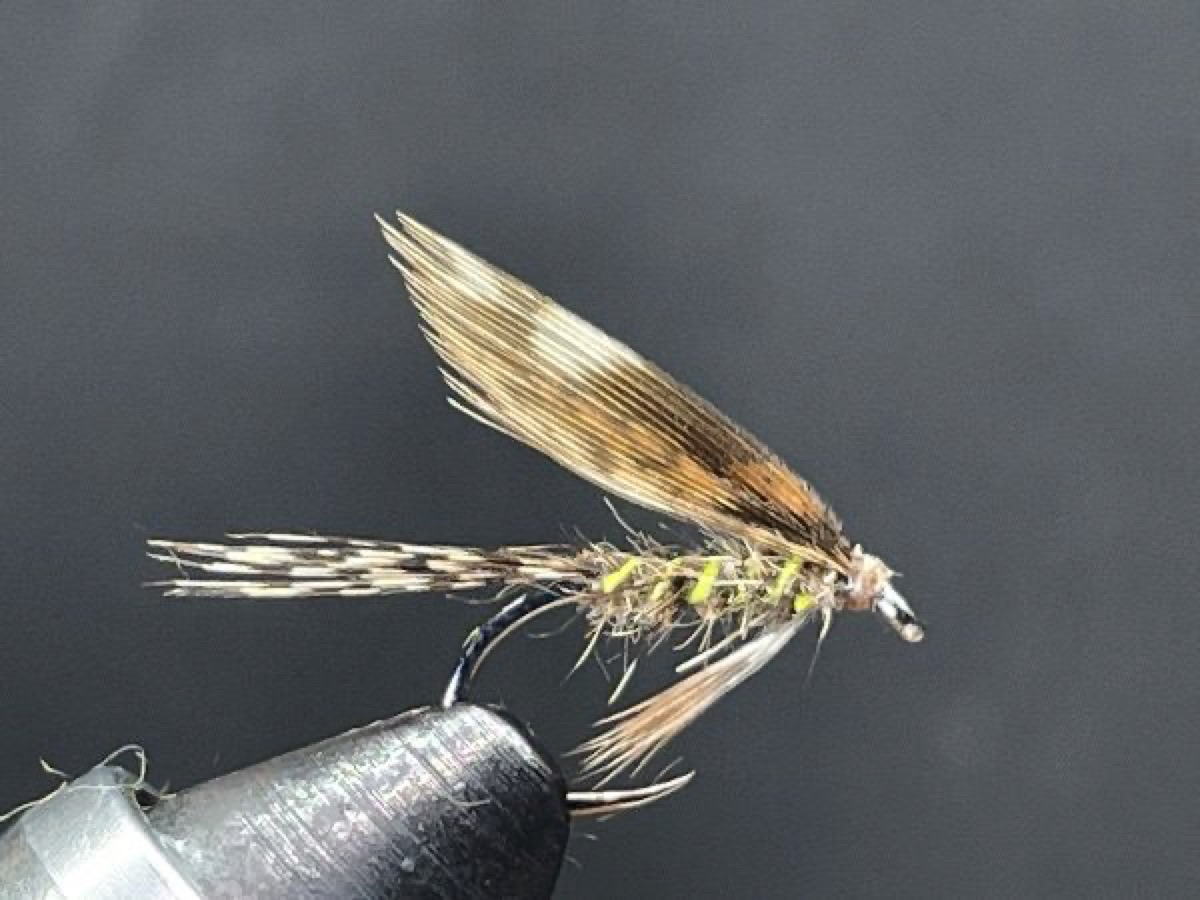
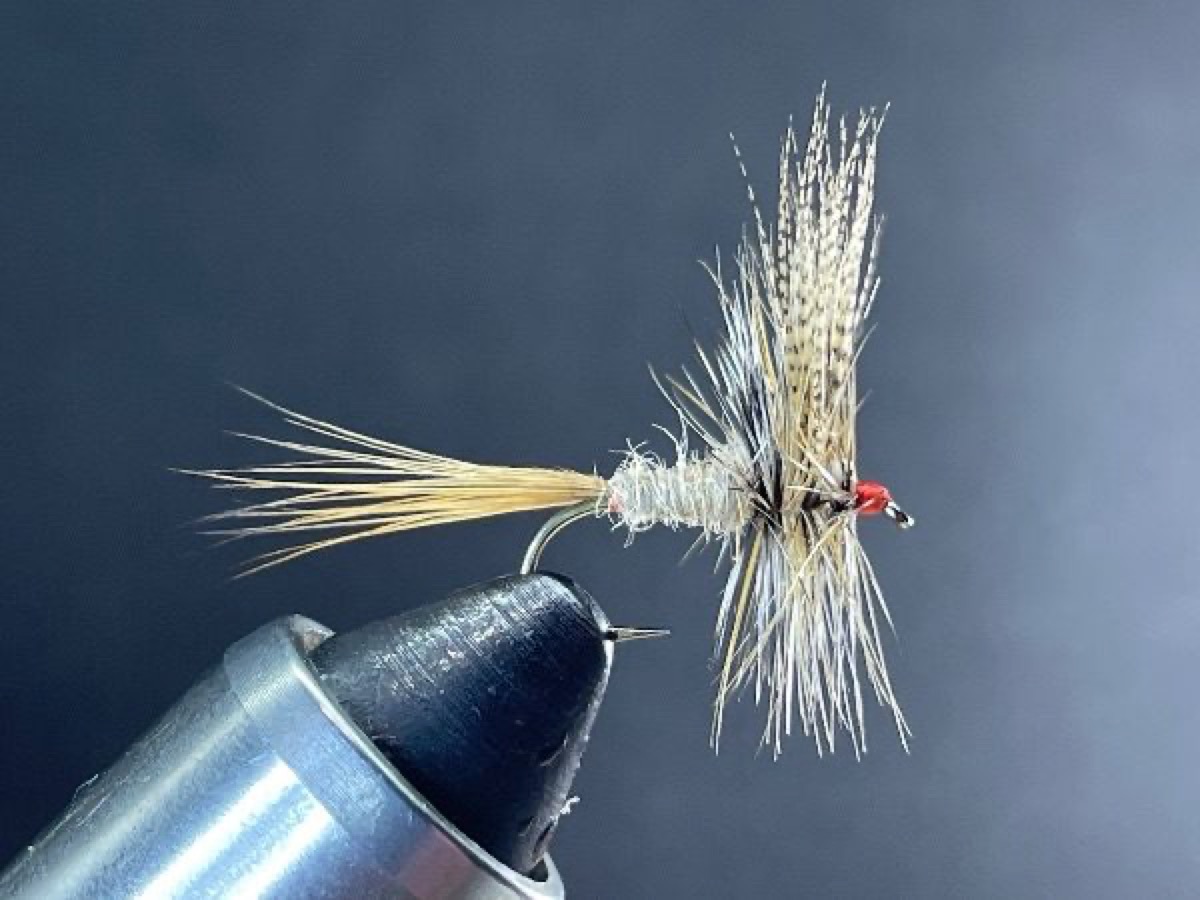
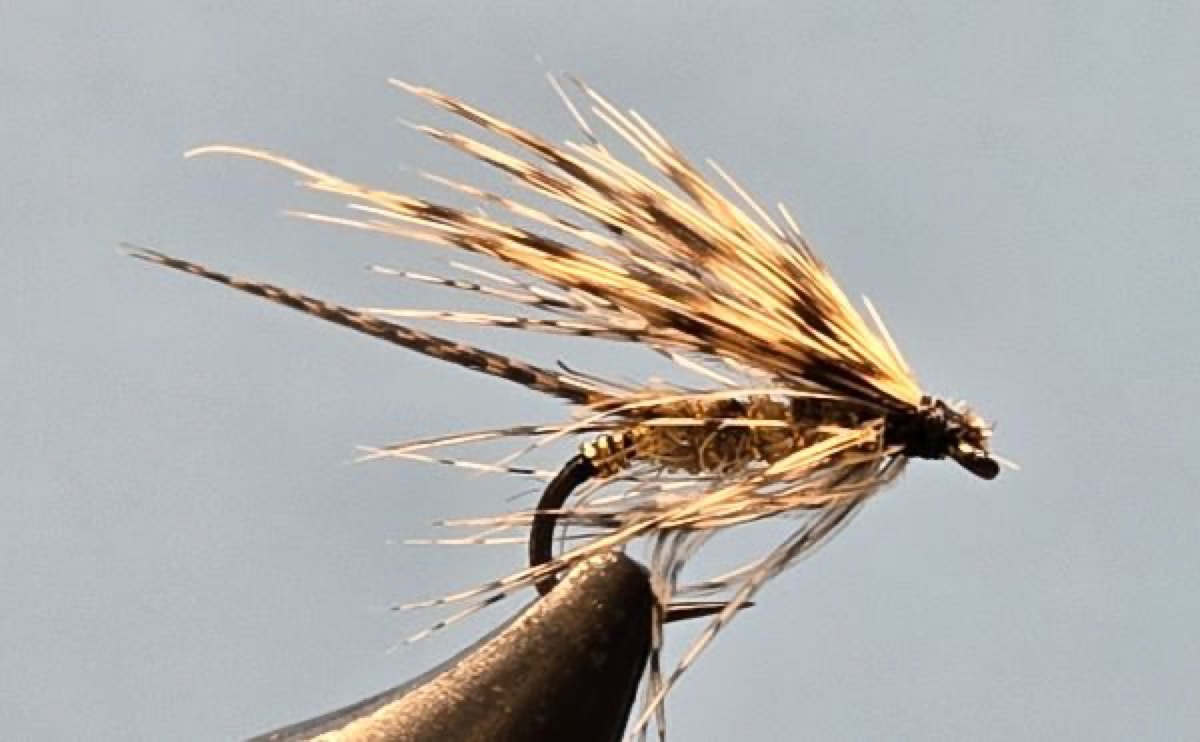
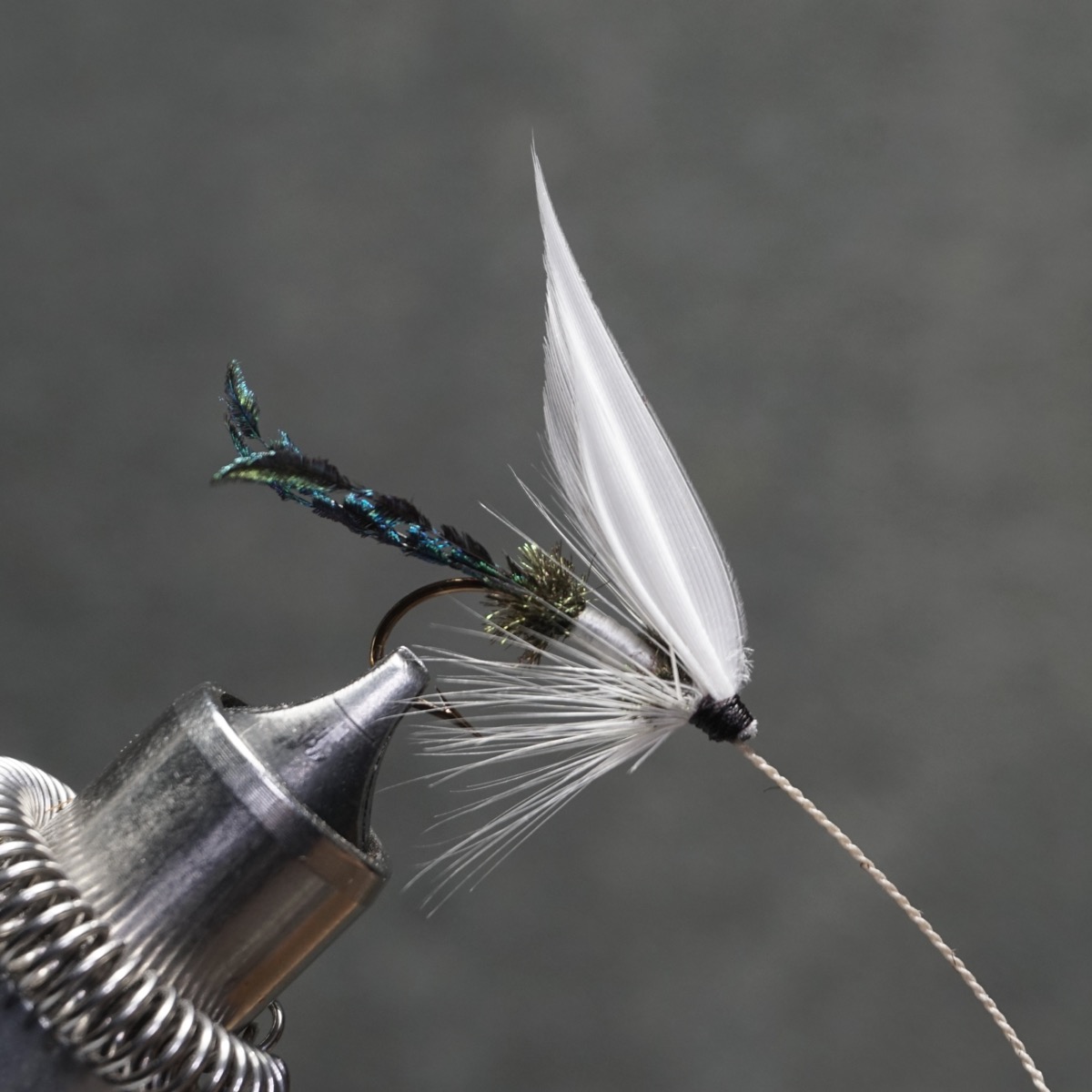
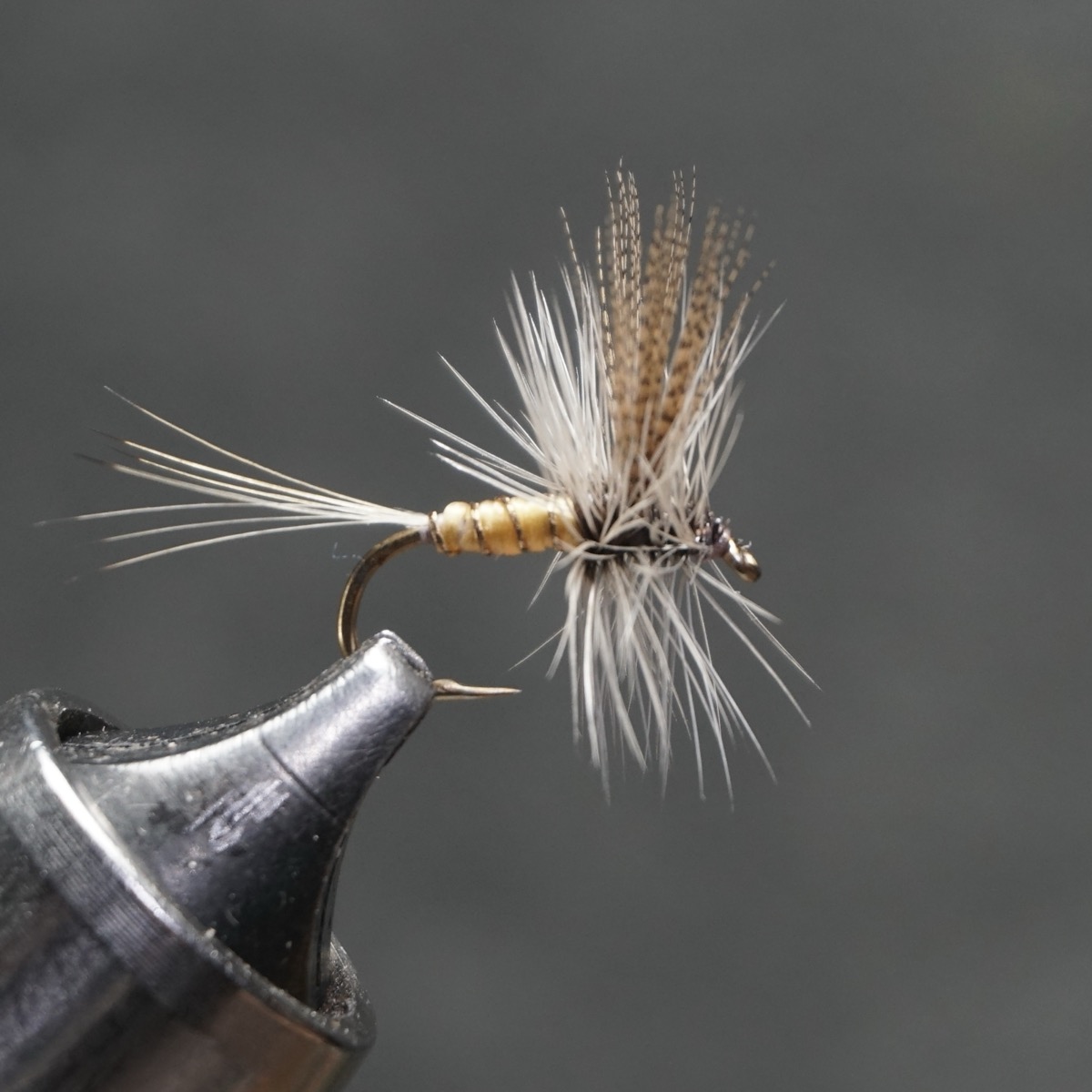
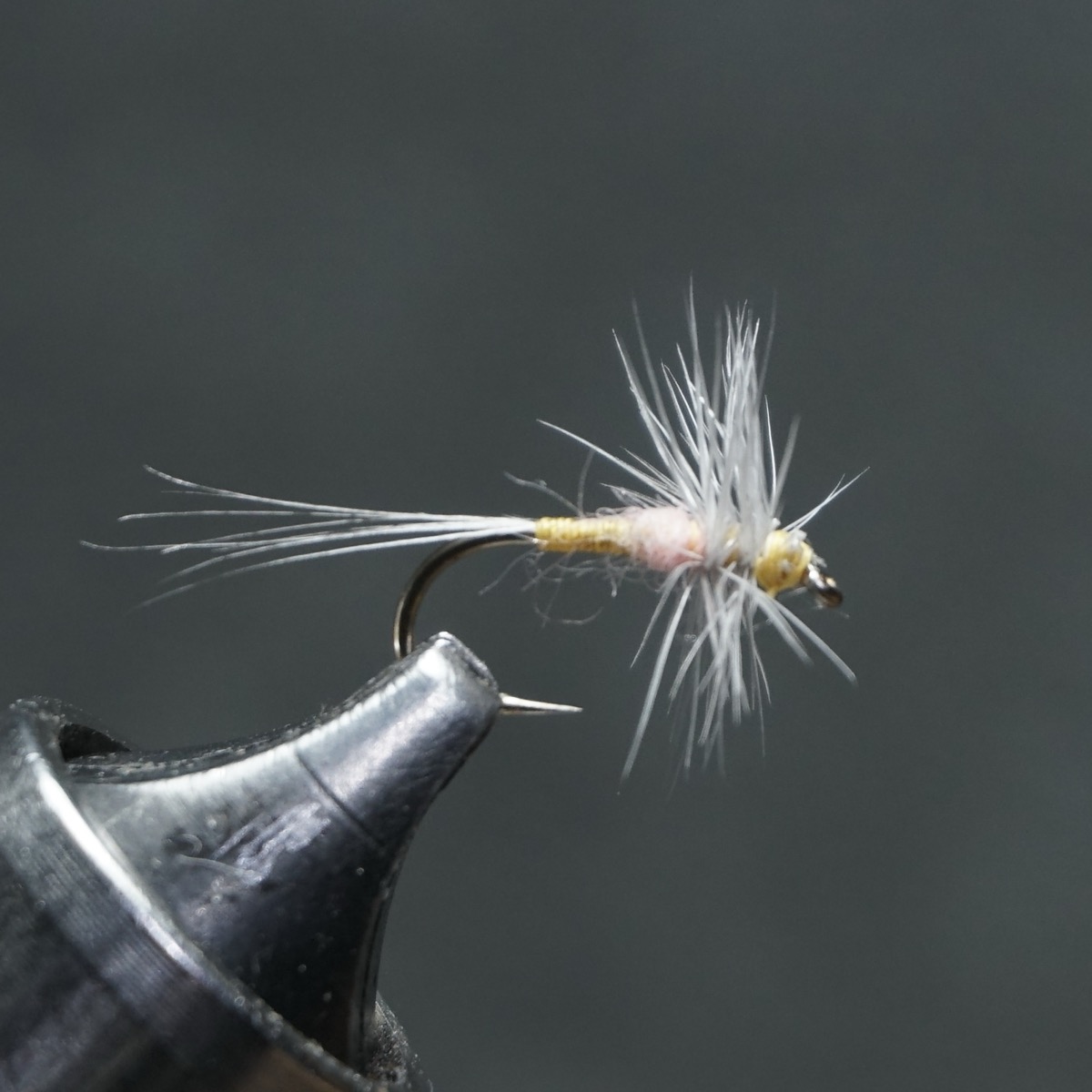
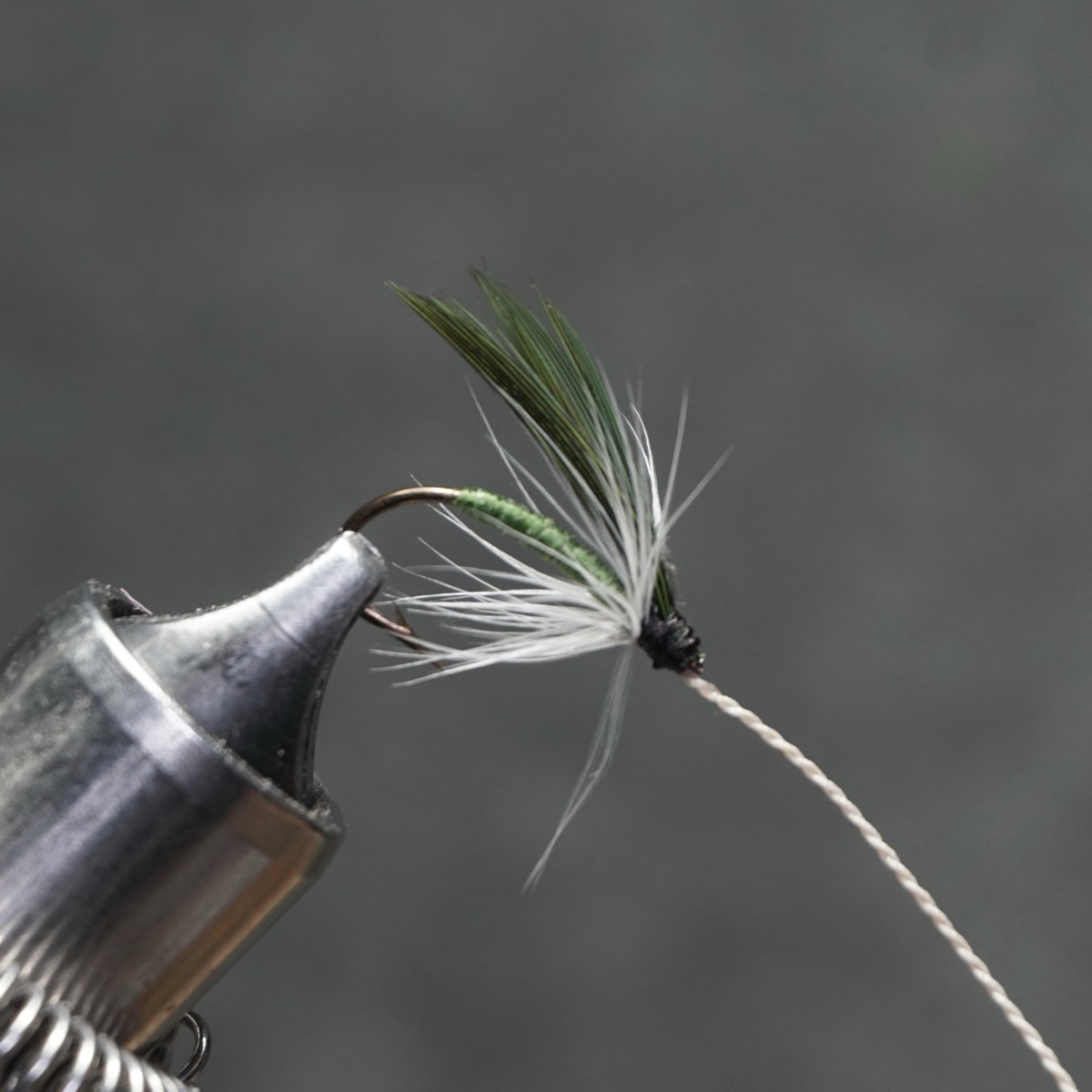
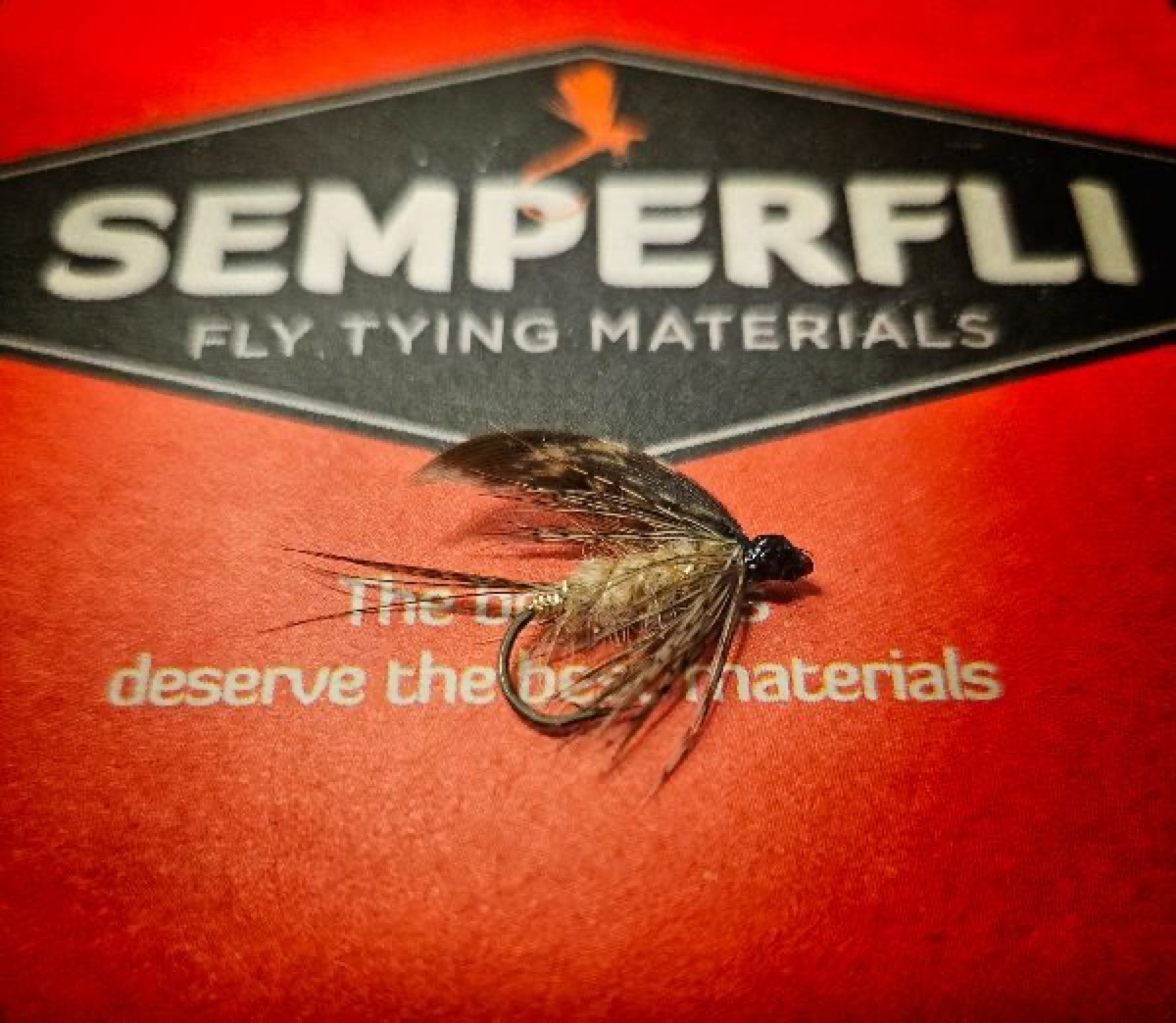
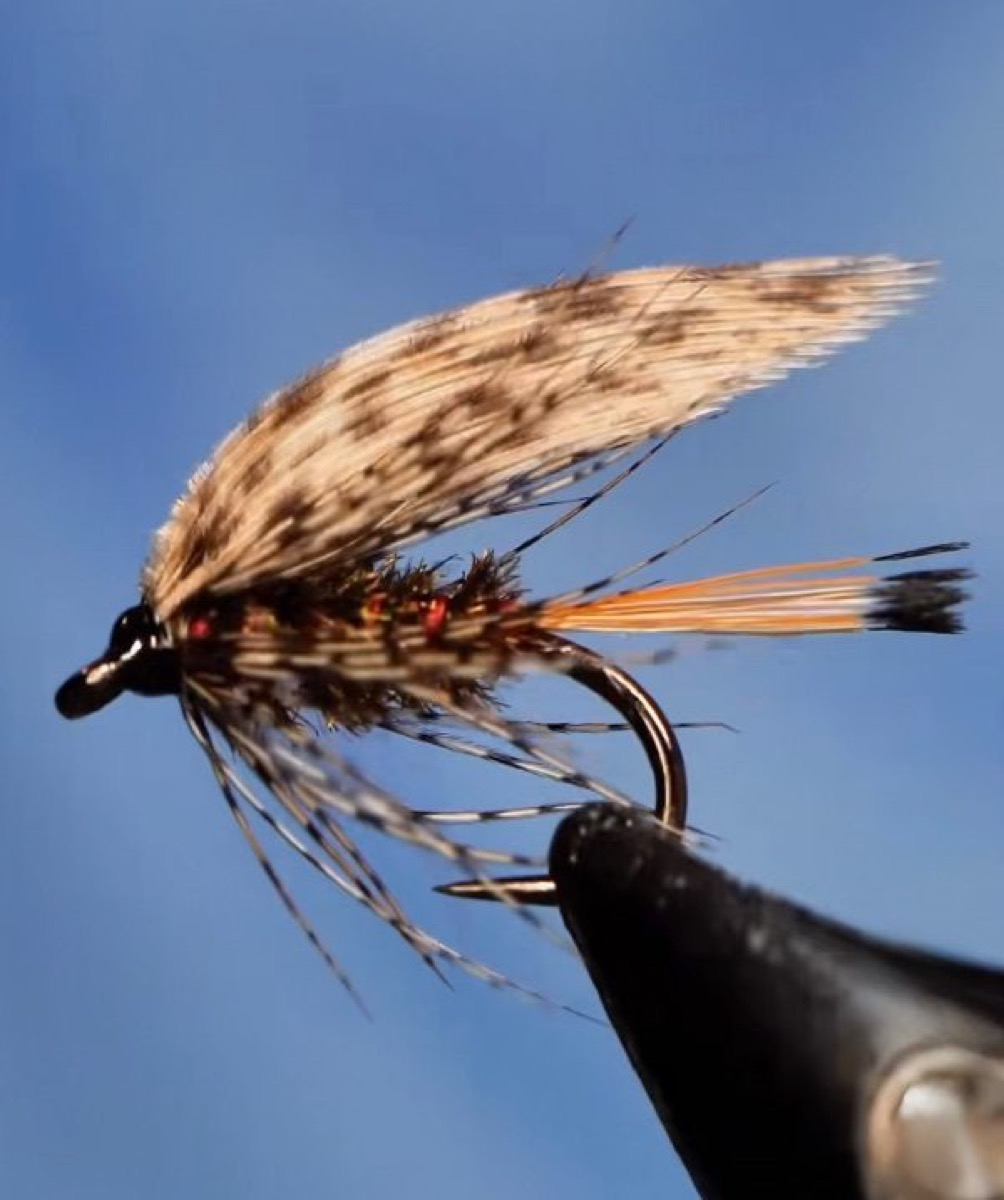
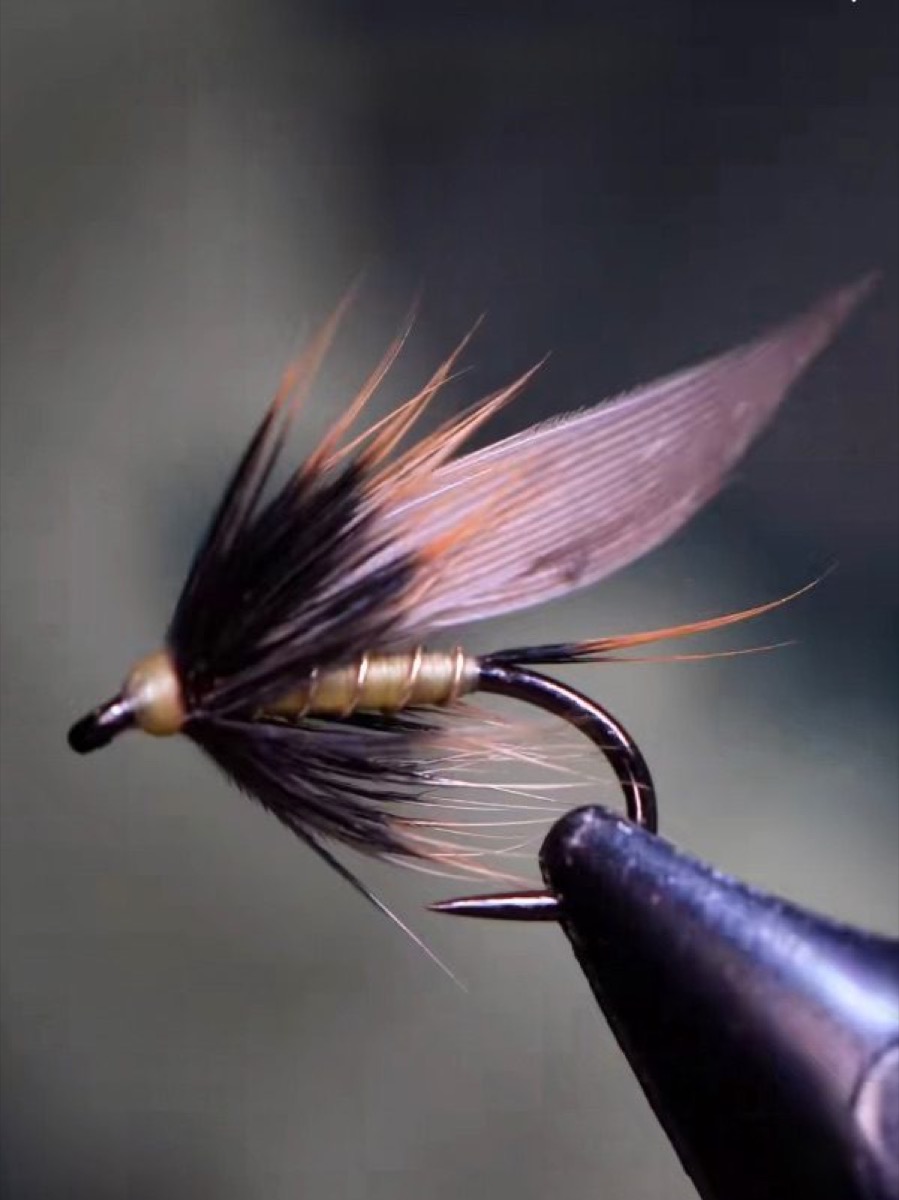
Classic Wet Fly
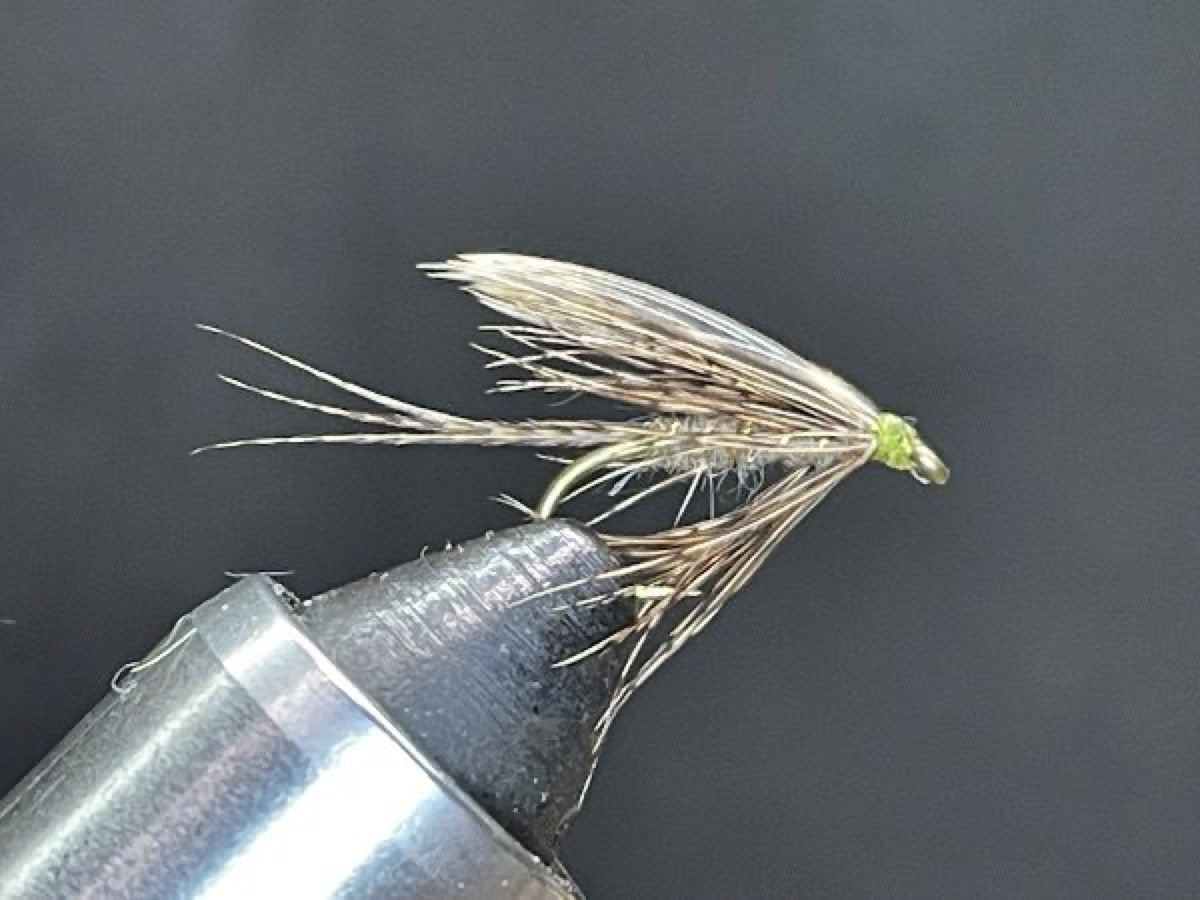
March Brown
Tied by Christian Andrews
March Brown recipe
| Hook | #6 sproat (blind and snelled) |
|---|---|
| Thread | claret silk (or red with head dark lacquered) |
| Tag | flat gold tinsel |
| Tail | brown hackle barbs |
| Rib | yellow floss |
| Body | dark brown or dark olive dubbing |
| Hackle | reddish brown long soft rooster hackle |
| Wing | wild turkey tail slips |
About this fly
from Favorite Flies and Their Histories (1892) by Mary Orvis Marbury also called Cob fly, Great Brown, and Dun Drake
What the March Brown imitates
- Mayfly spinner (spinner)
Where the March Brown came from
- Described by Alfred Ronalds, 1836. Natural figured with dressing.Source: Ronalds, The Fly-Fisher's Entomology (2nd ed. 1839; orig. 1836), No.8 Flies for March, p.58
- Described by Francis Francis, 1867. Records regional names: Cob Fly in Wales, Brown Drake in Yorkshire.Source: Francis, A Book on Angling (1867), p.146
- Originated by unknown, England/Wales. Traditional imitation of Rhithrogena germanica; no maker recorded.Source: Ronalds, The Fly-Fisher's Entomology (2nd ed. 1839; orig. 1836), No.8 Flies for March, p.58
Where sources tell it differently, each account is listed with its own source.
In the old books
Original dressing as pictured in Marbury, Favorite Flies and Their Histories (1892), Plate S, No. 174. The photo above is a later tie, not the original.
Inside the vault every material on this fly opens to its own card, and you can save the fly to your own boxes.