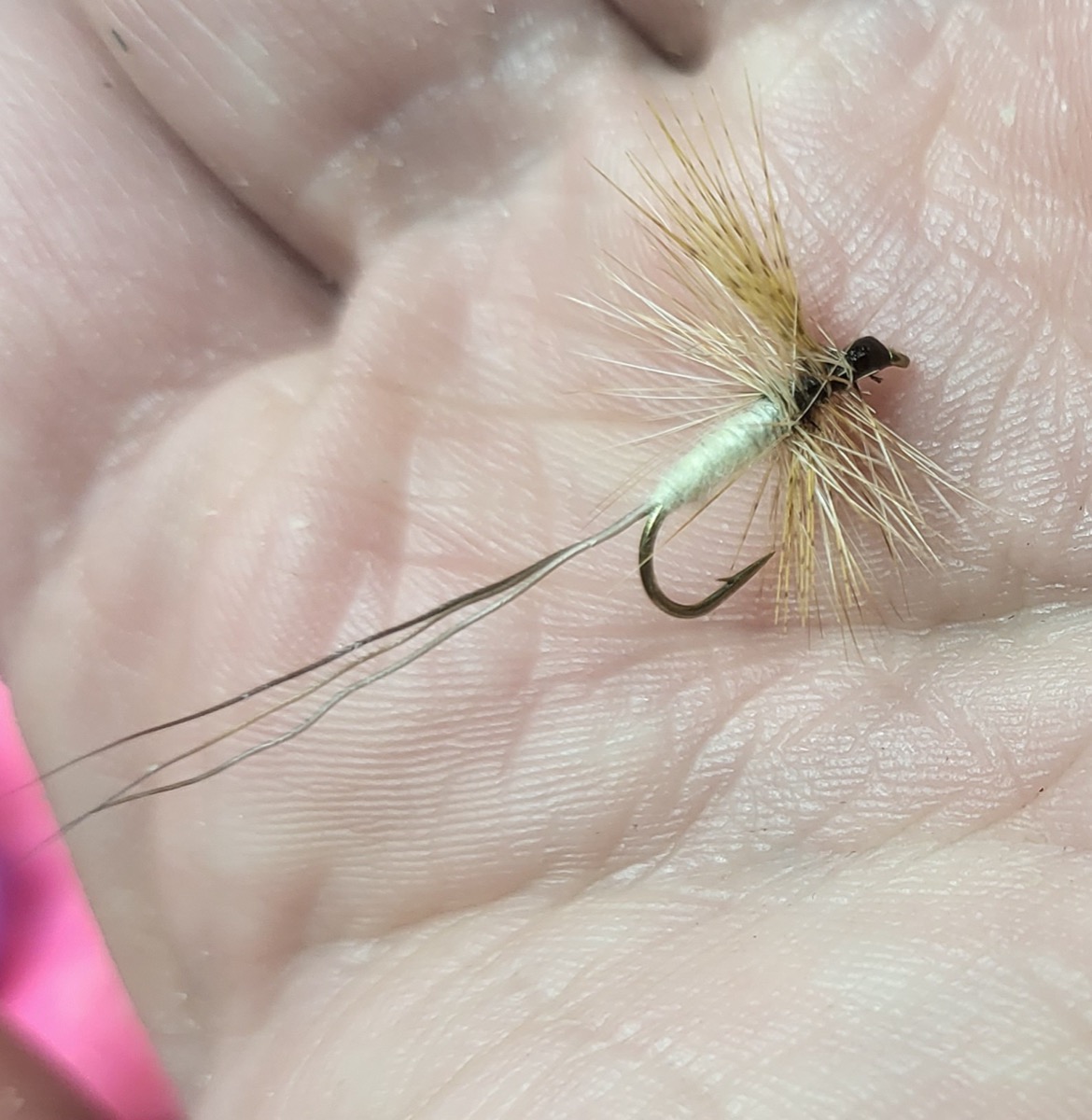
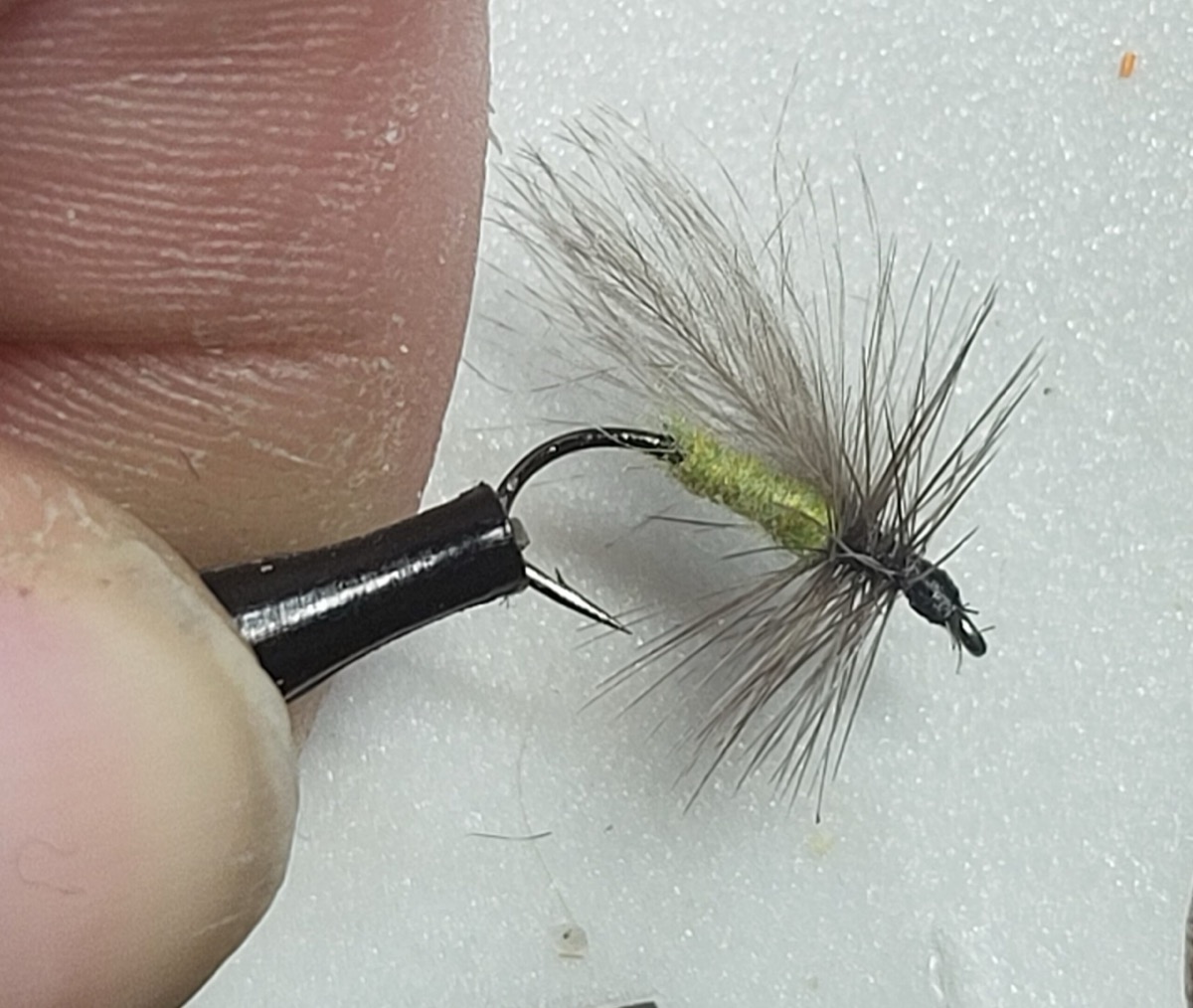
 FLY
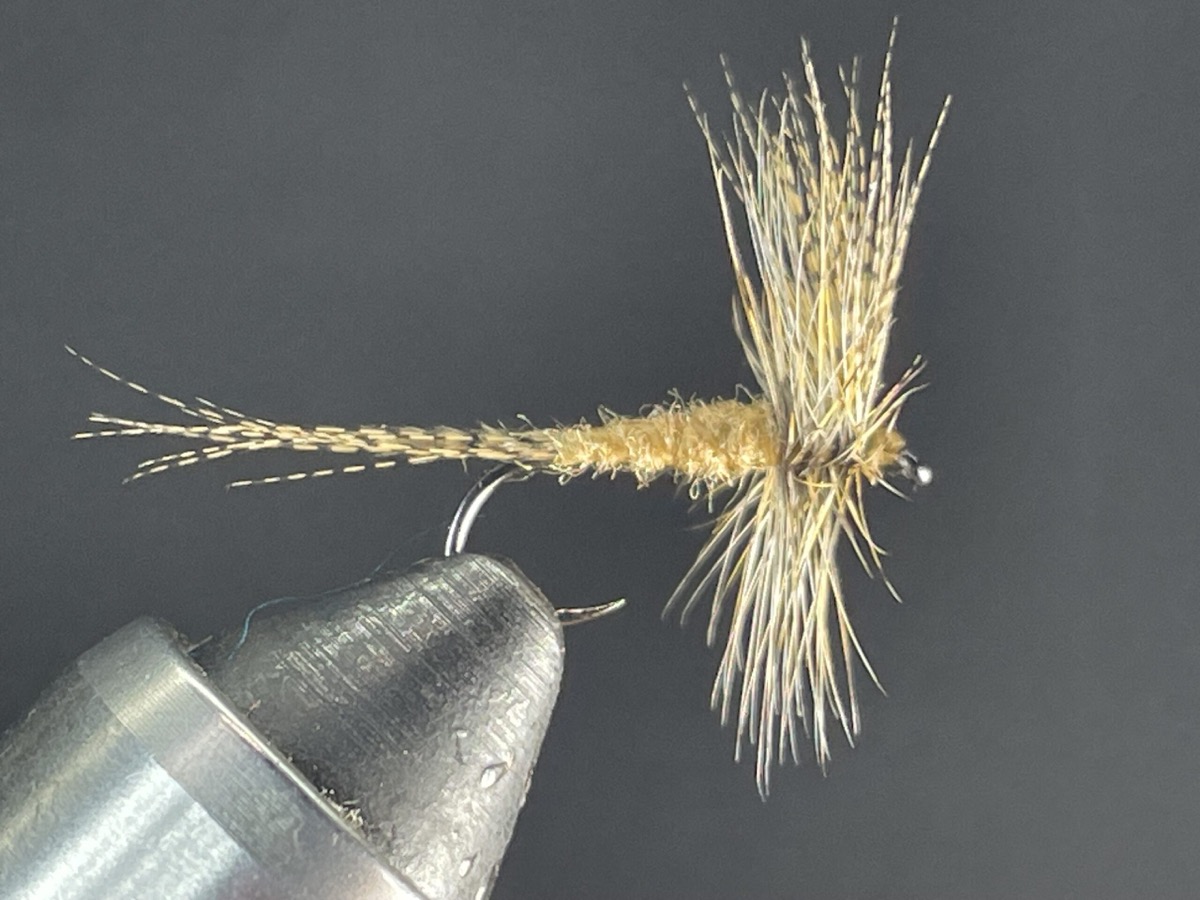
Dry Fly
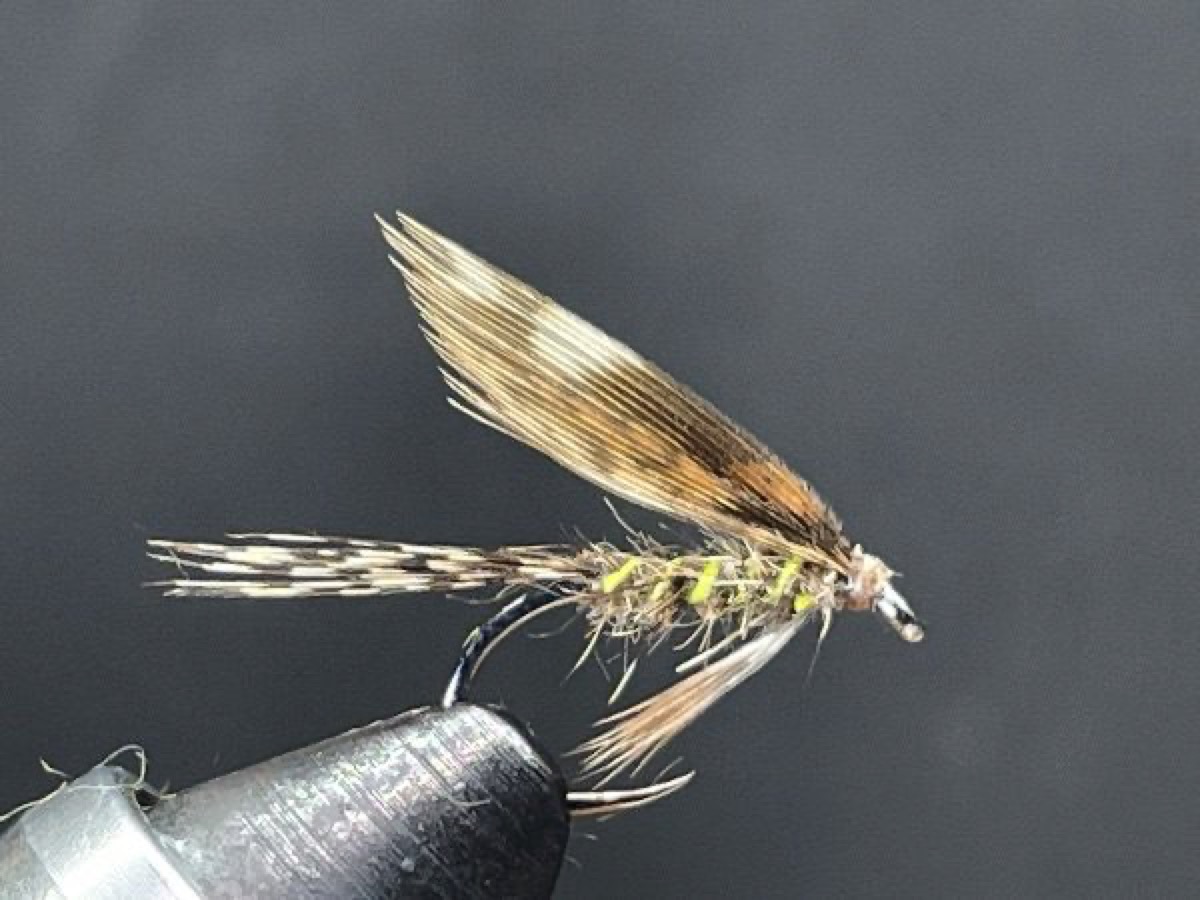
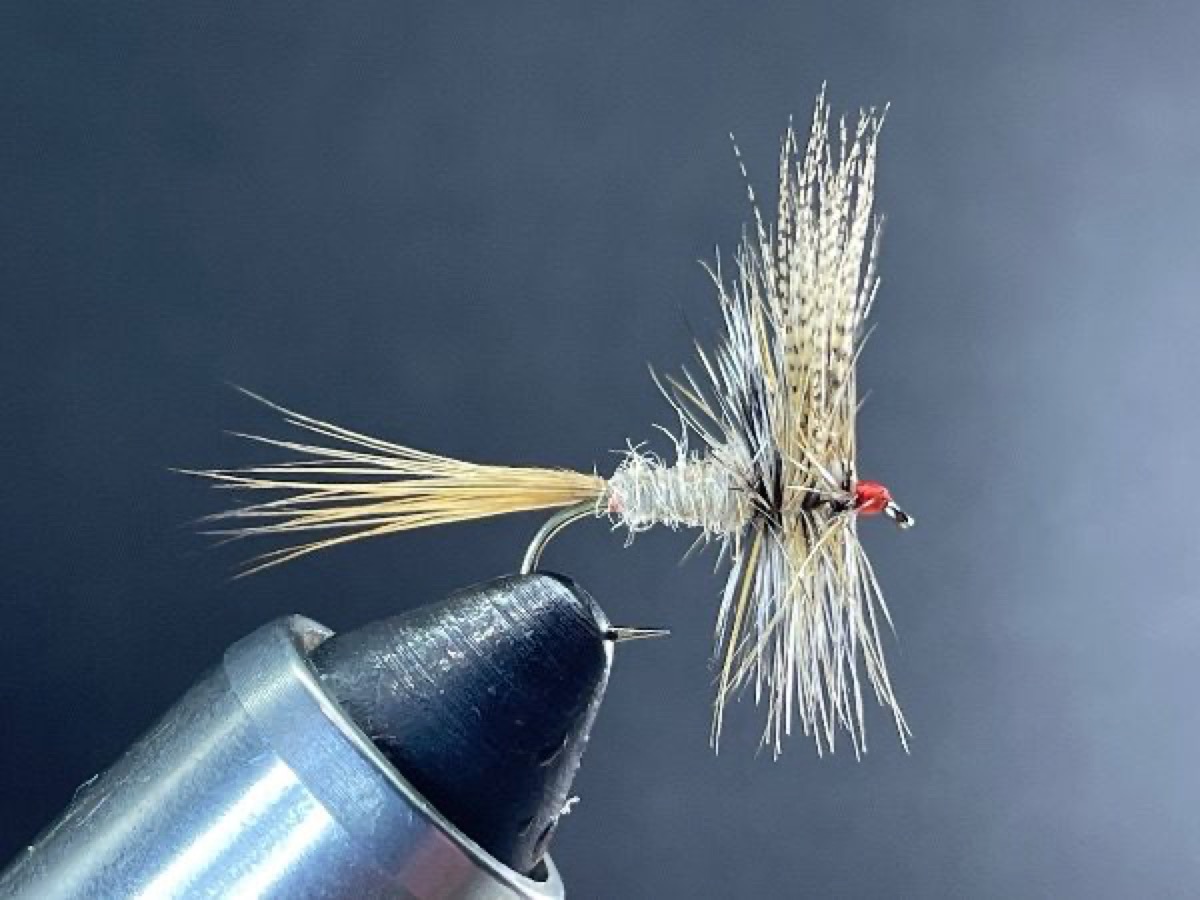
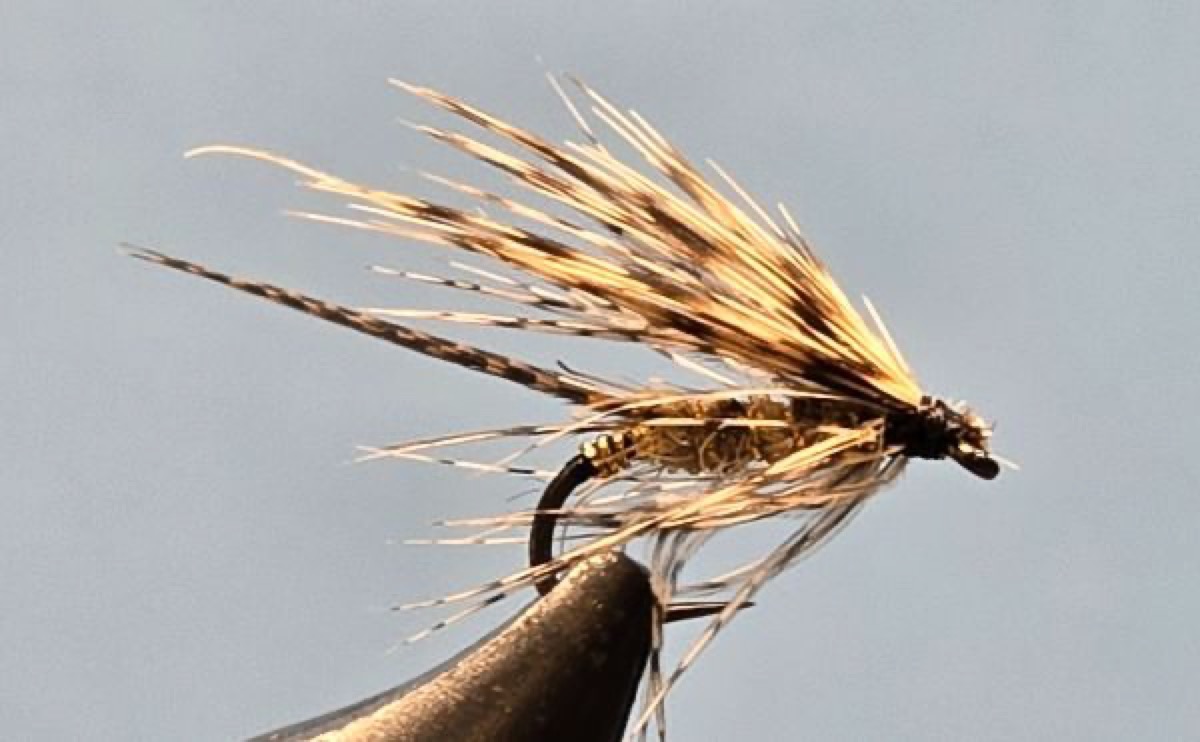
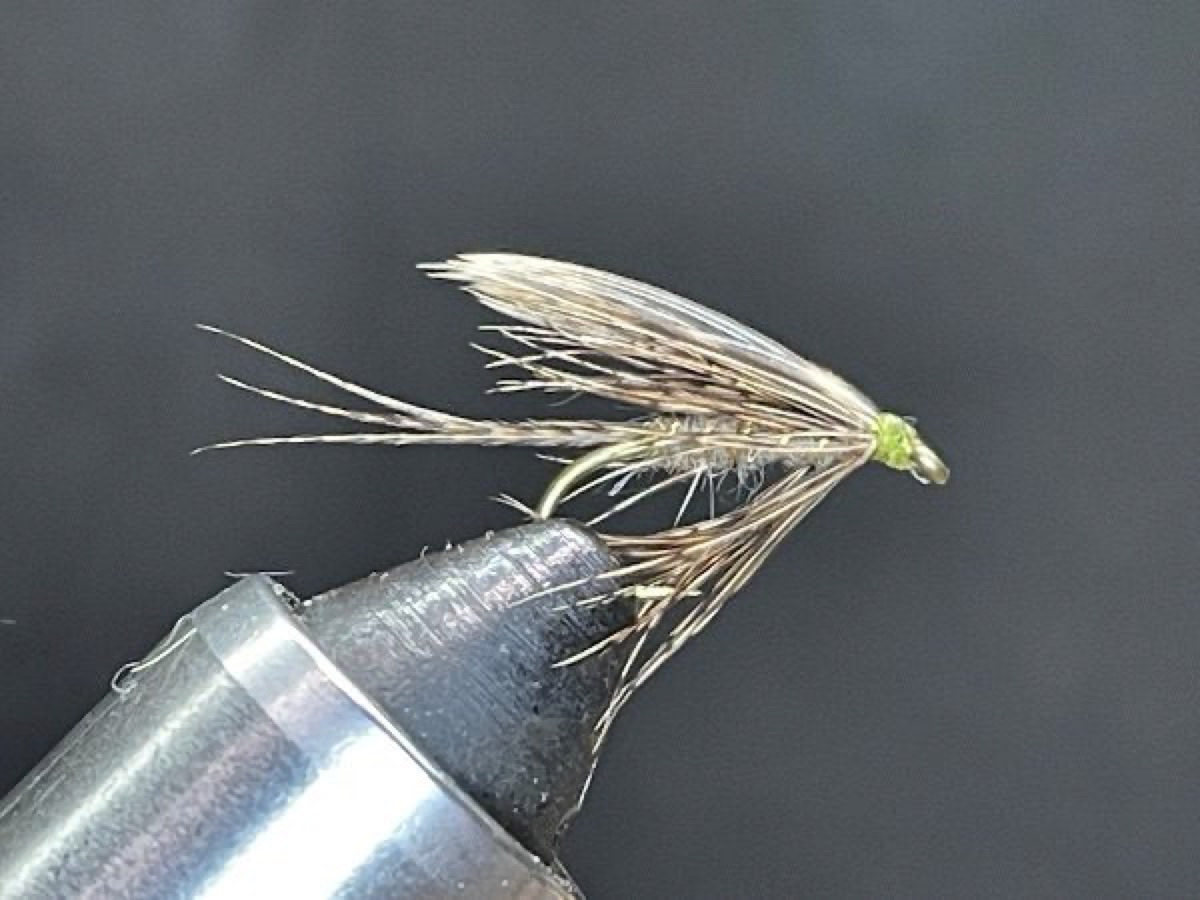
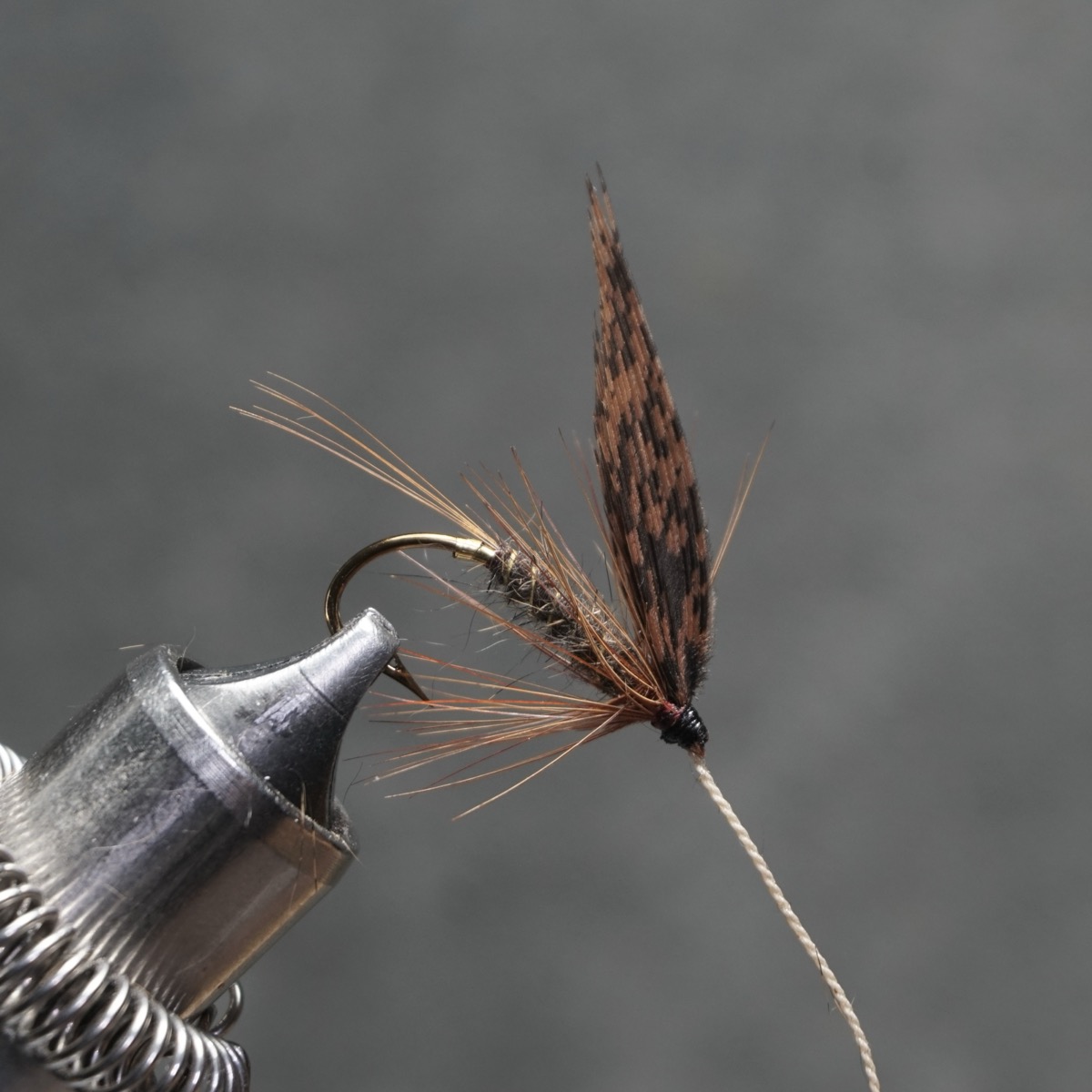
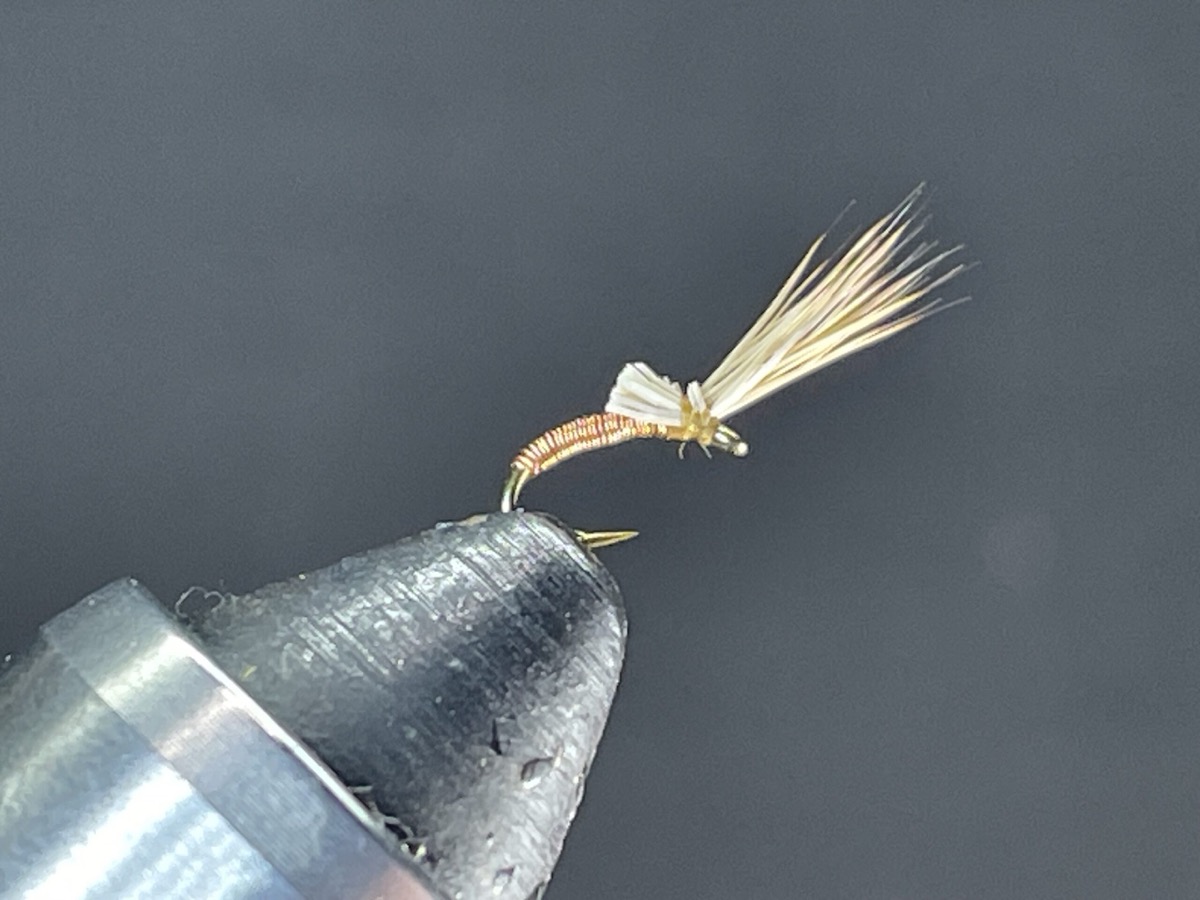
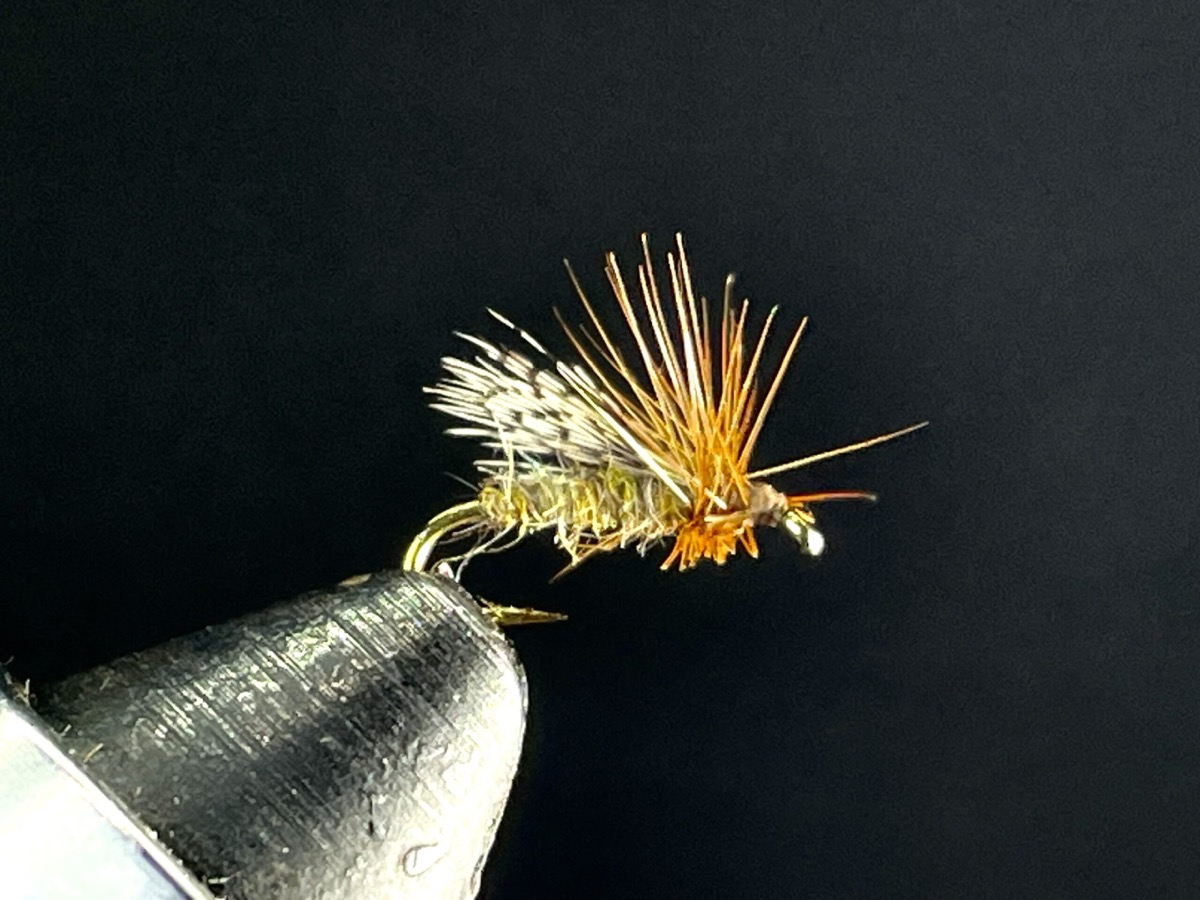
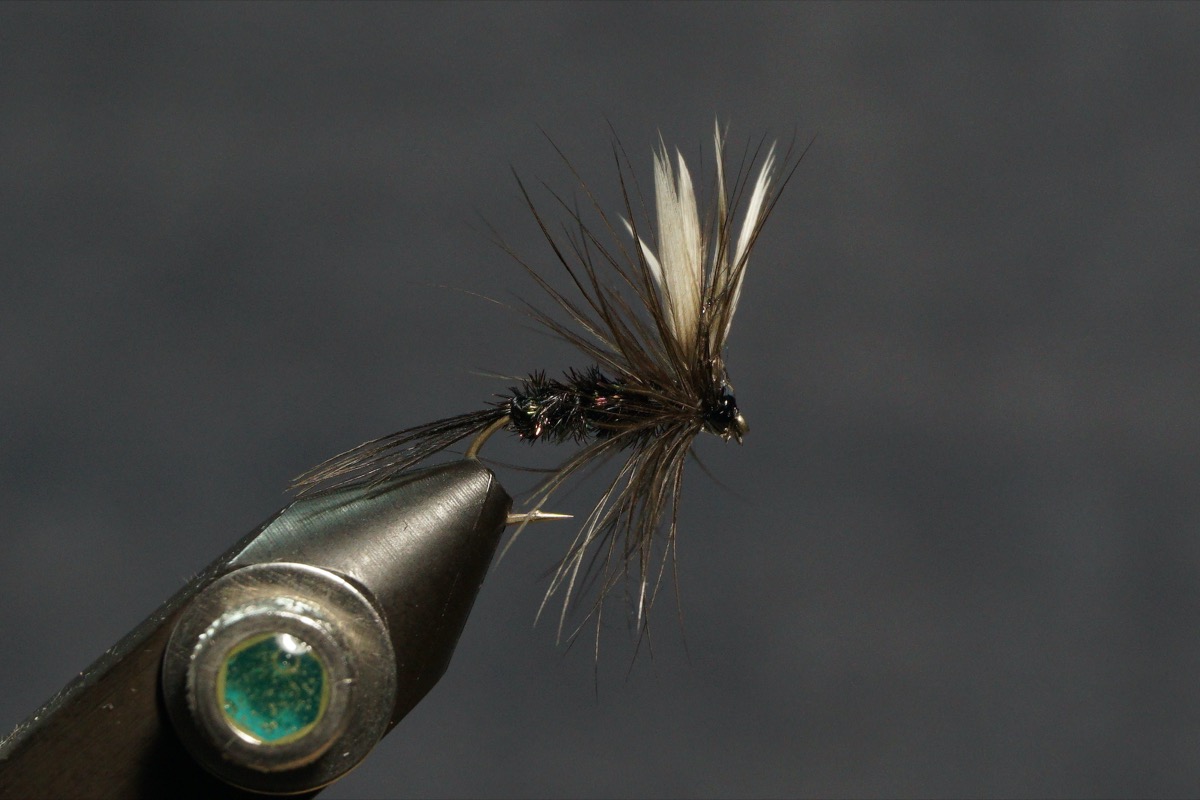
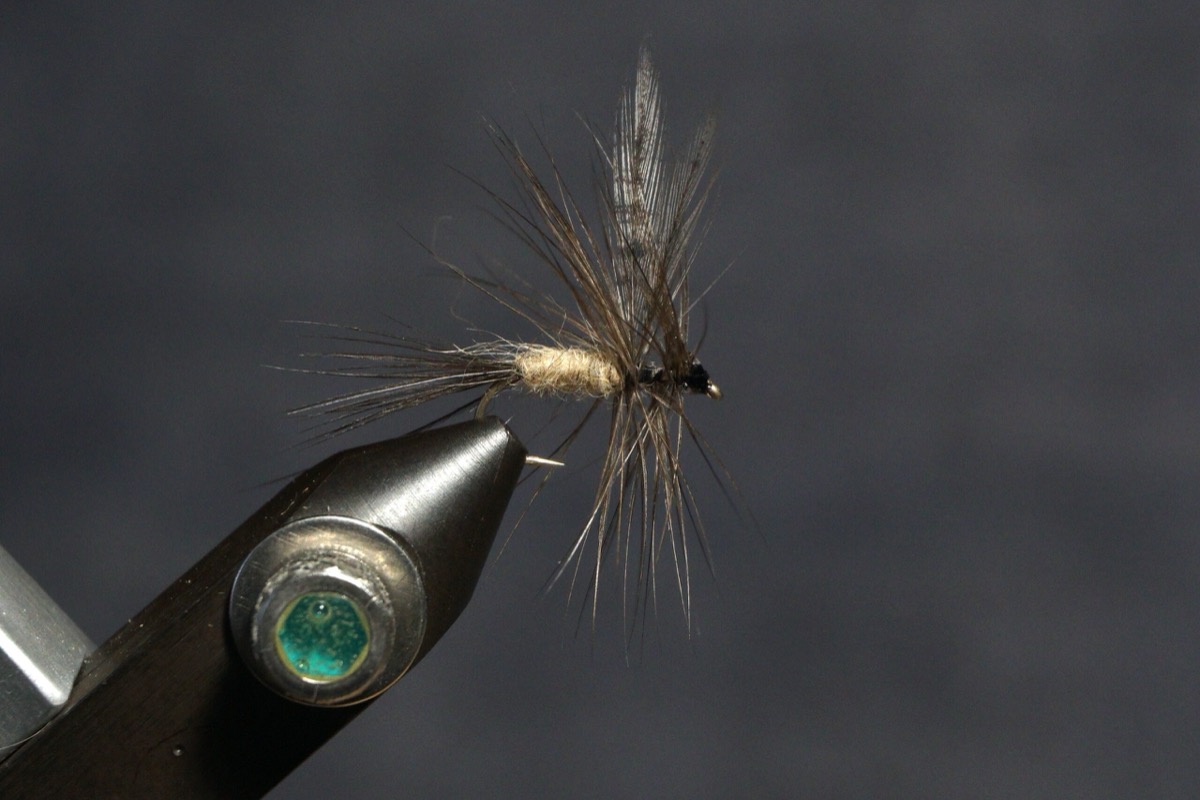
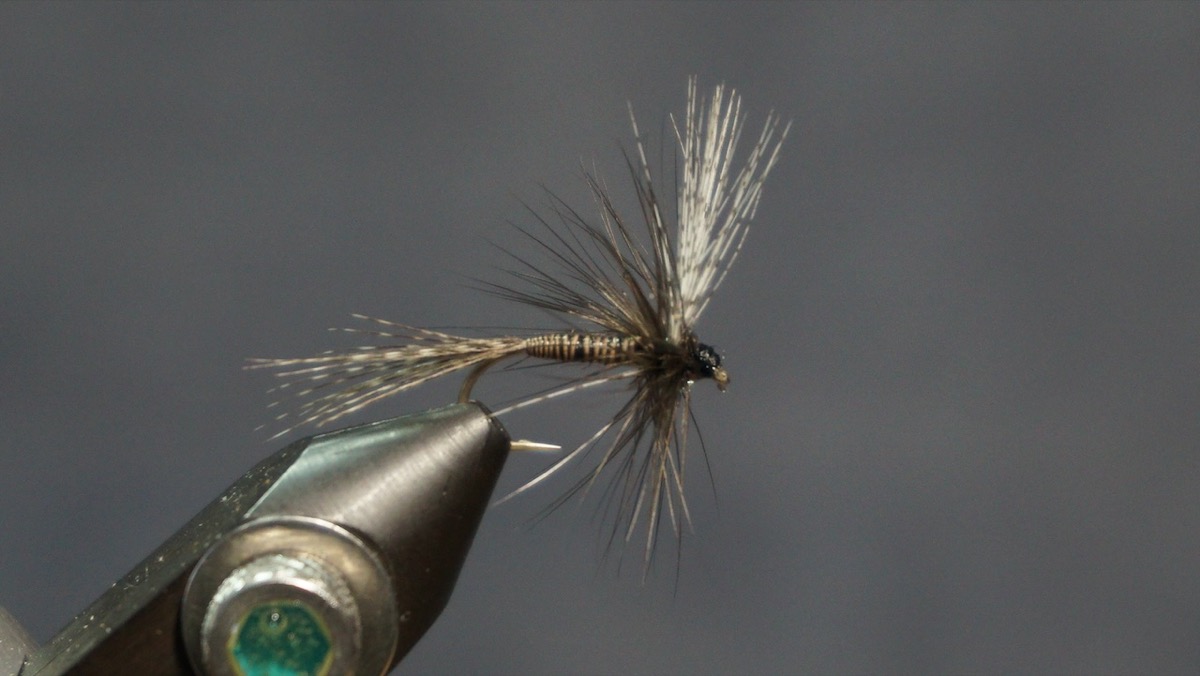
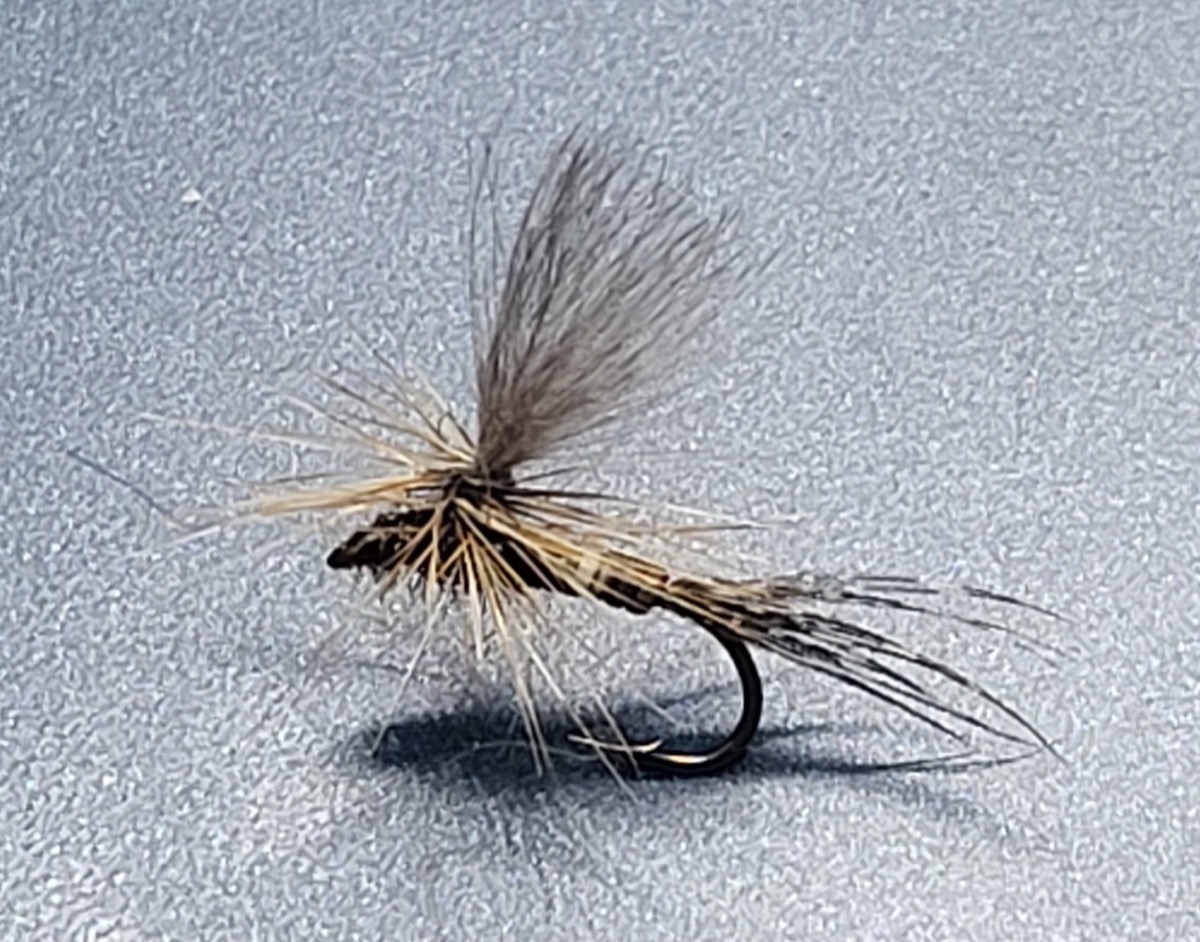
March Brown
Tied by Brent Jones
March Brown recipe
| Hook | Gamakatsu S10 08404 size 12 |
|---|---|
| Thread | Veevus E12 8/0 |
| Wings | Lemon Barred Wood Duck ( upright and divided) |
| Tail | Lemon Barred Wood Duck |
| Abdomen | Spirit River Antron Dubbing Squirrel Belly |
| Rib | Thread |
| Hackle | Whiting Bronze Grade Cree |
| Head | Thread |
What the March Brown imitates
- Mayfly spinner (spinner)
Where the March Brown came from
- Described by Alfred Ronalds, 1836. Natural figured with dressing.Source: Ronalds, The Fly-Fisher's Entomology (2nd ed. 1839; orig. 1836), No.8 Flies for March, p.58
- Described by John Kirkbride, 1837, Carlisle, Cumberland. Hare's ear and face fur with gold and olive mohair, ribbed gold silk, partridge-back legs, cock pheasant quill wing. He adds the Cumberland method with a black-listed ginger hackle over orange or yellow silk. He names no inventor.Source: Kirkbride, The Northern Angler (1837), Description of Flies
- Described by Francis Francis, 1867. Records regional names: Cob Fly in Wales, Brown Drake in Yorkshire.Source: Francis, A Book on Angling (1867), p.146
- Described by T.E. Pritt, 1885, Yorkshire, England. Five dressings (partridge tail or hen pheasant quill wings; woodcock-hackle version No.13) with orange silk, hare's ear and yellow mohair body, partridge tail fork. Pritt lists the names Great Brown, Brown Drake, Dun Drake; notes the late-July fly is thought by many to be a second hatch while Jackson calls it the August Brown and Ronalds the August Dun.Source: Pritt, Yorkshire Trout Flies (1885; archive.org yorkshiretroutfl00pritrich; same list in 2nd ed. North-Country Flies, 1886), Nos.11-15, Plate 3
- Described by Mary Orvis Marbury, 1892. Illustrated and discussed by Marbury among her trout flies (no. 174). The chapter carries correspondents' letters on its origin and use; origin claims from those letters not yet extracted.Source: Marbury, Favorite Flies and Their Histories (1892), coloured plates, fly no. 174
- Described by T. E. Pryce-Tannatt, 1914, England. Full dressing given in his appendix as a simple strip-wing. He gives no inventor or date for the pattern.Source: Pryce-Tannatt, How to Dress Salmon Flies (1914), Appendix pp.199-243, simple strip-wing
- Originated by unknown, England/Wales. Traditional imitation of Rhithrogena germanica; no maker recorded.Source: Ronalds, The Fly-Fisher's Entomology (2nd ed. 1839; orig. 1836), No.8 Flies for March, p.58
Where sources tell it differently, each account is listed with its own source.
In the old books
Original dressing as pictured in Marbury, Favorite Flies and Their Histories (1892), Plate S, No. 174. The photo above is a later tie, not the original.
Inside the vault every material on this fly opens to its own card, and you can save the fly to your own boxes.