 FLY
FLY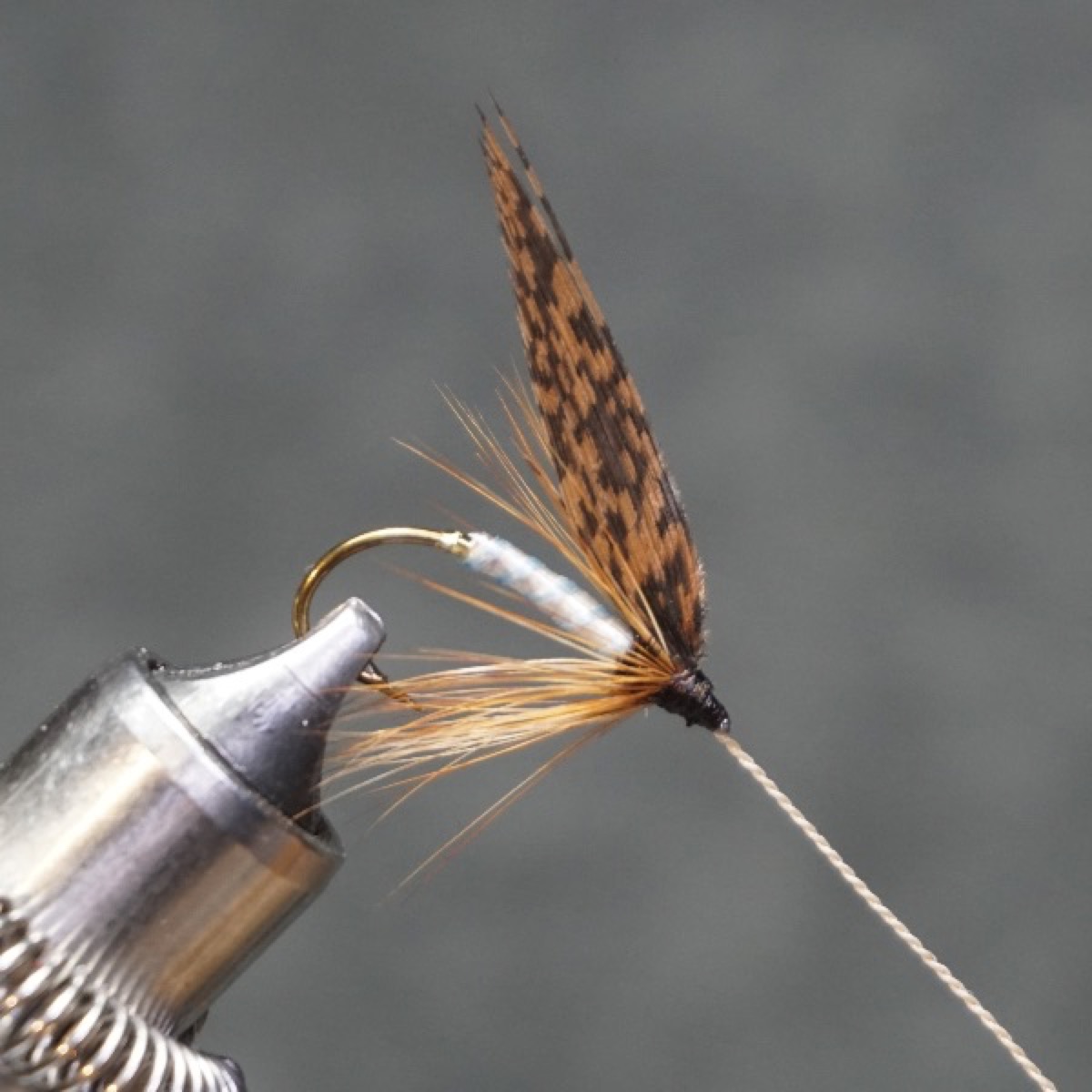
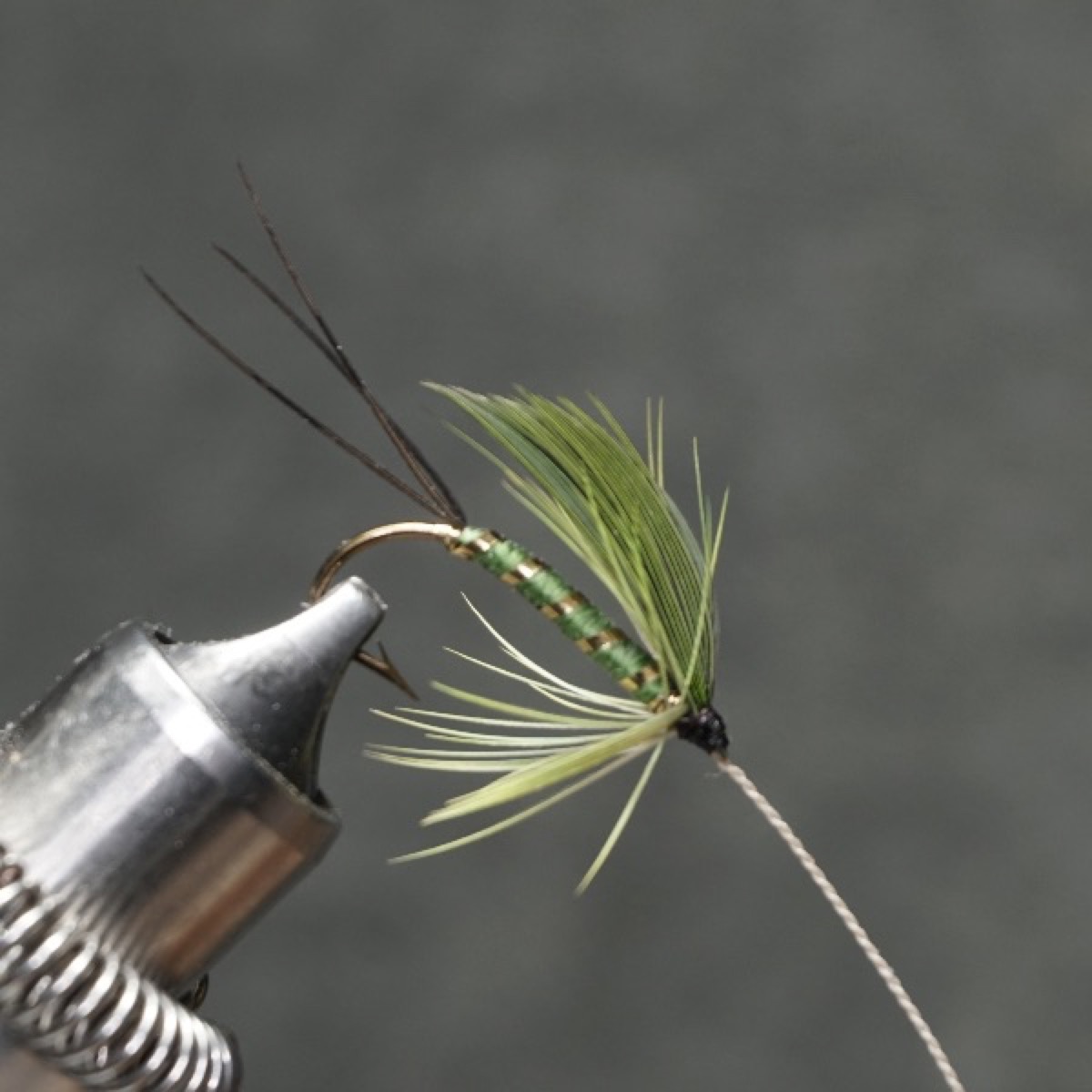
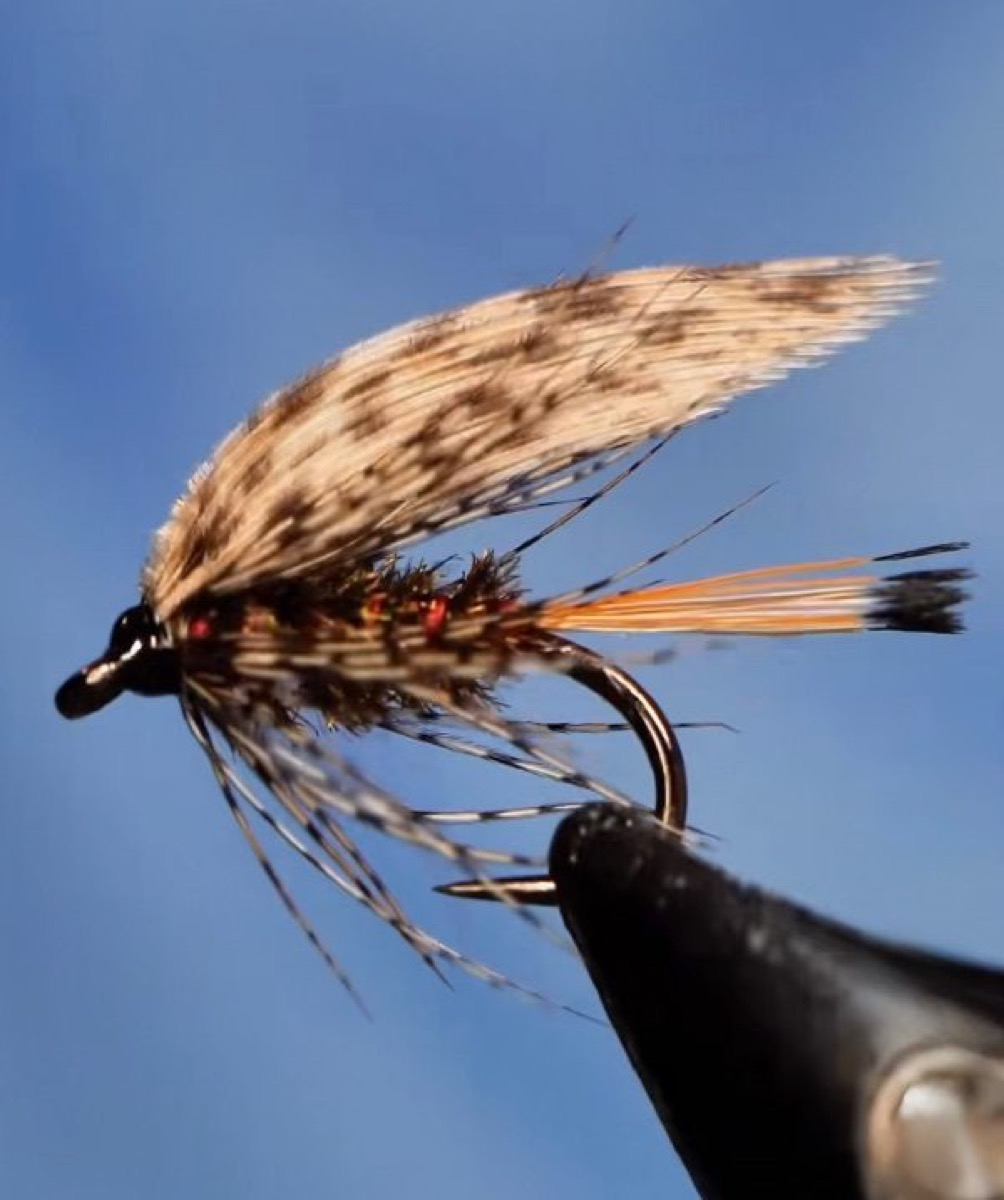
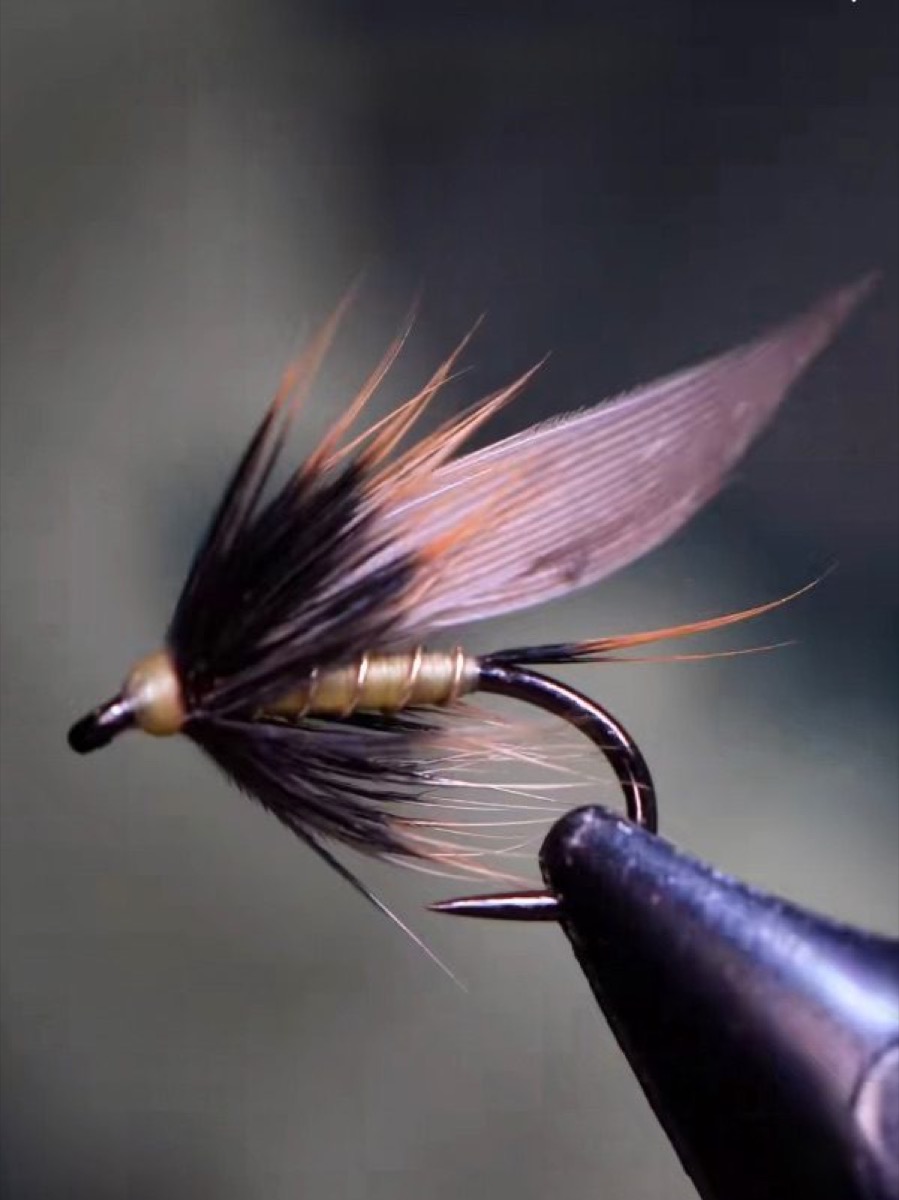
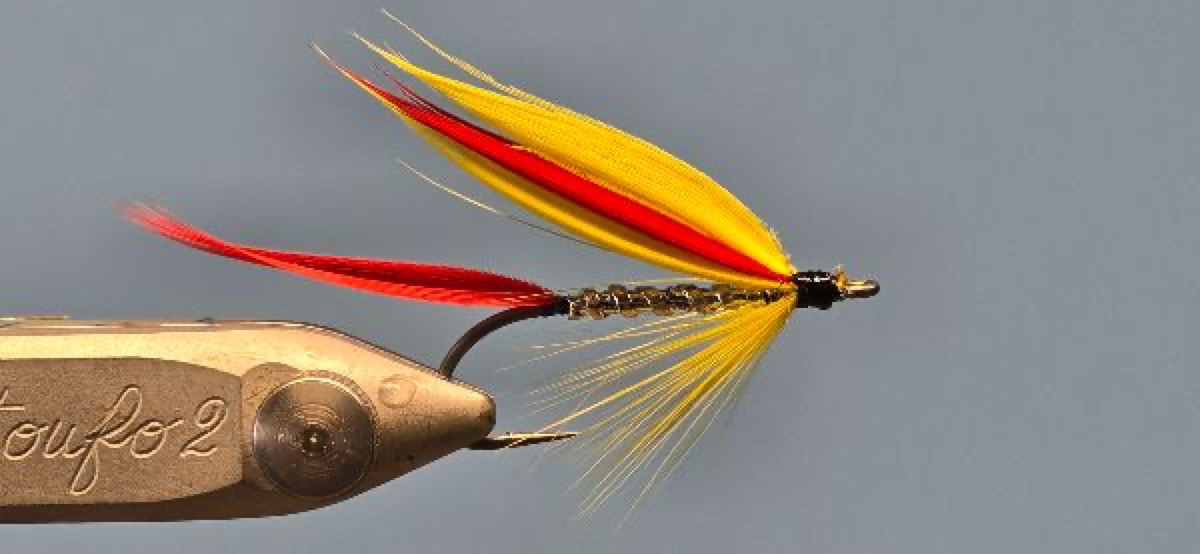
Classic Wet Fly
Kingdom
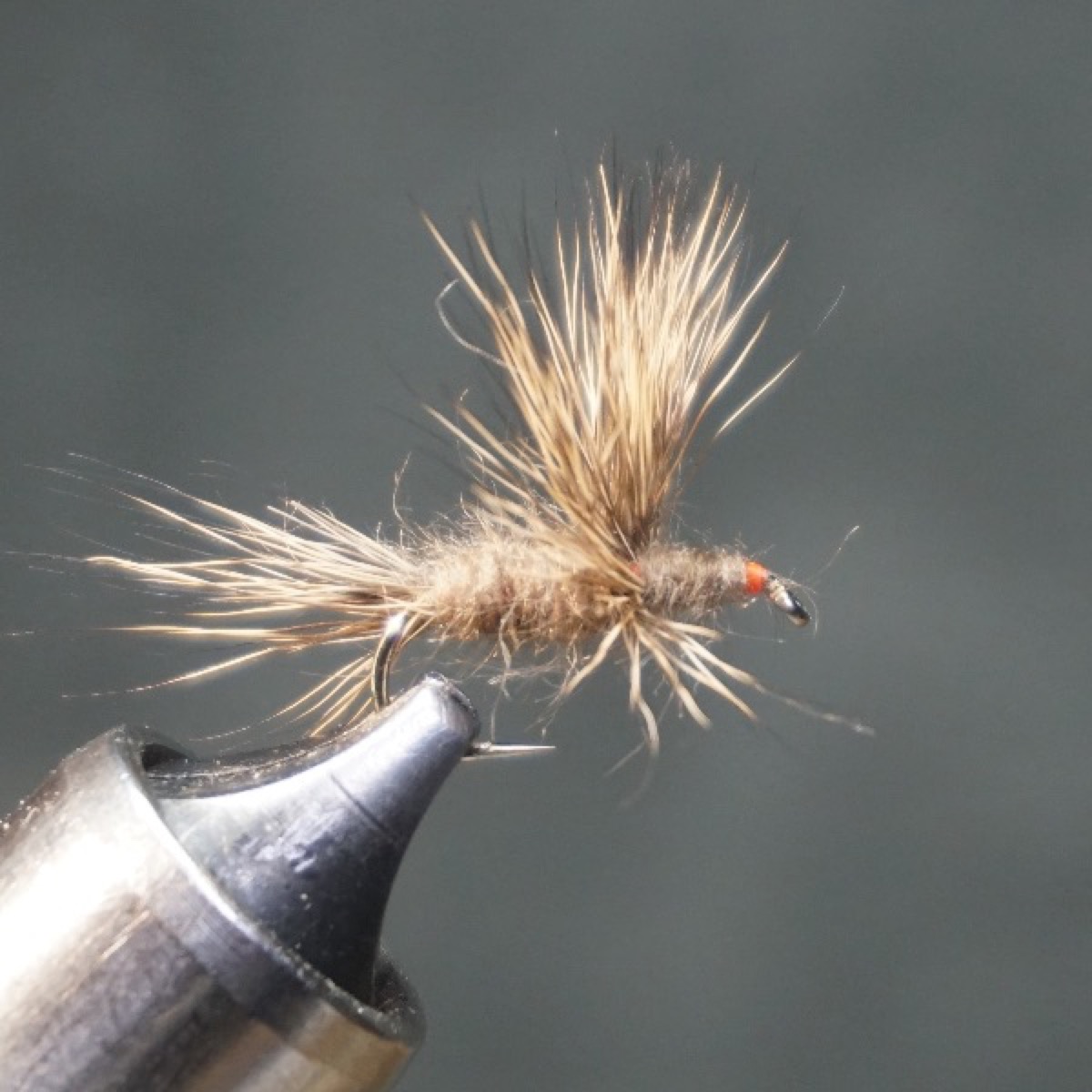
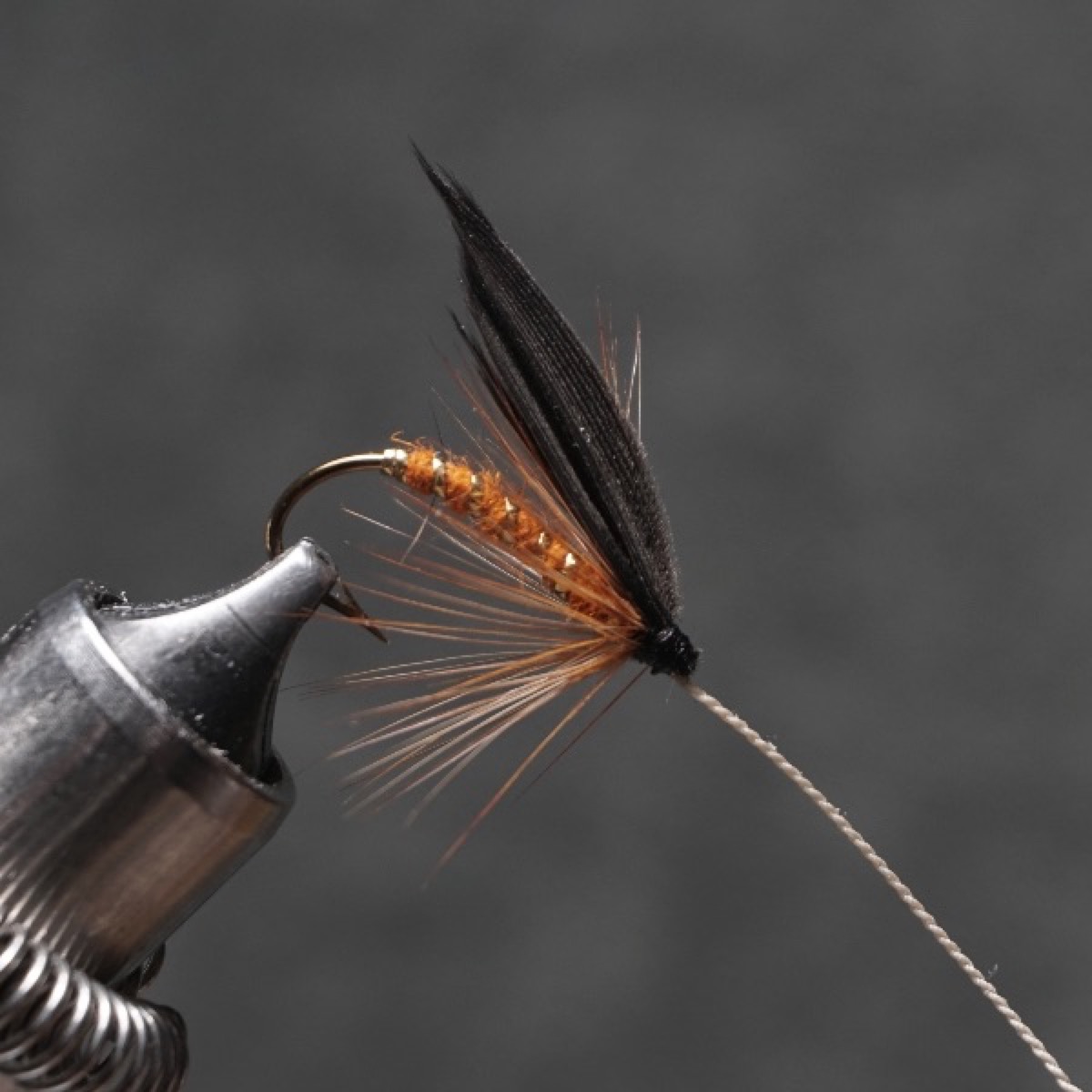
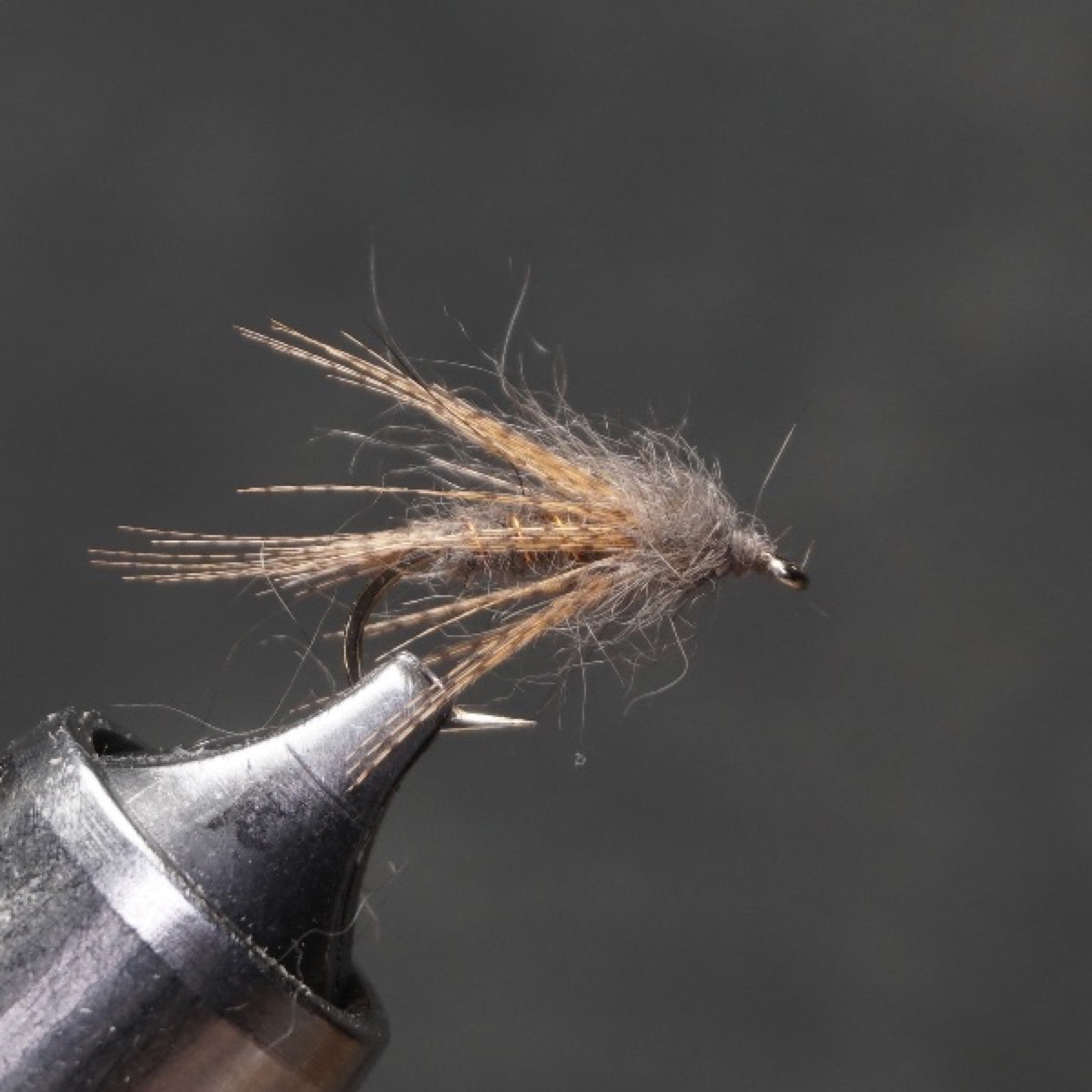
Tied by Christian Andrews
Kingdom recipe
| Hook | #6 sproat (blind and snelled) |
|---|---|
| Thread | claret silk (or red with dark lacquered head) |
| Tag | flat gold tinsel |
| Rib | blue floss |
| Body | white floss |
| Thorax | Peacock herl |
| Hackle | brown, long soft, rooster saddle |
| Wings | wild turkey tail slips |
About this fly
from Favorite Flies and Their Histories (1892) by Mary Orvis Marbury
Where the Kingdom came from
- Described by John Kirkbride, 1837. Earliest vault record: Kingdom Fly, straw silk body, pale blue hackle, woodcock wing.Source: Kirkbride, The Northern Angler (1837)
- Described by Henry William Herbert (Frank Forester), 1859. Frank Forester's American dressing: woodcock wing, white silk body striped green, red hackle.Source: Herbert (Frank Forester), Fish and Fishing of the U.S. and British Provinces (1859), p.431
- Described by T. C. Hofland, Hampshire, England. Hofland recommends it as a Hampshire fly and good general fly, killing even during the may-fly.Source: Hofland, The British Angler's Manual (Jesse edition in vault), p.217
- Originated by unknown (English), England. Well-known English fly, also called Kindon; Marbury cites Hofland (1839) on its use in Hampshire streams.Source: Marbury, Favorite Flies and Their Histories (1892), p.318
Where sources tell it differently, each account is listed with its own source.
In the old books
Original dressing as pictured in Marbury, Favorite Flies and Their Histories (1892), Plate R, No. 167. The photo above is a later tie, not the original.
Inside the vault every material on this fly opens to its own card, and you can save the fly to your own boxes.