 FLY
FLY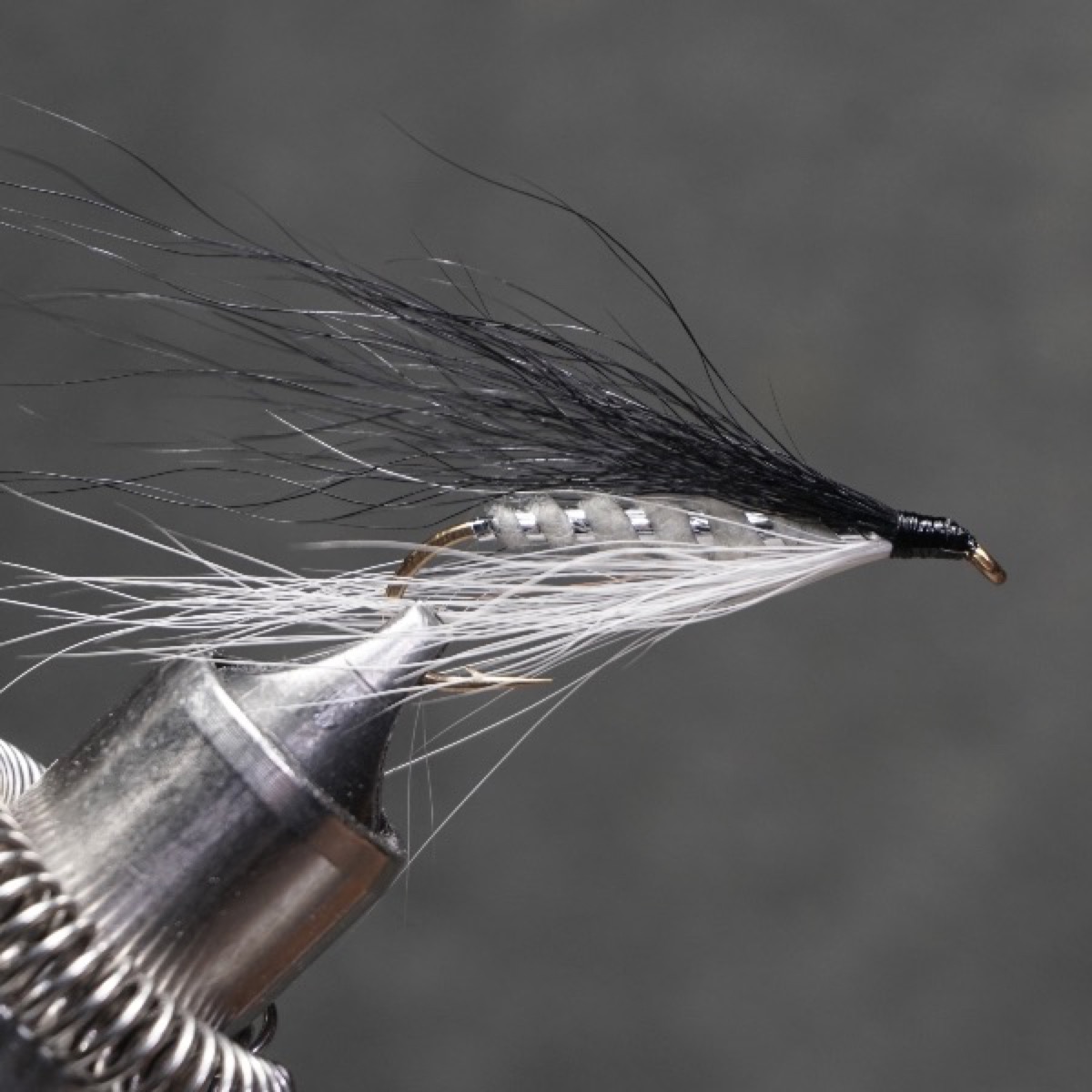
Streamer
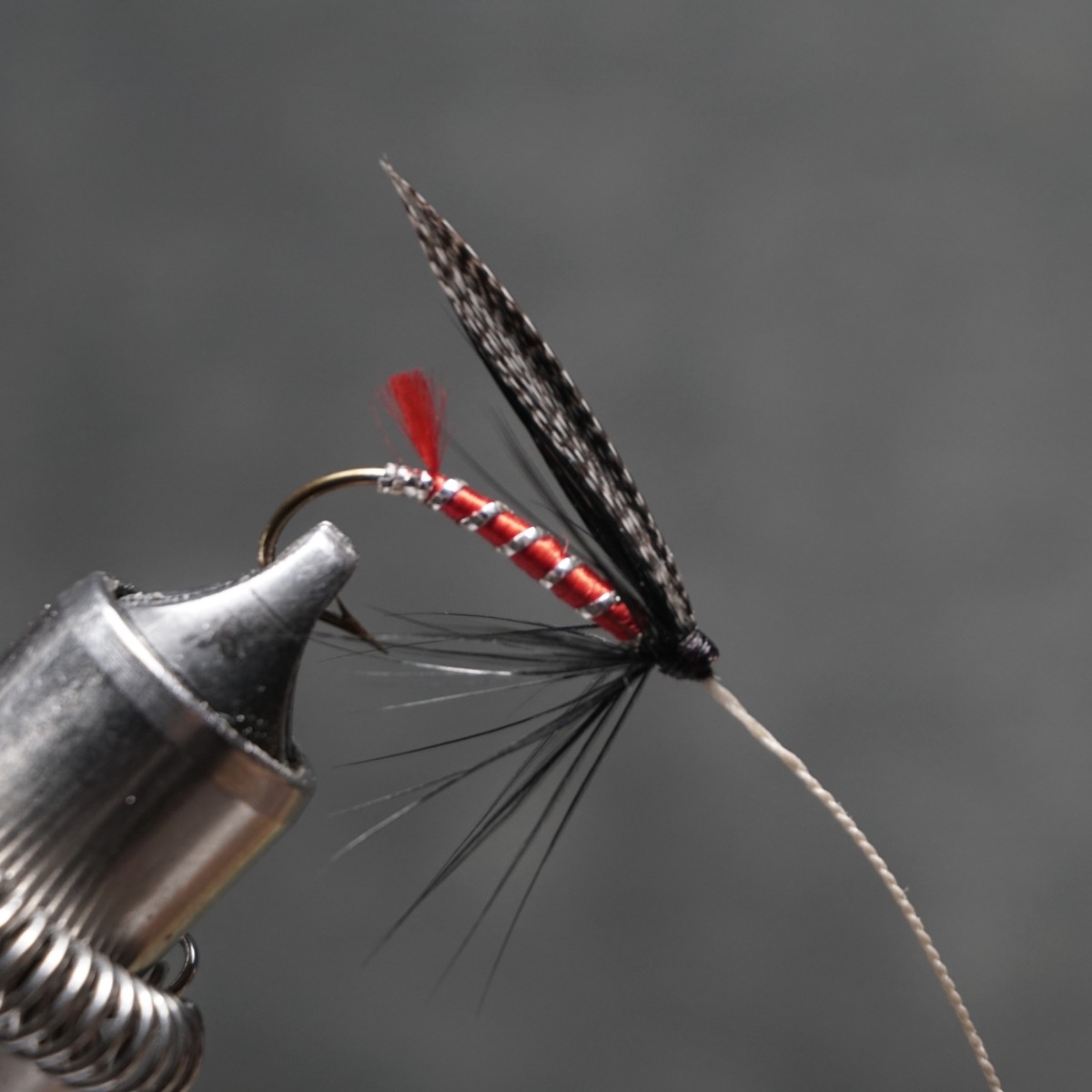
Beaverkill
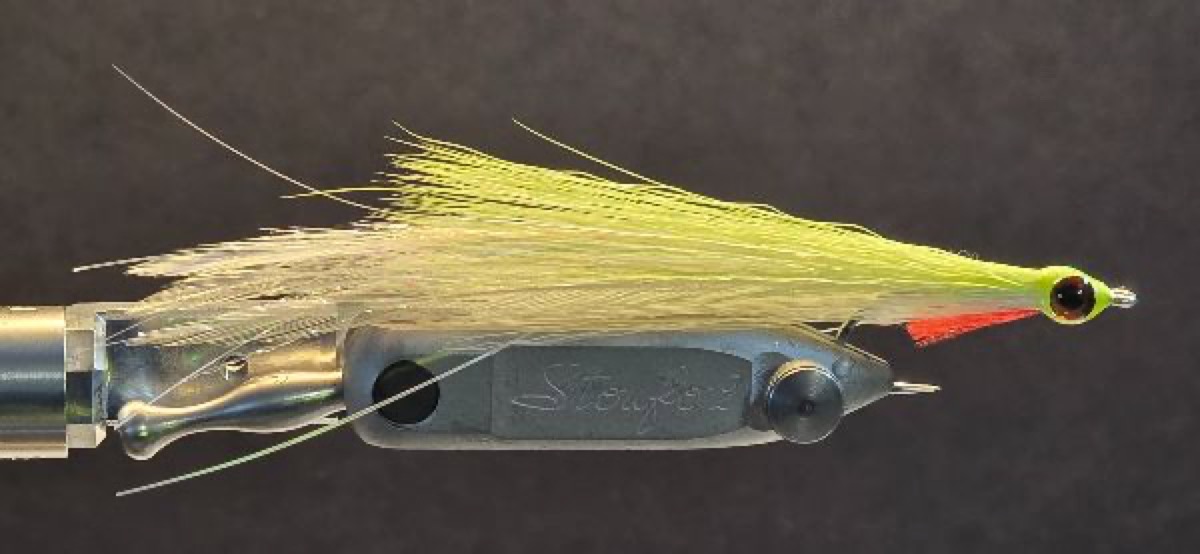
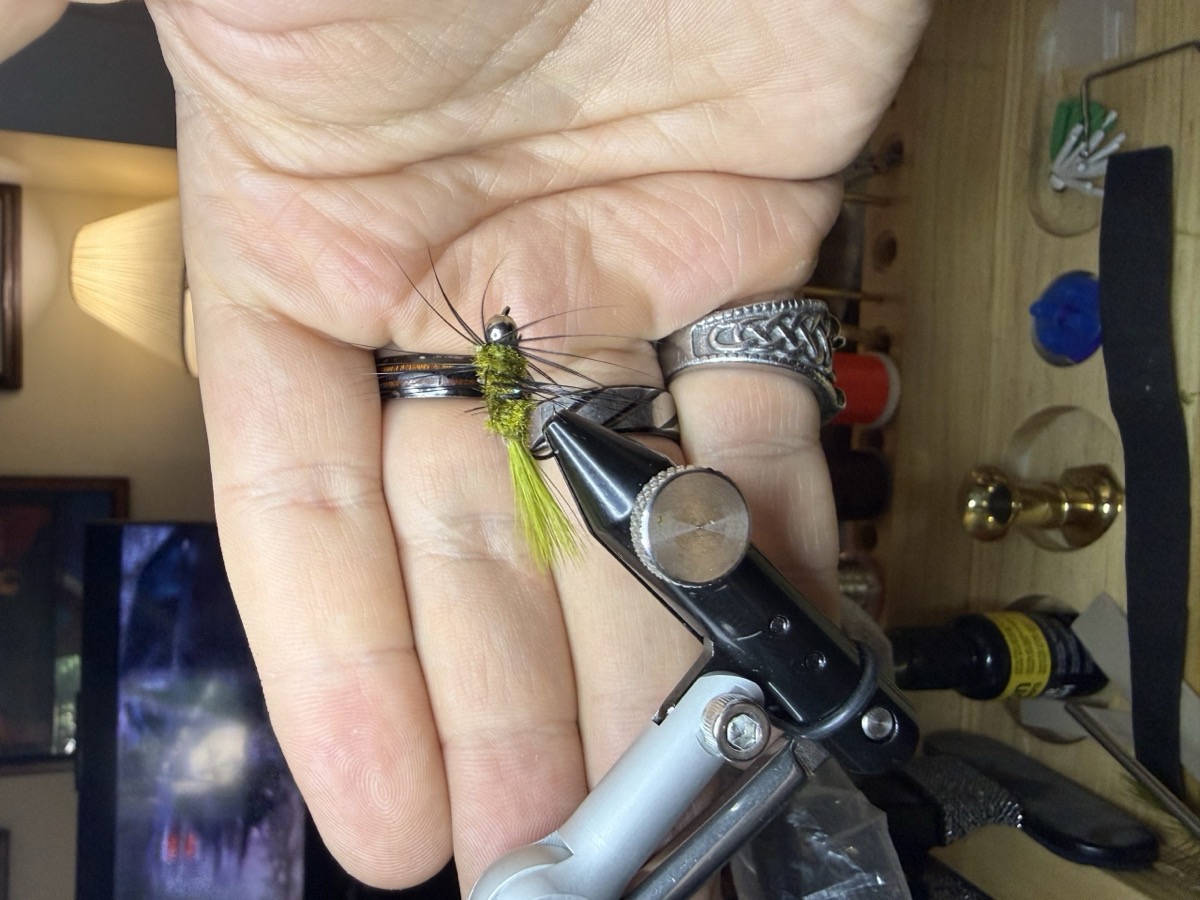
Tied by Christian Andrews
Beaverkill recipe
| Hook | #4 - 8 streamer |
|---|---|
| Thread | black |
| Rib | flat silver tinsel |
| Body | white wool, dubbed |
| Belly | white bucktail |
| Wing | black bucktail |
About this fly
using the recipe in The Founding Flies by Mike Valla
What the Beaverkill imitates
- Streamer / baitfish
Where the Beaverkill came from
- Originated by unknown London maker (Colonel S.'s claim), London. Counter-claim reported in Fitch's 1886 letter: Colonel S. said his cousin brought the fly from London. Pritchard rebutted that he had made that sample himself and that Fitch had introduced and named the fly more than thirty years before.Source: Marbury, Favorite Flies and Their Histories (1892), p.242
- Popularized by Harry Pritchard, New York. Fitch had Pritchard copy the fly; Pritchard tied and sold thousands of Beaverkills.Source: Marbury, Favorite Flies and Their Histories (1892), p.241
- Named by Judge Fitz James Fitch, Mill Brook, Delaware County, NY. Fitch's 1886 letter: he found an unnamed English fly in his book about forty years earlier, introduced and named it.Source: Marbury, Favorite Flies and Their Histories (1892), p.241
- Originated by unknown English fly-maker, England. Fitch's sample was an unidentified English-made fly, so the original tier is unknown.Source: Marbury, Favorite Flies and Their Histories (1892), p.241
Where sources tell it differently, each account is listed with its own source.
In the old books
Original dressing as pictured in Marbury, Favorite Flies and Their Histories (1892), Plate N, No. 105. The photo above is a later tie, not the original.
Inside the vault every material on this fly opens to its own card, and you can save the fly to your own boxes.