 FLY
FLY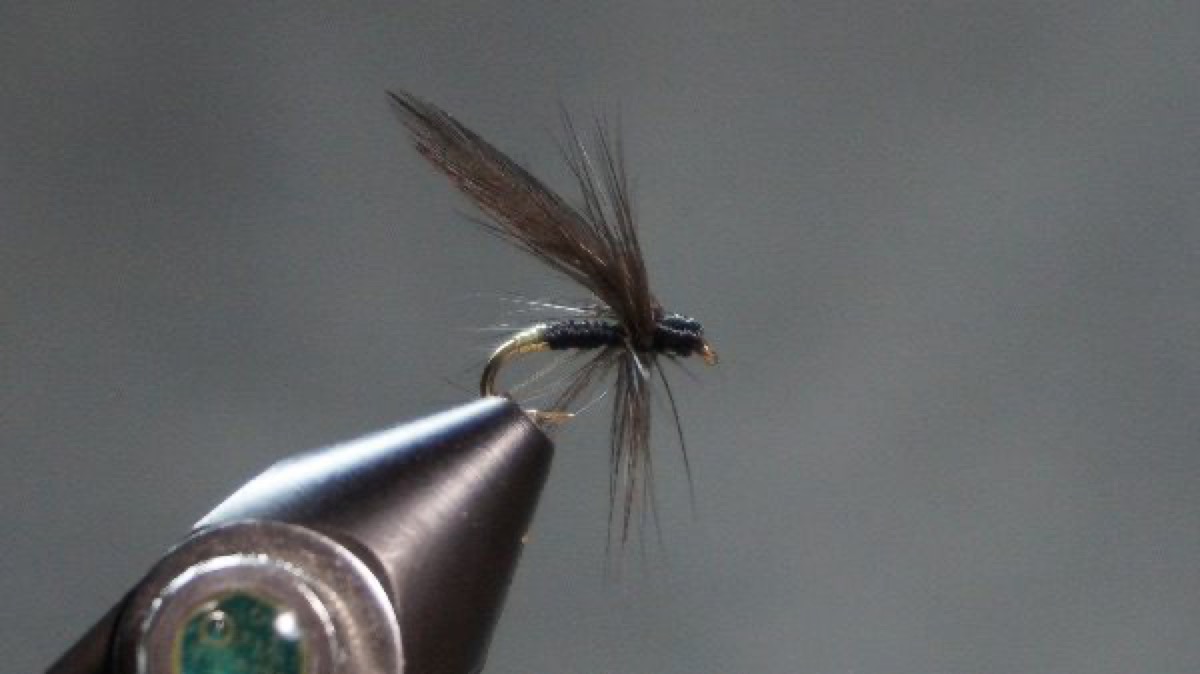
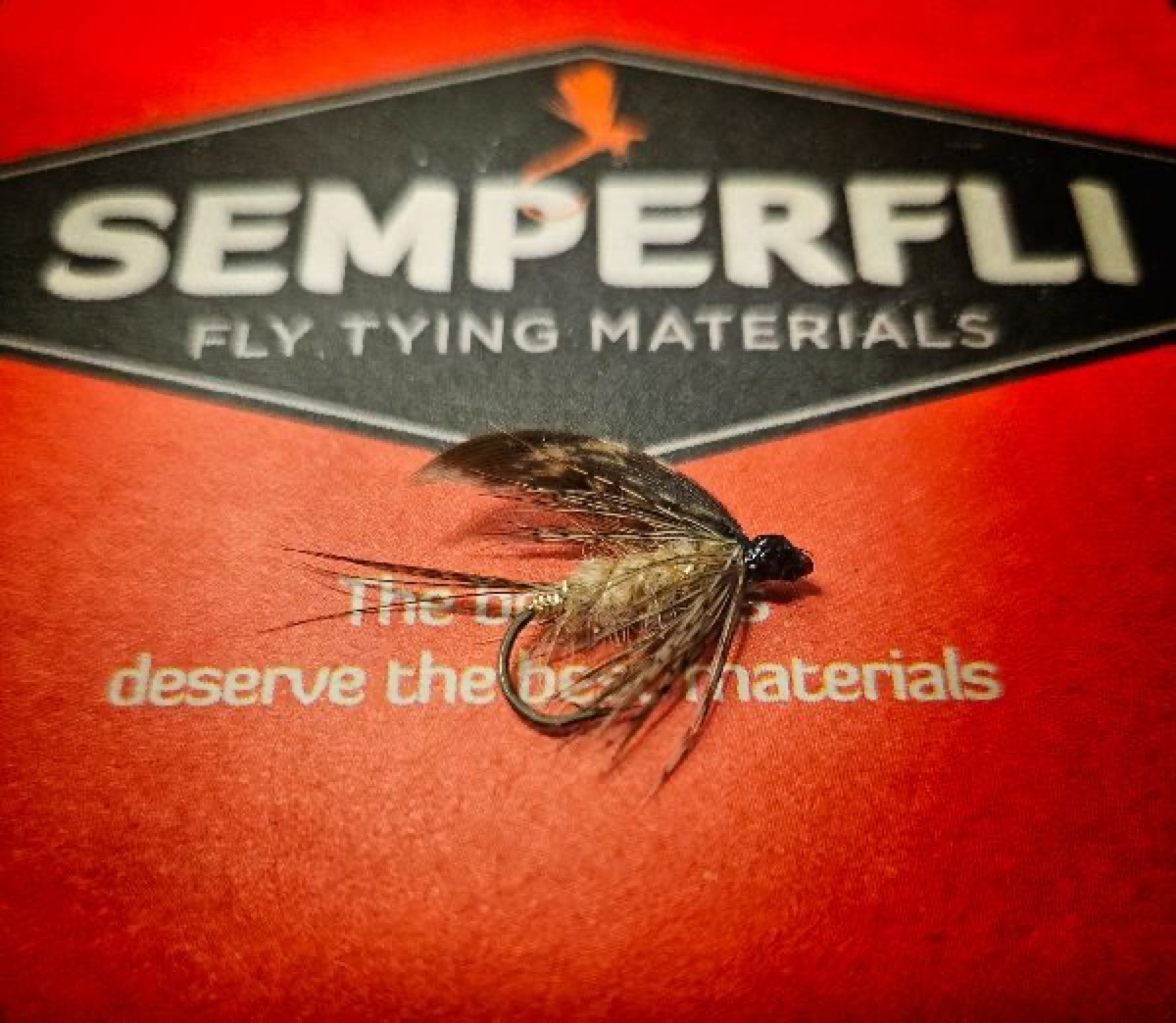
Classic Wet Fly
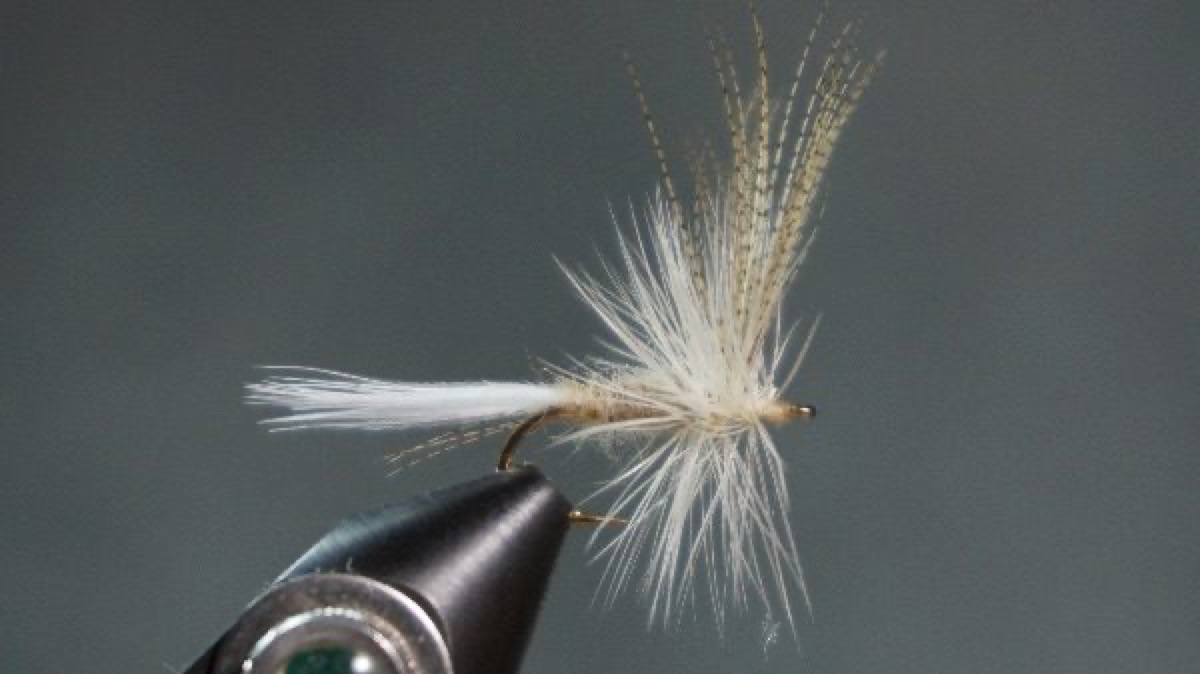
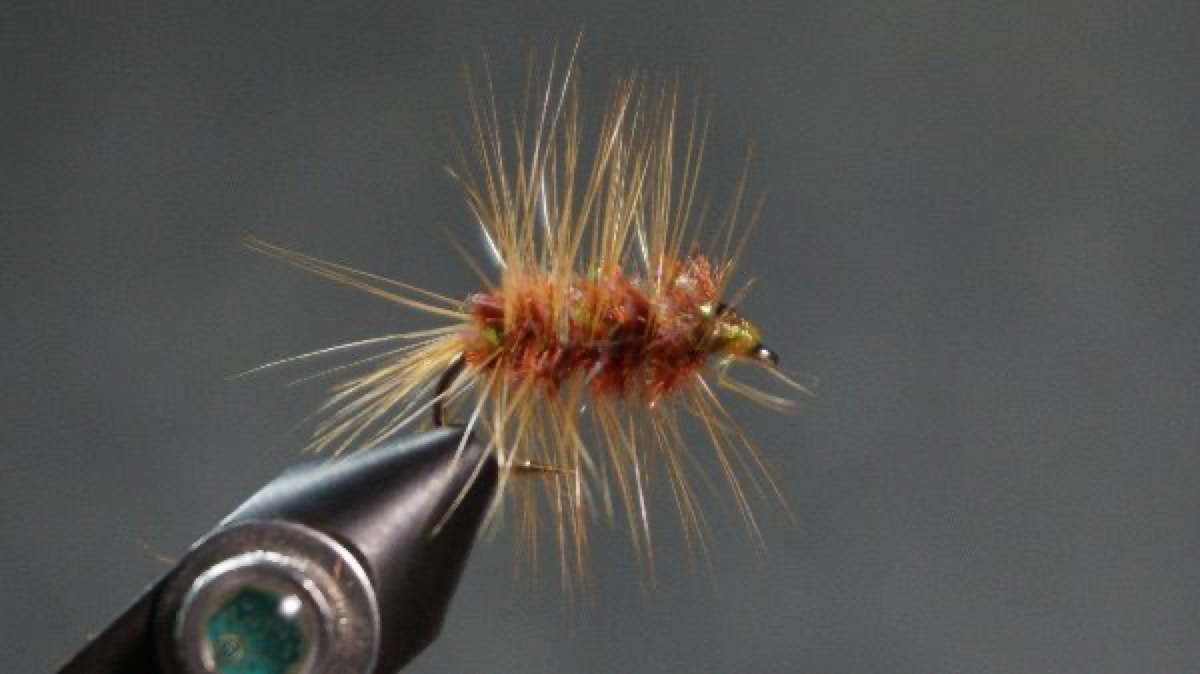
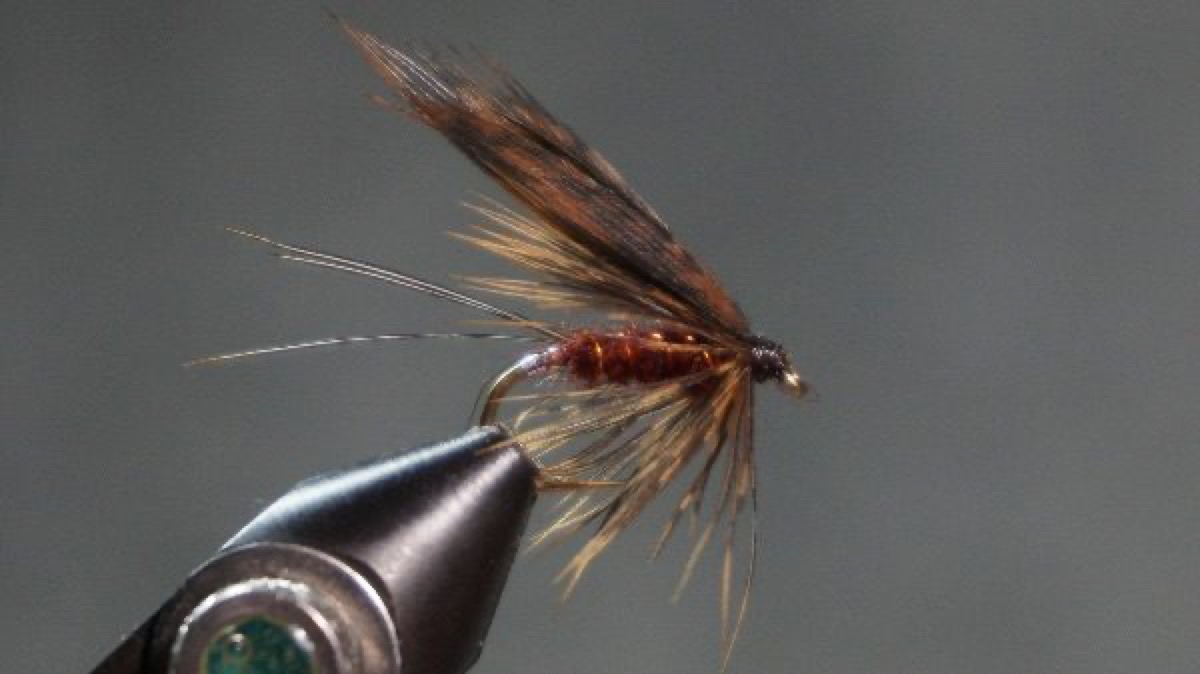
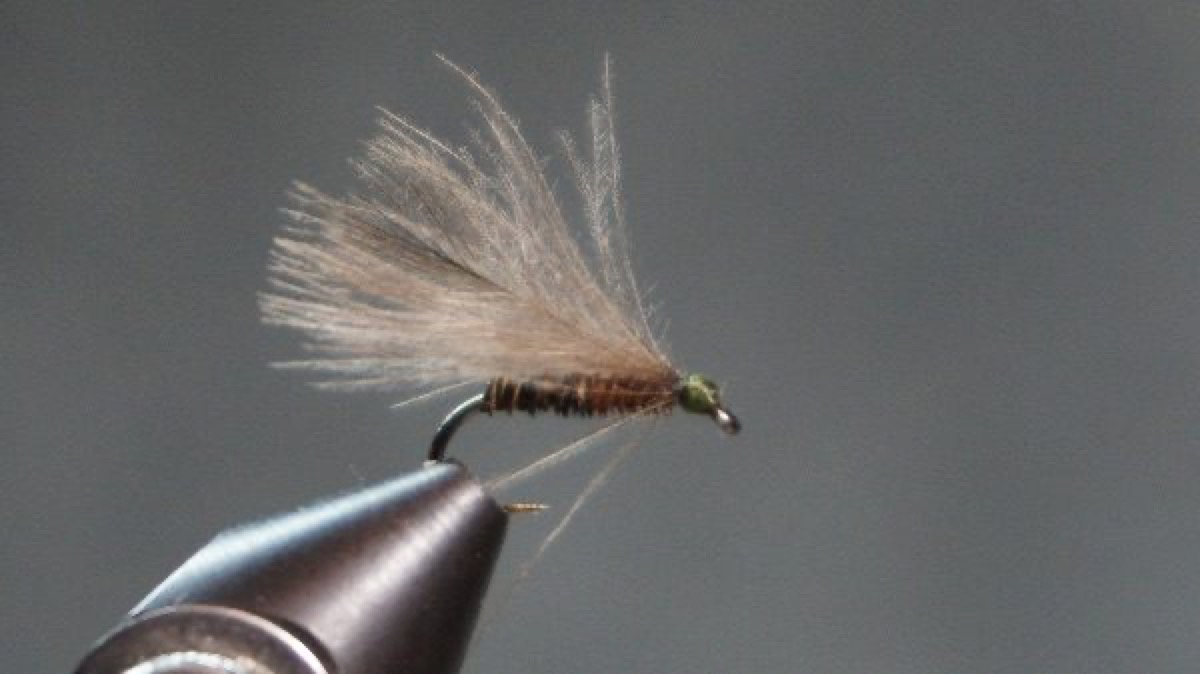
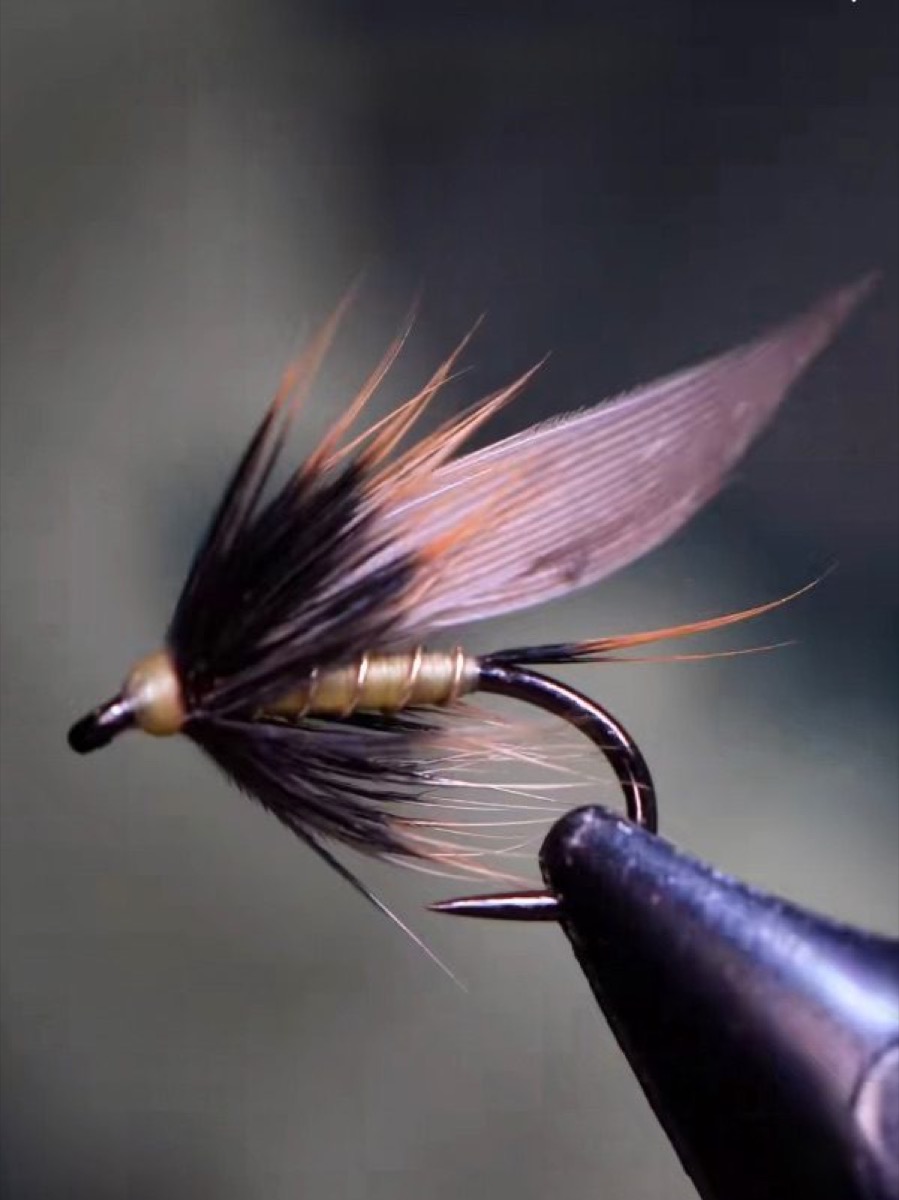
Black May
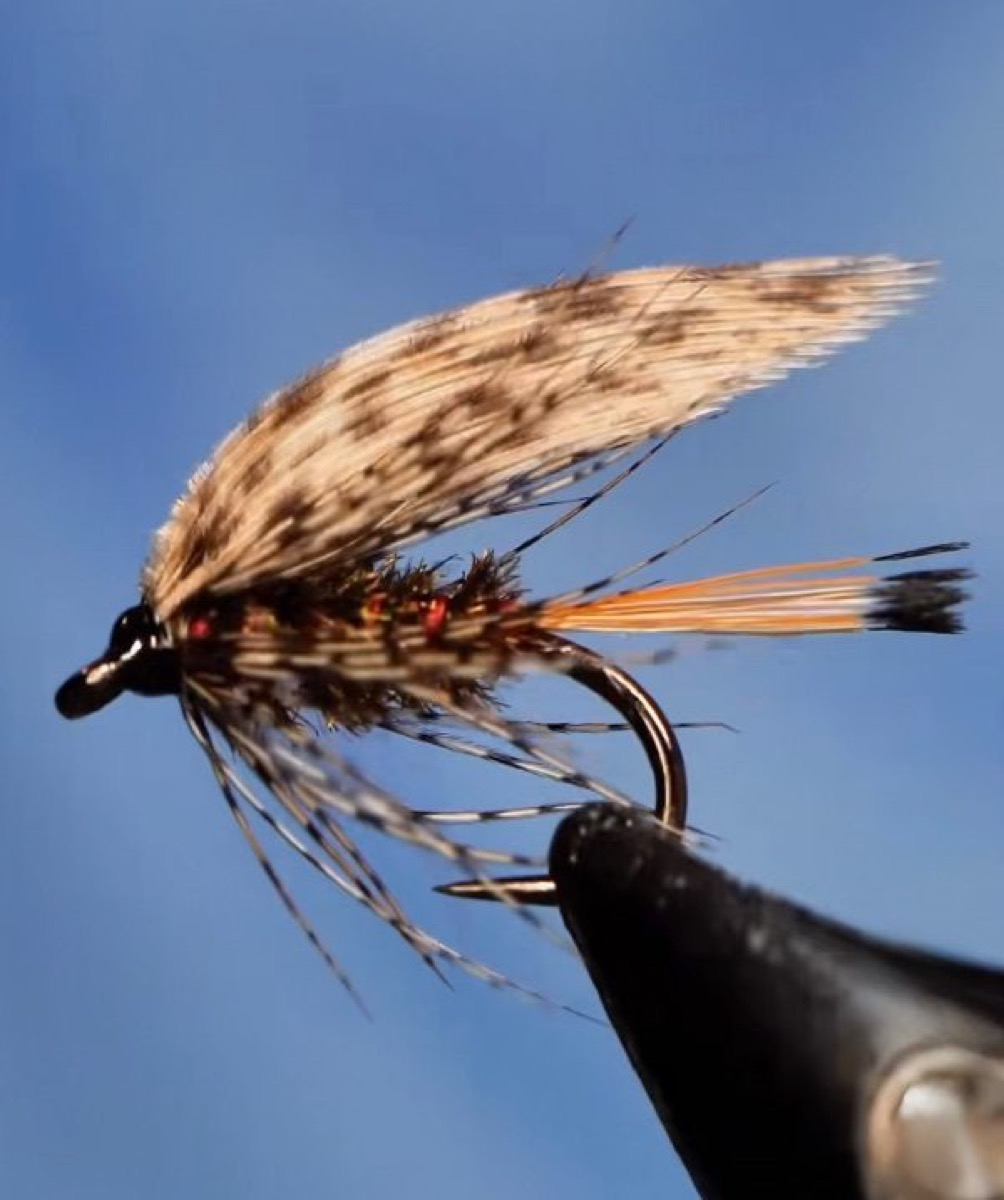
Tied by Christian Andrews
Black May recipe
| Hook | #18 - 22 dry |
|---|---|
| Thread | black |
| Tag | gold tinsel |
| Body | thread |
| Hackle | black or dark dun sized to hook |
| Wings | black or dar dun hackle feather tips |
About this fly
from Favorite Flies and Their Histories by Mary Orvis Marbury as illustrated by Charles Orvis This is a two winged Diptera, not a mayfly
What the Black May imitates
- Salmon / steelhead classic wet (floss, tinsel, hackle)
Where the Black May came from
- Described by Charles Cotton, 1676. Names a Black-Fly among four flies contending for the title of May-fly; possible ancestor, not same name.Source: Cotton, The Compleat Angler Part II (1676), Elliot ed., May, the four May-fly contenders
- Described by John Turton, 1836. Lists 'Black May Fly, or Silver Palmer'.Source: Turton, The Angler's Manual (1836), List No.33
- Described by Mary Orvis Marbury, 1892. Says it imitates a two-winged fly (Diptera).Source: Marbury, Favorite Flies and Their Histories (1892), Plate M No.92
- Described by Thomas Best. Black May-fly: black ostrich herl, silver twist rib, black cock hackle.Source: Best, A Concise Treatise on the Art of Angling (vault copy c.1810 ed.; first pub. 1787), May list No.3, p.114-115
- Originated by unknown, England. Traditional; one of the old 'May-fly' contenders. No maker recorded.Source: Best, A Concise Treatise on the Art of Angling (vault copy c.1810 ed.; first pub. 1787), May list No.3, p.114-115
Where sources tell it differently, each account is listed with its own source.
In the old books
Original dressing as pictured in Marbury, Favorite Flies and Their Histories (1892), Plate M, No. 92. The photo above is a later tie, not the original.
Inside the vault every material on this fly opens to its own card, and you can save the fly to your own boxes.