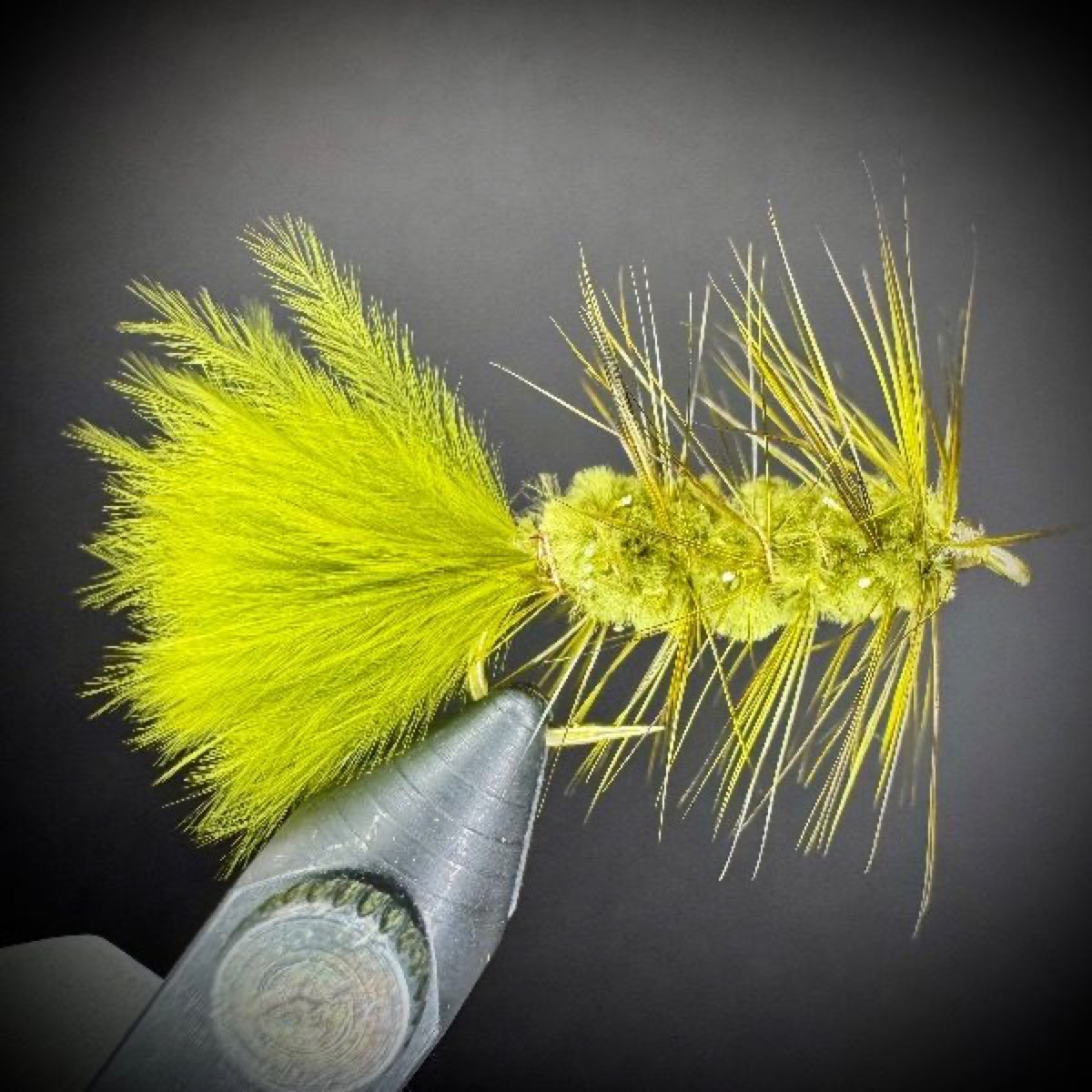
 FLY
FLY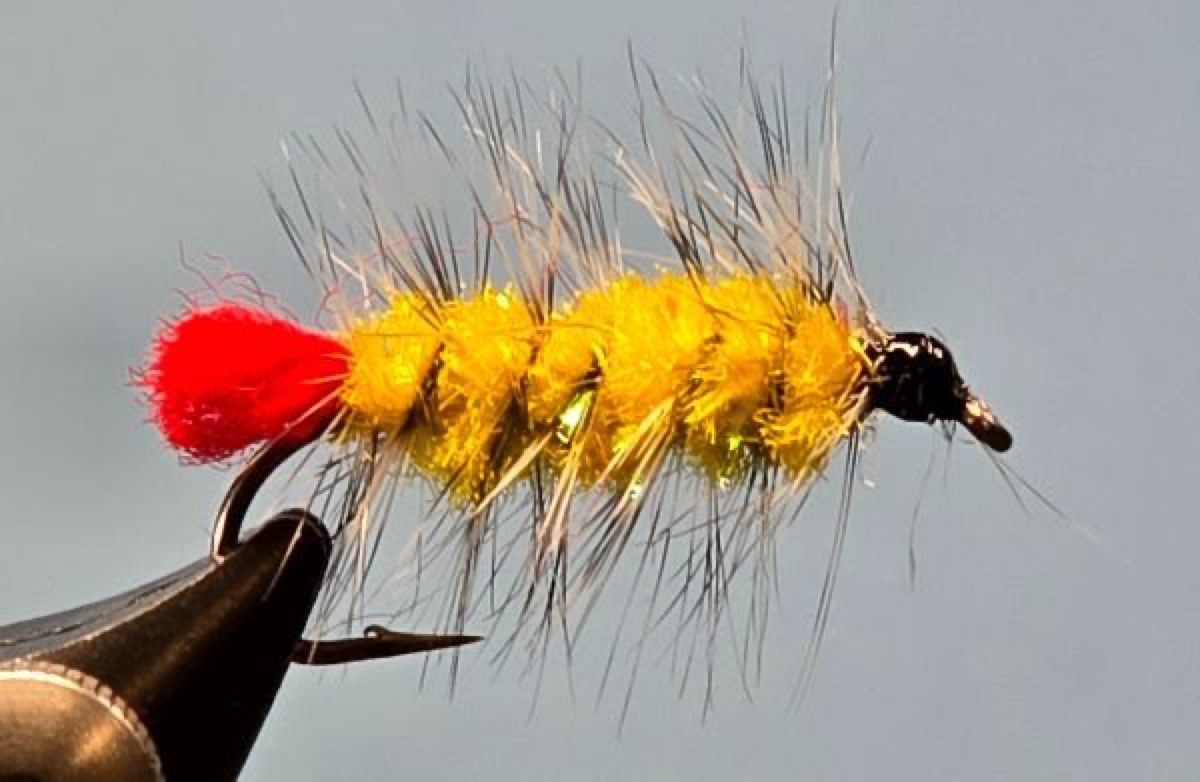
Streamer
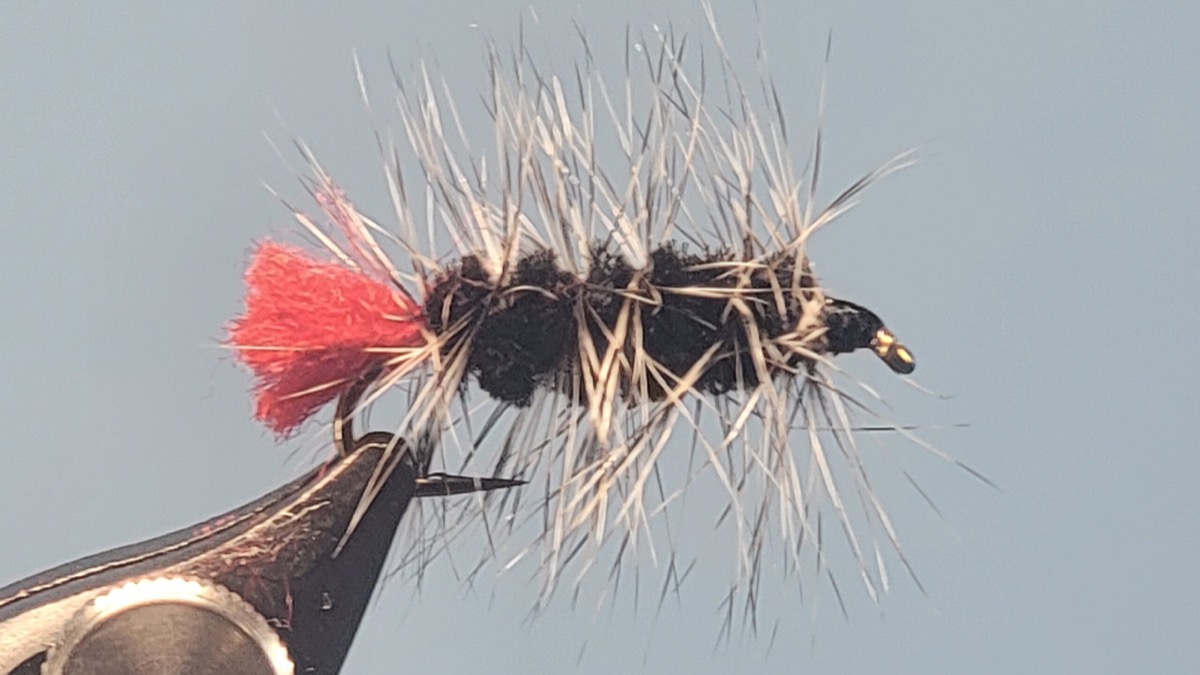
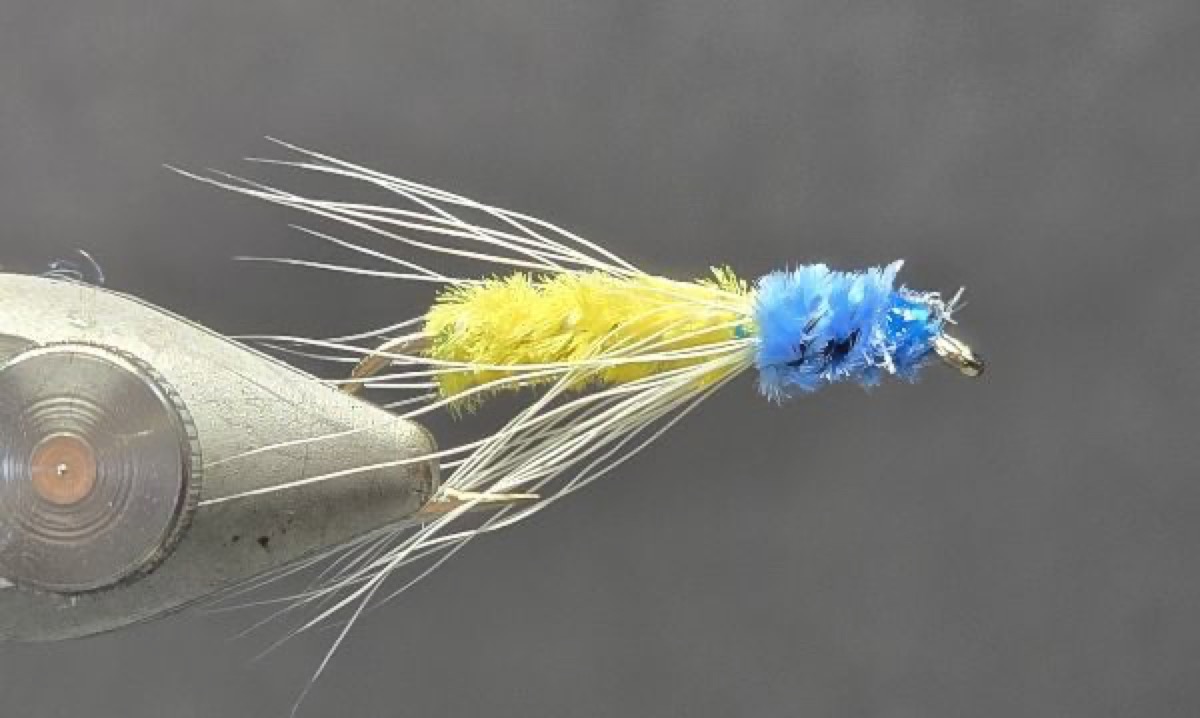
Woolly Worm
Tied by Darrell Olson
Woolly Worm recipe
| Hook | J2 235 Heavy 3X Long 3XL Nymph, Size 8 |
|---|---|
| Thread | 6/0 – Black |
| Tail | Red Wool |
| Rib | Ultra Wire, Hot Yellow, Brassie |
| Body Hackle | Metz Bugger Bunch Natural Grizzly |
| Body | Medium Yellow Woolly Bugger Chenille |
About this fly
The Woolly Worm is a classic streamer pattern used for trout, bass, and bluegill. It is best tied on a small streamer hook in sizes 4 – 8. The pattern is versatile and can be used under the surface of lakes, streams, rivers, and ponds. It imitates large aquatic nymphs such as stoneflies, dragonflies, and hellgrammites.
What the Woolly Worm imitates
- Dragonfly nymph
- Hellgrammite / dobsonfly larva
- Stonefly nymph
Tied for: Bass (general), Sunfish (general), Trout (general)
Where the Woolly Worm came from
- Originated by Unknown Ozark bass anglers, 1920, Ozarks (possibly Arkansas). Wikipedia: 1920s Ozark bass fly, creator unknown; Orvis says possibly an Arkansas bass fly.Source: Wikipedia: Woolly Worm (imitation)
- Popularized by Don Martinez, 1950, West Yellowstone, Montana. A Southerner sent him one in the 1950s; he tied and sold them commercially in the West. Wikipedia agrees.Source: Orvis News: How to Tie the Woolly Worm
- Derived from English Palmer fly, England. Palmer flies were popular by the 18th century.Source: Orvis News: How to Tie the Woolly Worm
- Originated by Don Martinez, West Yellowstone, Montana. Wikipedia bio says he is noted for the development and promotion of the Woolly Worm; the Woolly Worm article says creator unknown and Martinez popularized it.Source: Wikipedia: Don Martinez
Where sources tell it differently, each account is listed with its own source.
Inside the vault every material on this fly opens to its own card, and you can save the fly to your own boxes.