 FLY
FLY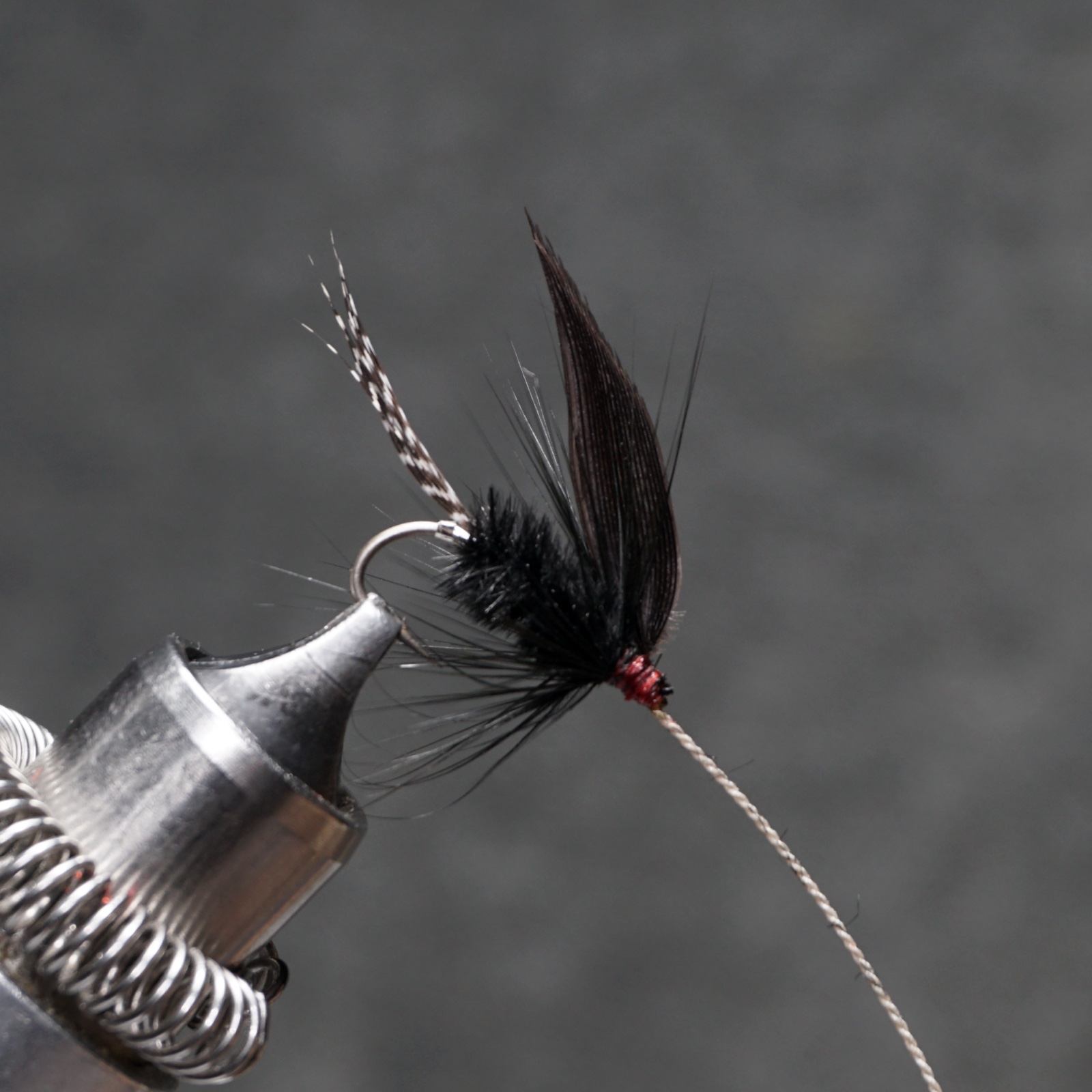
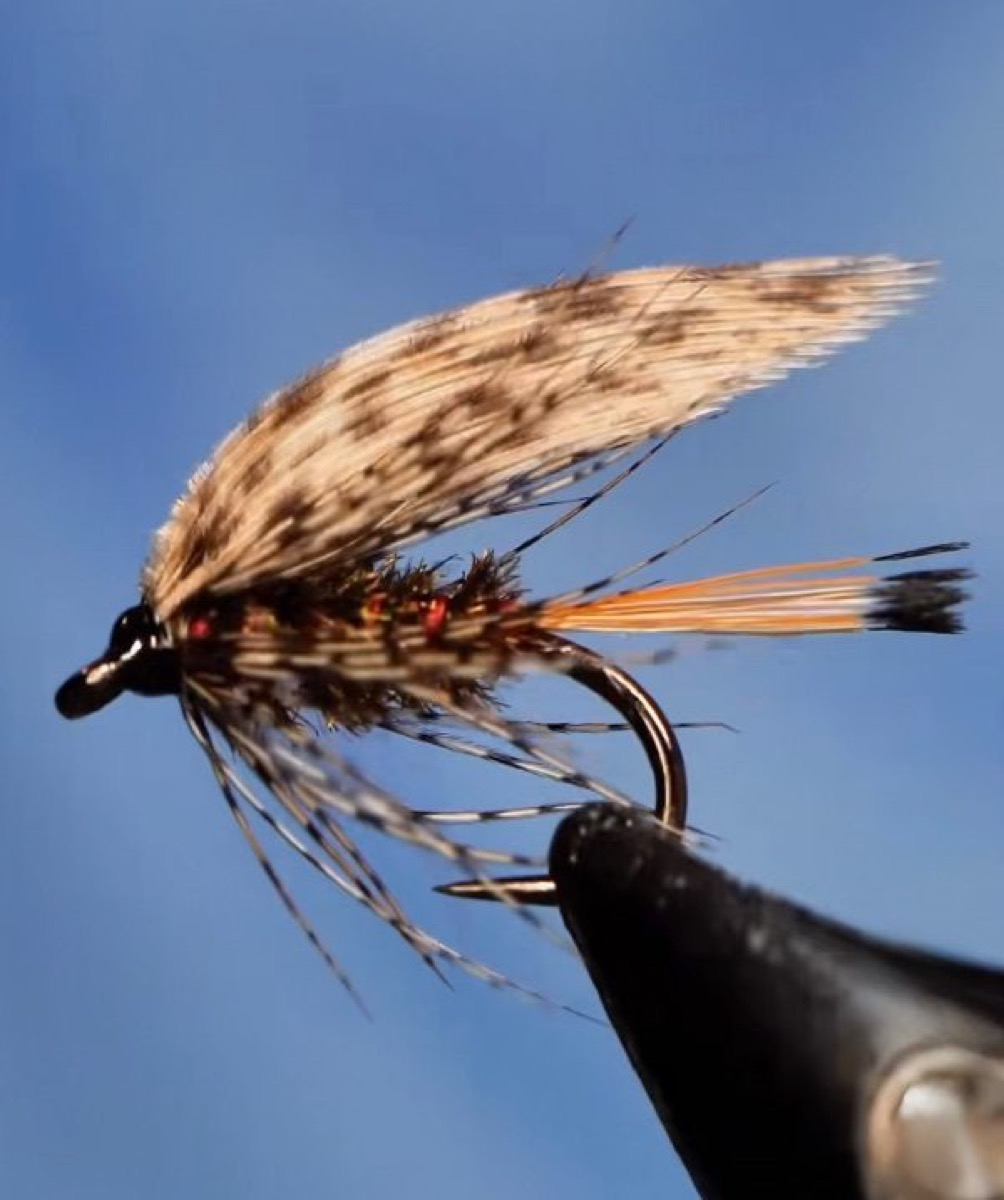
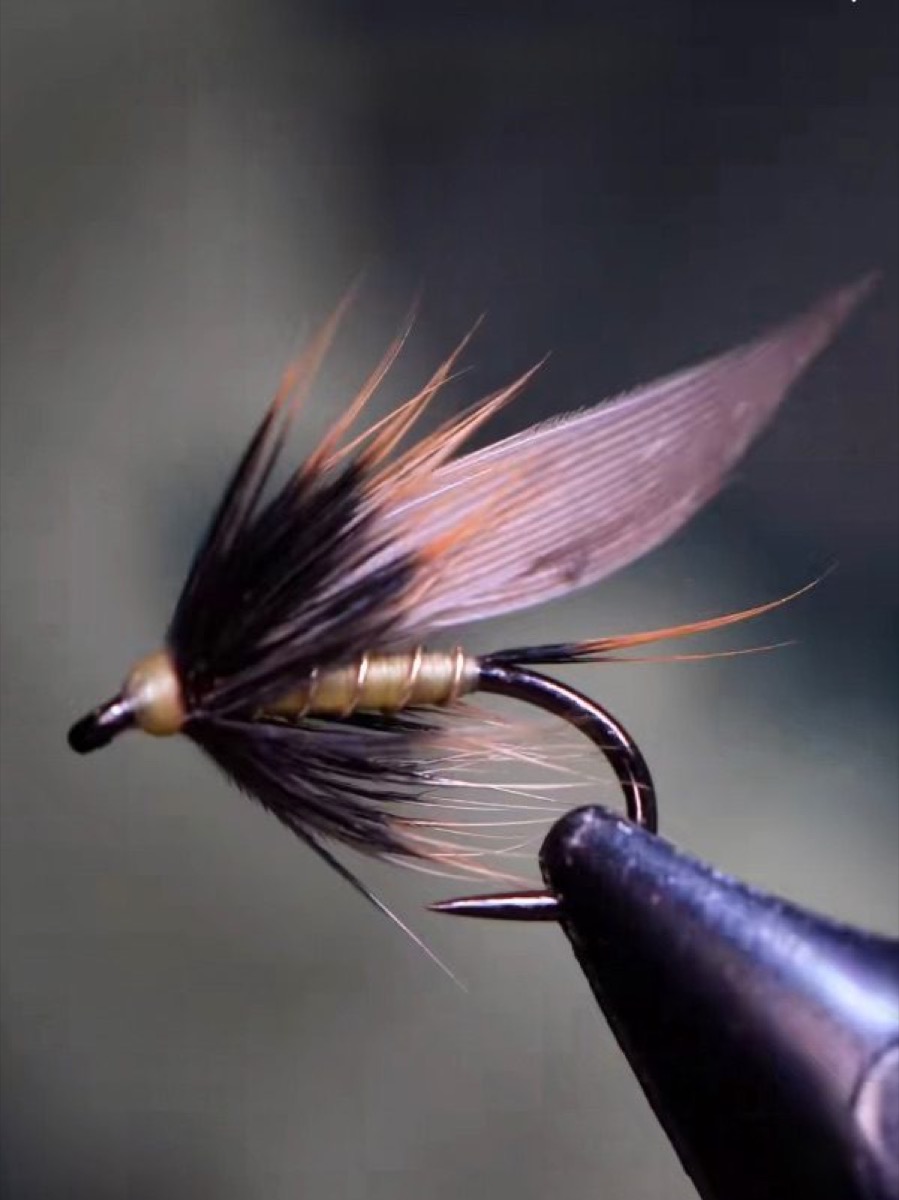
Silver Horns
Silver Horns recipe
| Hook | #6 sproat (blind and snelled) |
|---|---|
| Thread | Red silk with dark lacquered head |
| Tag | Silver flat tinsel |
| Tail | Teal flank |
| Body | Black Ostrich herl |
| Hackle | Black rooster saddle tied wet style |
| Wings | Black quill, i.e. rook / crow |
About this fly
About the video: Silver Horns: a classic wet trout fly from Favorite Flies and Their Histories by Mary Orvis Marbury Hook: #8 sproat (blind and snelled) Thread: red silk with dark lacquered head Tag: silver flat tinsel Tail: teal flank Body: black Ostrich herl Hackle: black rooster saddle tied wet style Wings: black quill
Pattern originator, as entered by the tyer: a classic wet trout fly (Plate U #207) from Favorite Flies and Their Histories by Mary Orvis Marbury
Where the Silver Horns came from
- Described by Alfred Ronalds, 1836, Derbyshire/Staffordshire, England (Dove, Blythe, Derwent). Black ostrich herl body, blackbird wing, small black cock hackle, mallard feather horns; buzz form ribbed silver.Source: Ronalds, The Fly-Fisher's Entomology (9th ed. 1883 text; orig. 1836), No.37 Flies for August
- Described by Mary Orvis Marbury, 1892. Illustrated and discussed by Marbury among her trout flies (no. 207). The chapter carries correspondents' letters on its origin and use; origin claims from those letters not yet extracted.Source: Marbury, Favorite Flies and Their Histories (1892), coloured plates, fly no. 207
Where sources tell it differently, each account is listed with its own source.
In the old books
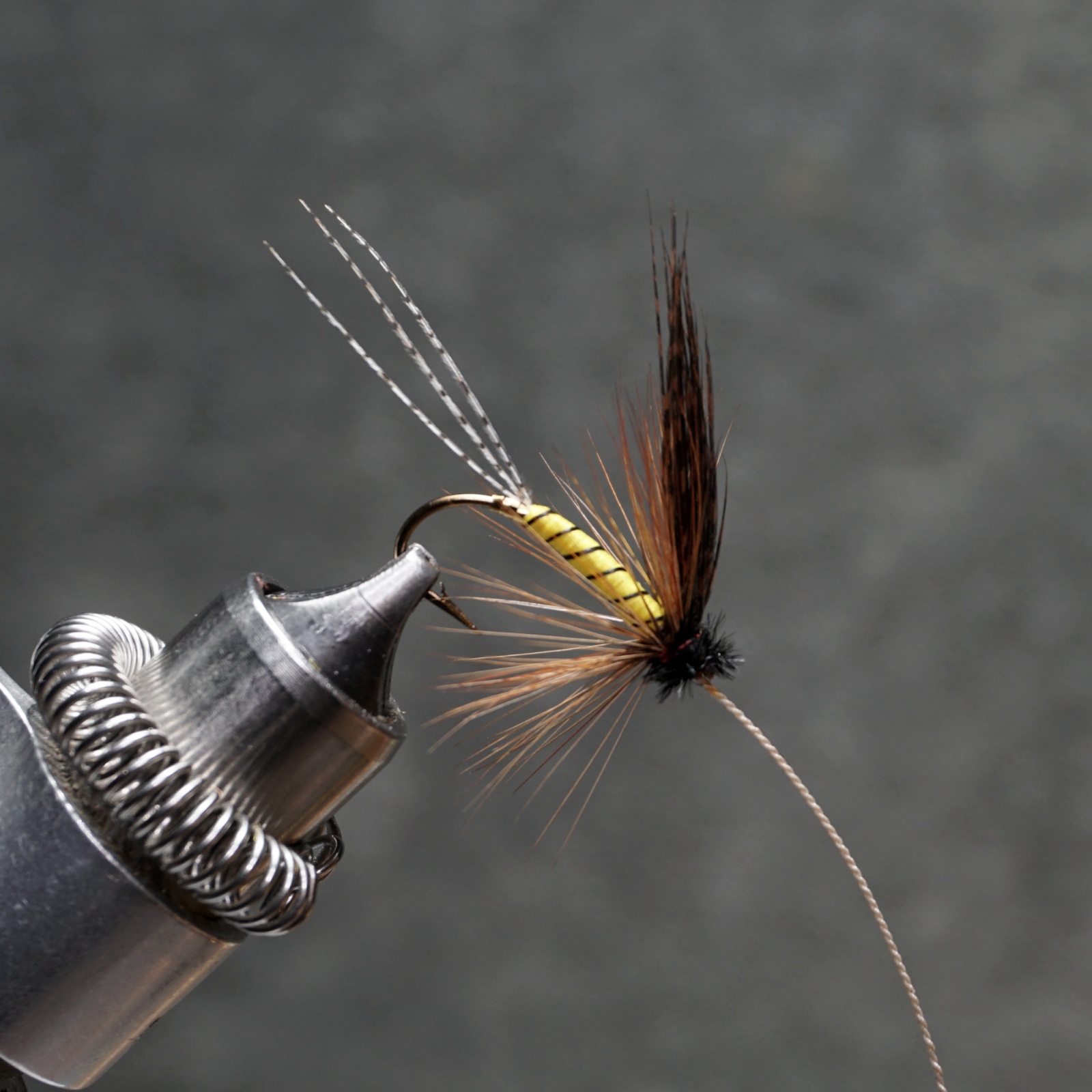
Original dressing as pictured in Marbury, Favorite Flies and Their Histories (1892), Plate U, No. 207. The photo above is a later tie, not the original.
Inside the vault every material on this fly opens to its own card, and you can save the fly to your own boxes.