 FLY
FLY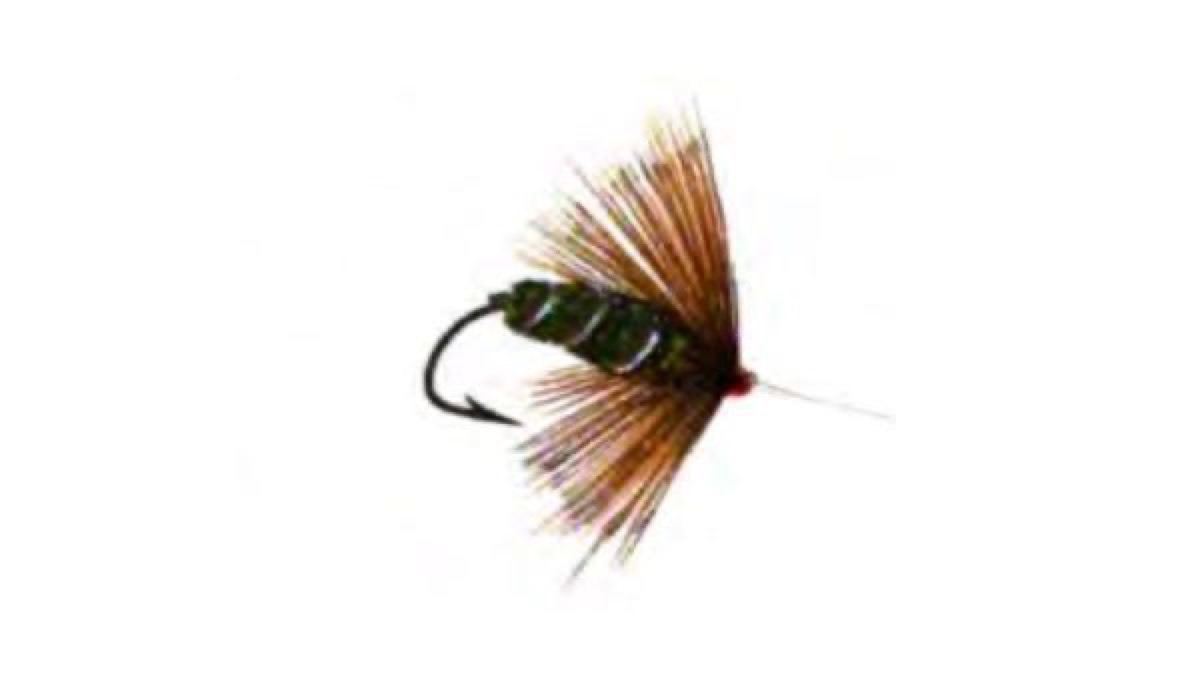
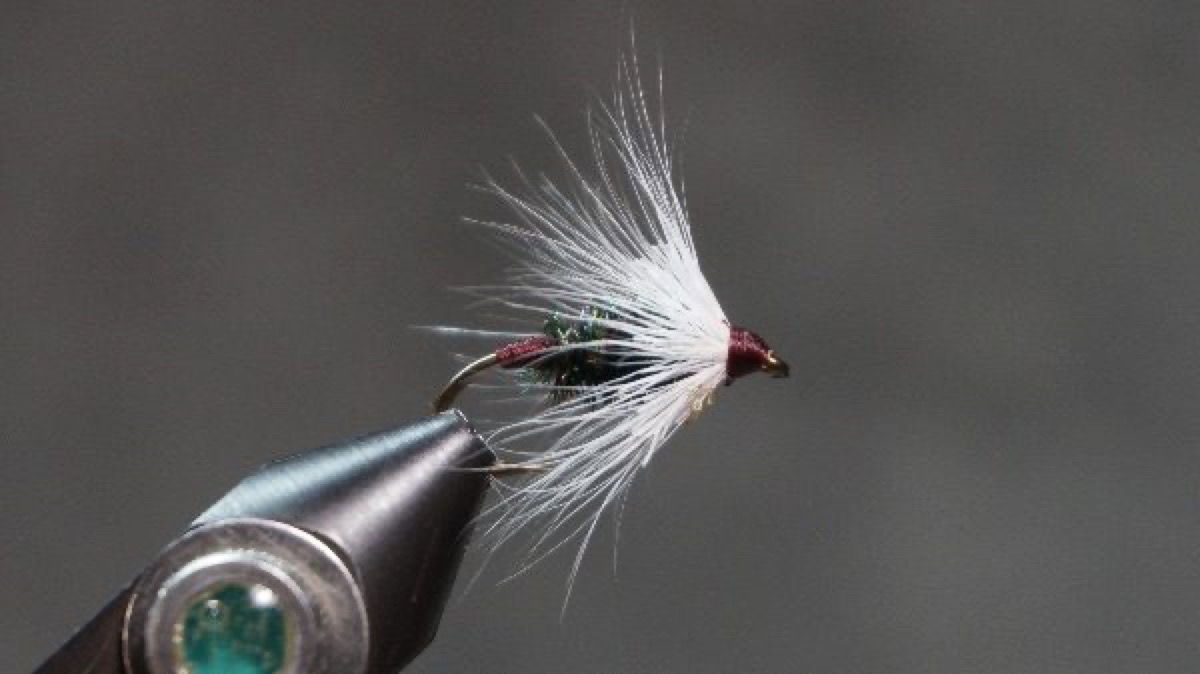
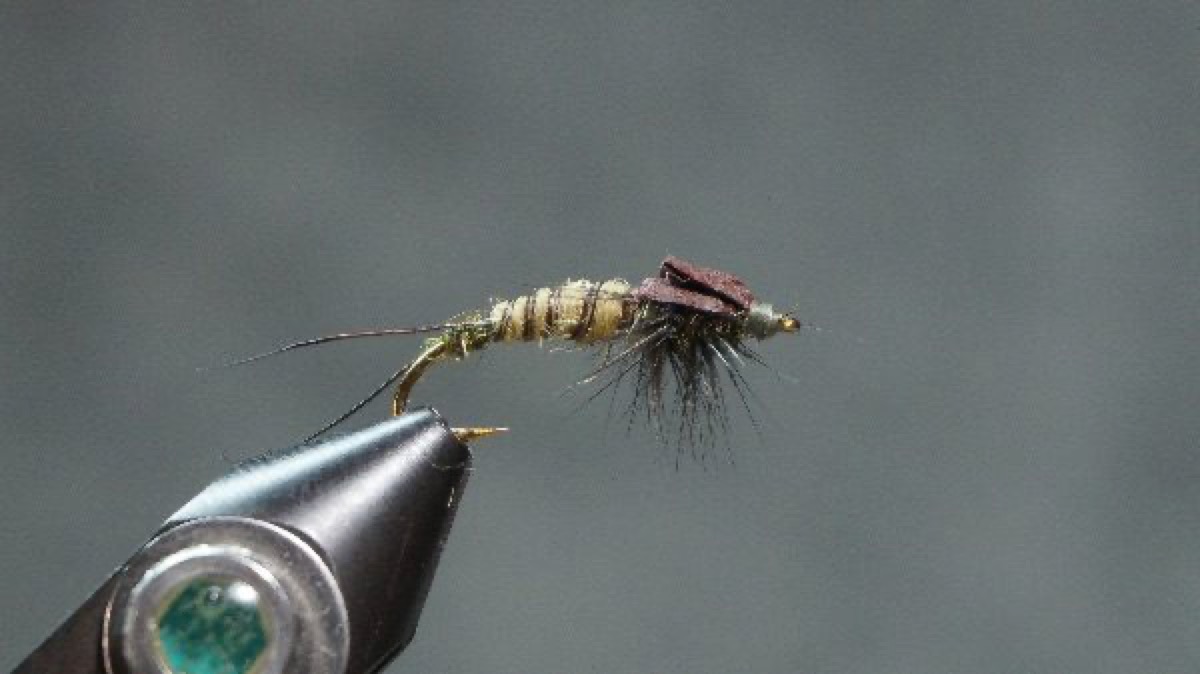
Coch-y-Bonddu
Coch-y-Bonddu recipe
| Hook | #12 - 14 wet / nymph |
|---|---|
| Thread | red |
| Tag | black silk thread |
| Rib | fine gold wire |
| Body | Peacock herl |
| Front Hackle | black and “red” soft hackle |
| Head | red thread |
About this fly
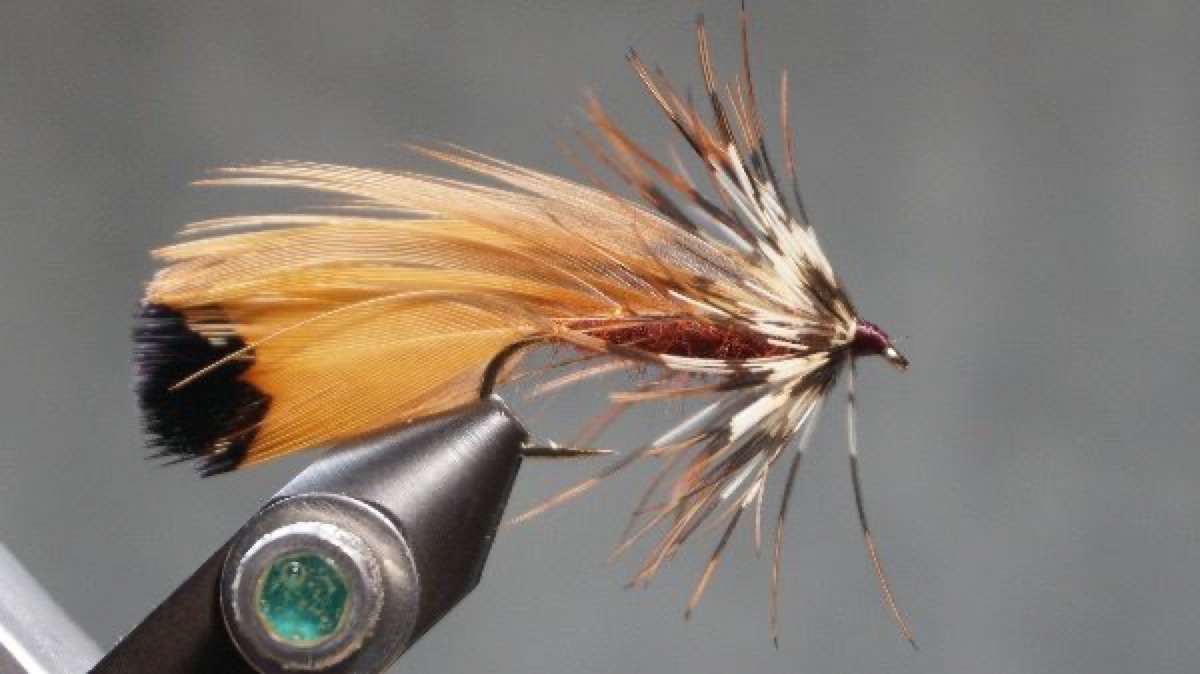
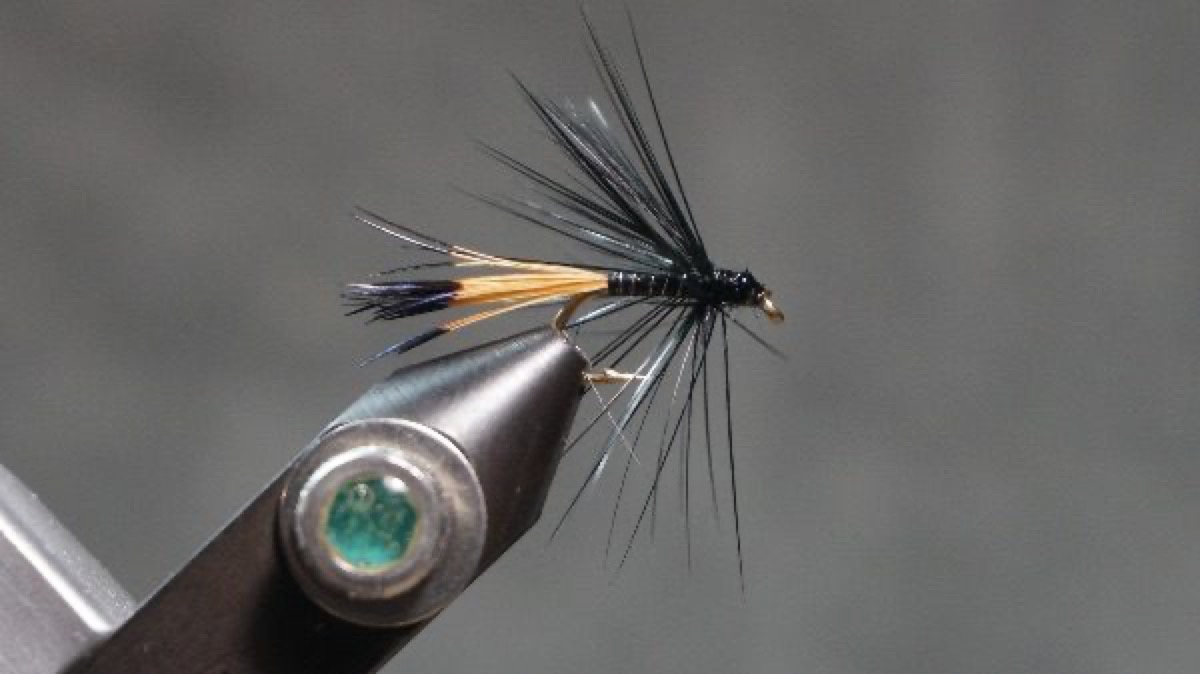
This fly is an old Welch pattern imitating an aquatic beetle. The attached illustration is by Charles Orvis in Favorite Flies and Their Histories (1892) by Mary Orvis Marbury. Lay down a base of red threadTie in length of black silk thread at the hook bend; wrap a tag with the black thread; tie off and clip extraTie in the gold wire to use as a ribTie in three or four strands of Peacock herl to the tag; touching wrap to an eye length behind eye (leave room for a front hackle); tie off; clip extraSpiral wrap the wire around the herl body; tie off; helicopter off (or clip) extraTie in a soft front hackle (traditionally used coch-y-bonddu feather that had black rim and center with red between the black); wrap to end of feather; catch in; pull back on hackle fibers and wrap back over feather end to make the head; clip or snap off extra hackle;Finish head; whip finish; head cement.
What the Coch-y-Bonddu imitates
- Coch-y-Bonddu (adult) Phyllopertha horticola
Where the Coch-y-Bonddu came from
- Described by Thomas Best, 1787, England. Earlier form under the name Shorn Fly, same beetle per later writers.Source: Best, A Concise Treatise on the Art of Angling (1787; c.1810 ed.), Ch. IV 'The Shorn Fly'
- Described by Charles Bowlker, 1792, England. Says it began as the Shorn Fly in the 1700s; Welsh name favoured from mid-1800s.Source: SWTU, Coch-y-Bonddu (Rusty Dunn), citing Bowlker, Art of Angling
- Described by T.C. Hofland, 1839, England. Earliest vault record under the Welsh name.Source: Hofland, The British Angler's Manual (1839), p.229 'Coch-a-bonddu'
- Originated by unknown, Wales / Britain. Welsh-named beetle pattern; no originator recorded.Source: Hofland, The British Angler's Manual (1839), p.229
Where sources tell it differently, each account is listed with its own source.
Inside the vault every material on this fly opens to its own card, and you can save the fly to your own boxes.