 FLY
FLY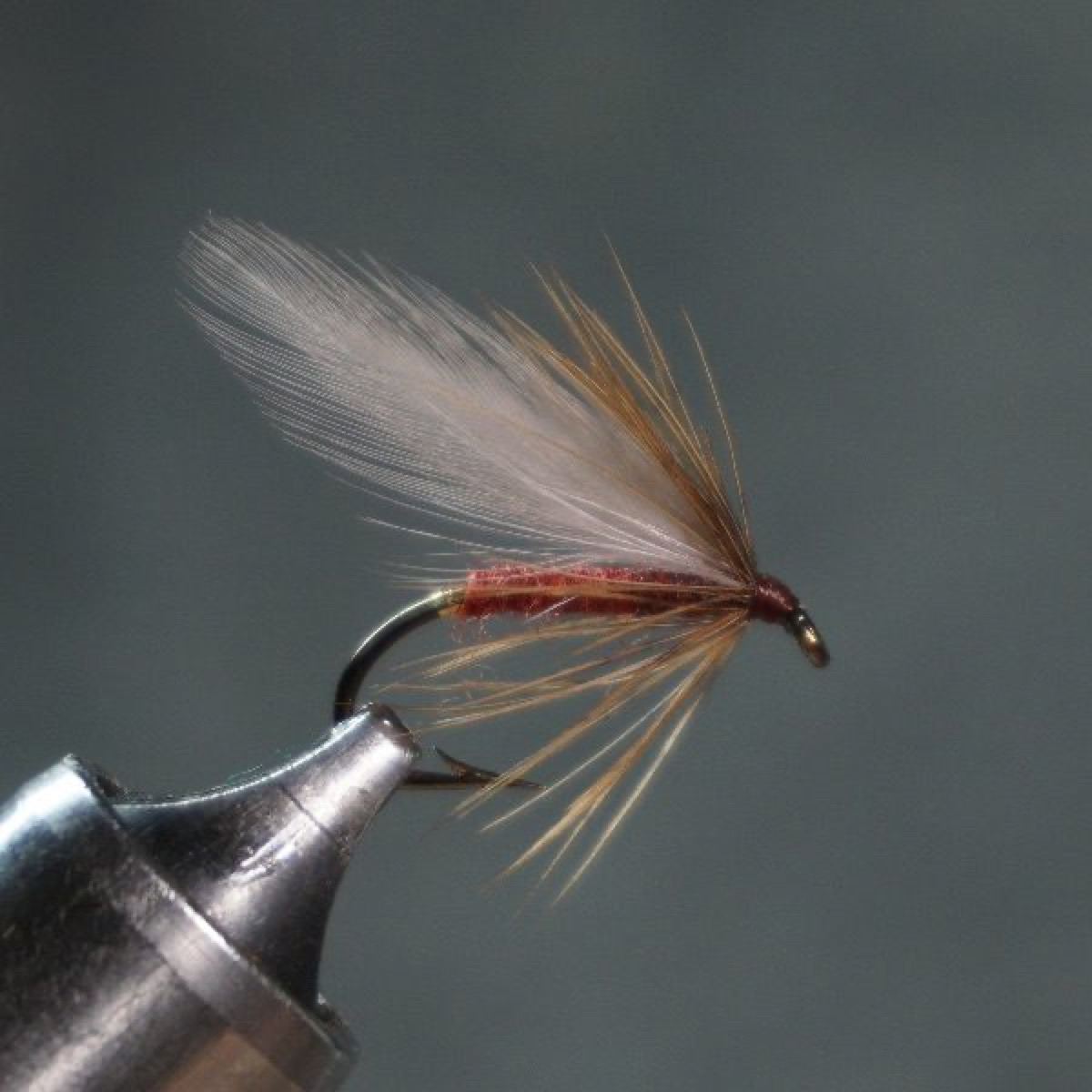
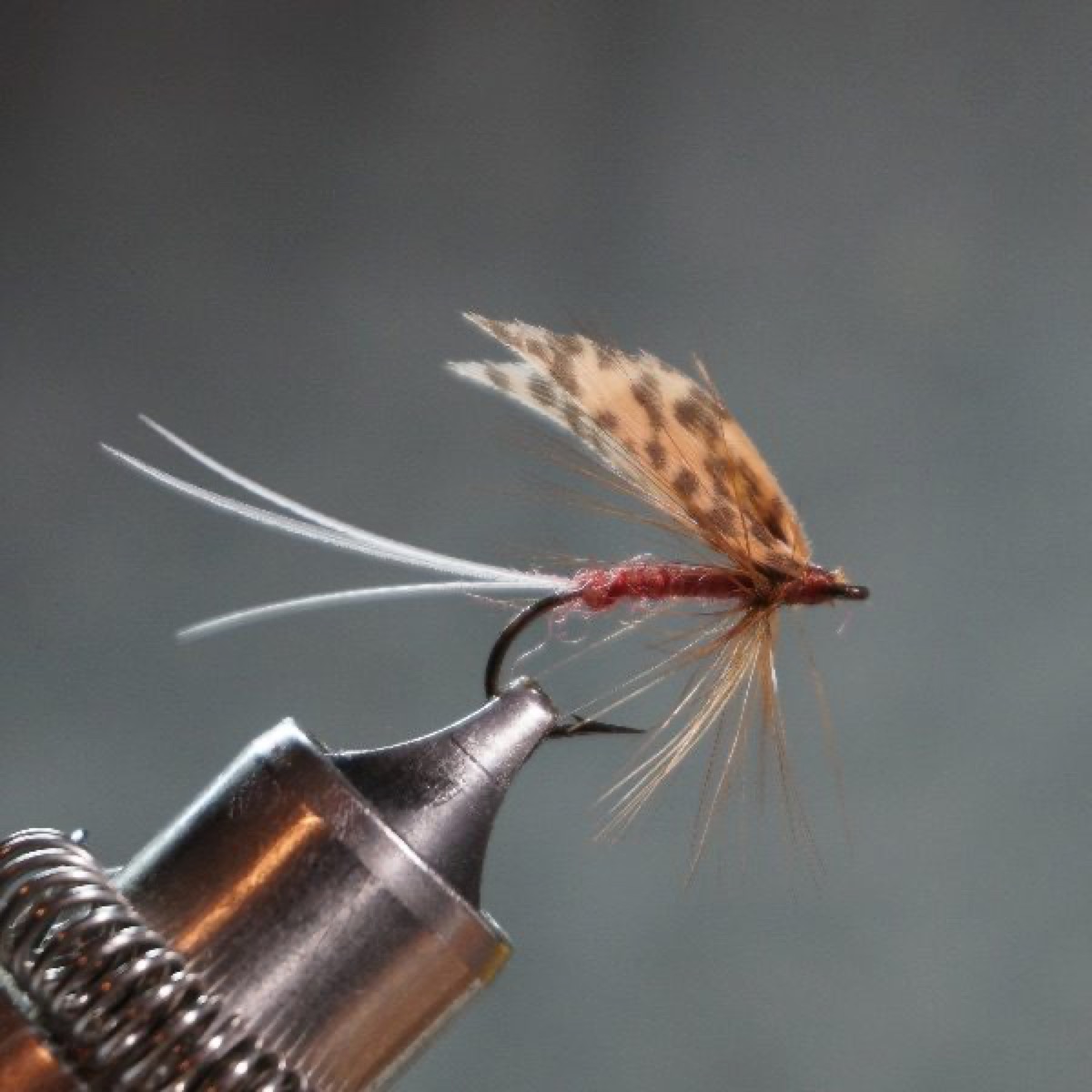
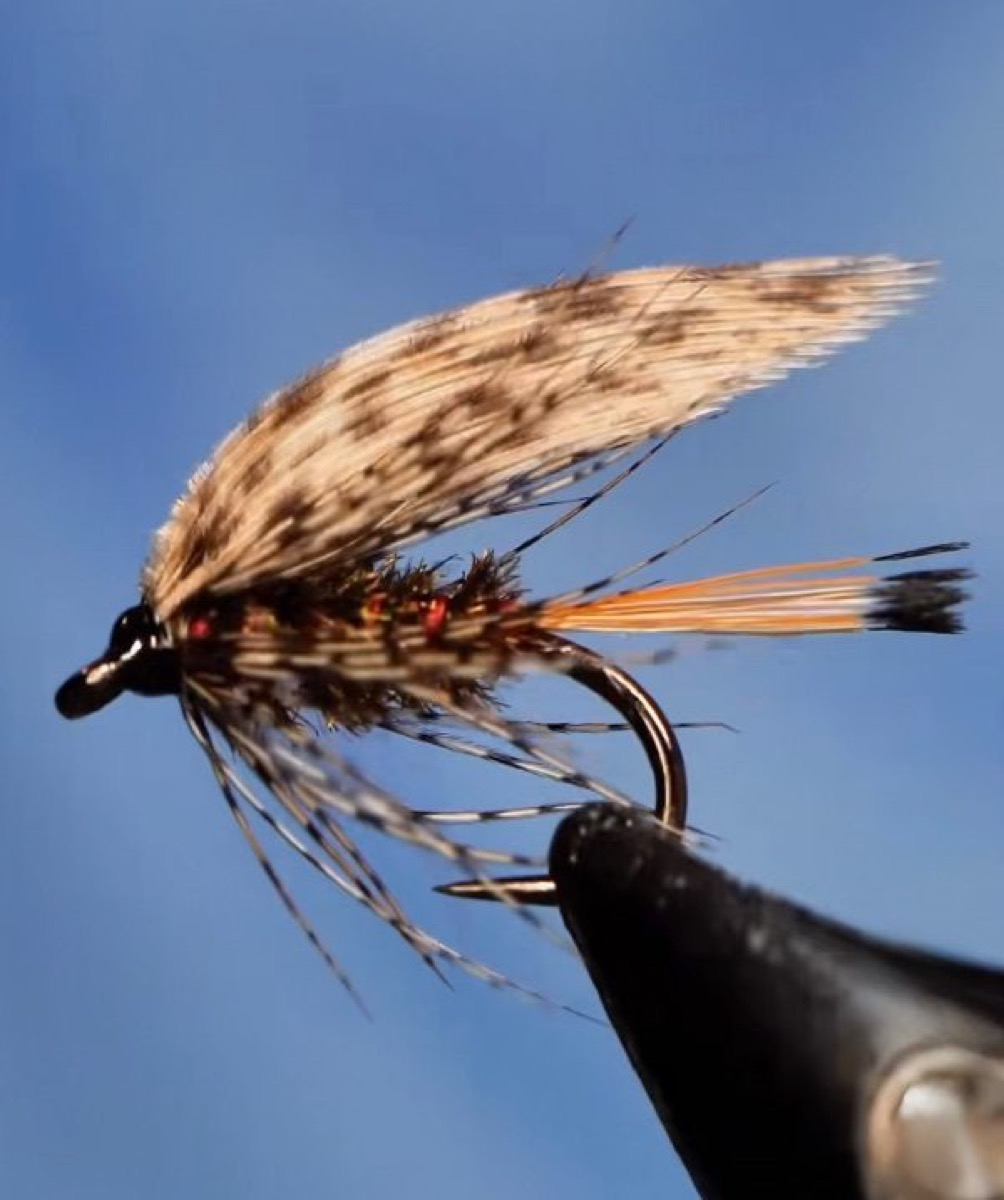
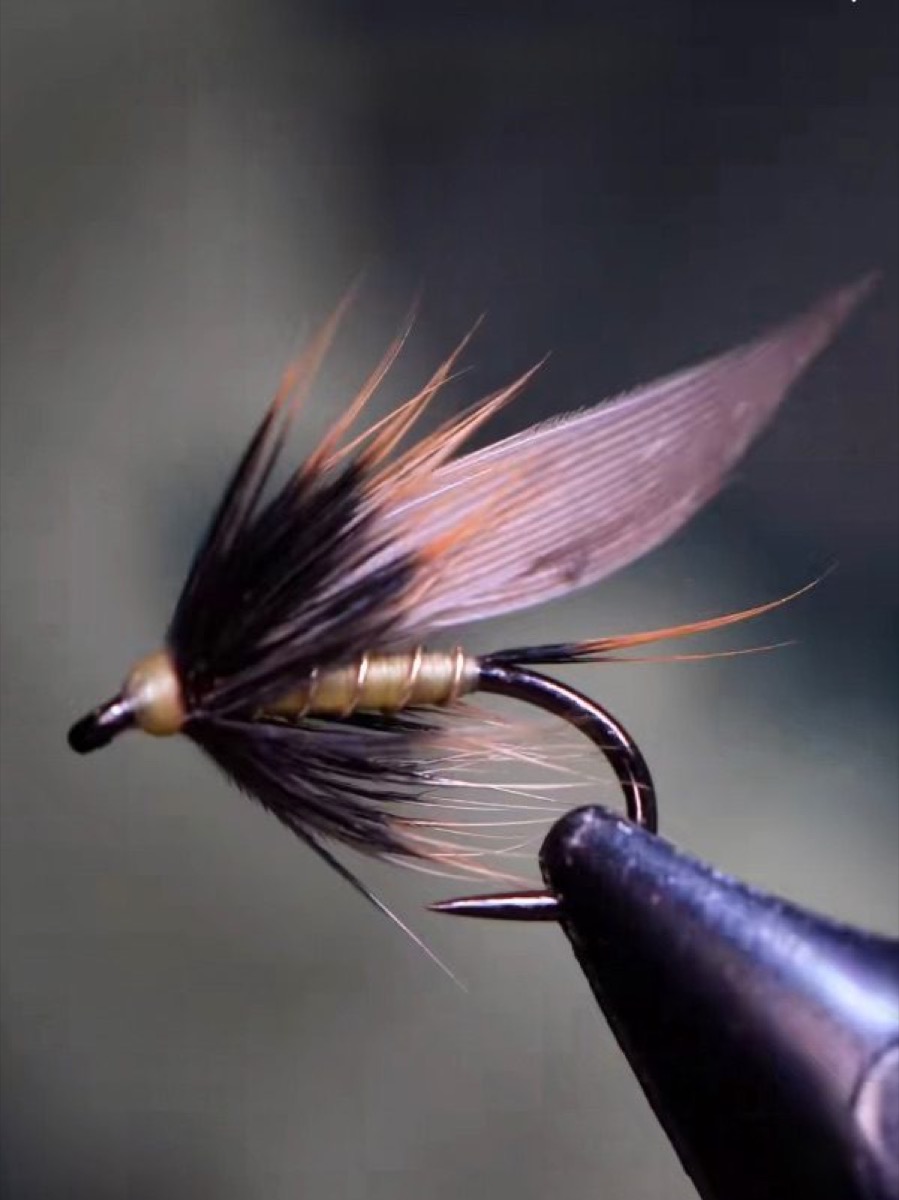
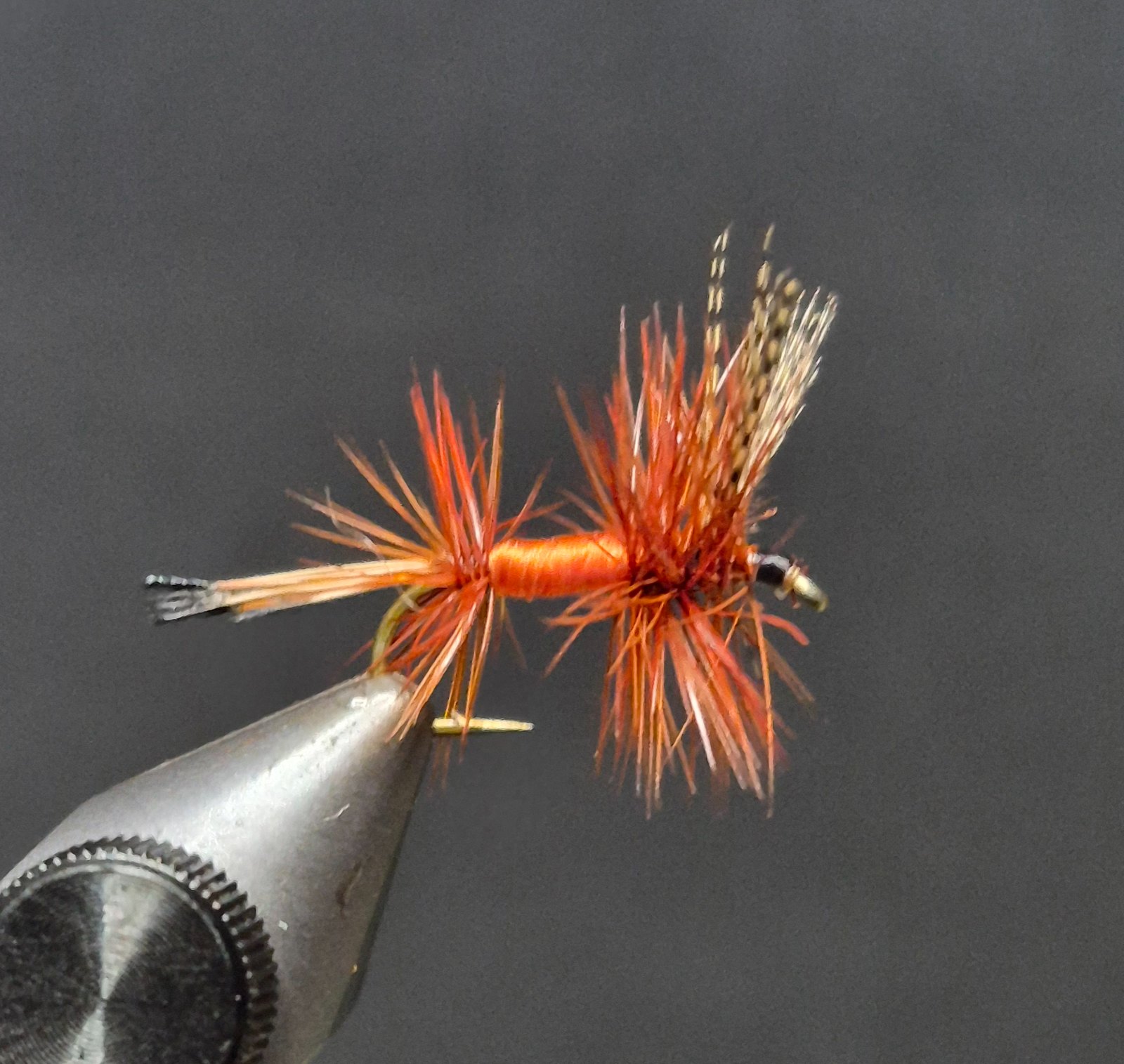
Classic Wet Fly
Caperer
Tied by Christian Andrews
Caperer recipe
| Hook | #8 |
|---|---|
| Thread | rusty brown |
| Tag | gold tinsel |
| Body | rusty brown wool |
| Wings | dun hackle tips |
| Hackle | brown hen |
About this fly
The ingredients here are a guess from the illustration of the Caperer in Favorite Flies and Their Histories (1892) by Mary Orvis Marbury. The wing could also be tied with duck, turkey, or goose quill.
Where the Caperer came from
- Described by Francis Francis, 1867, England. Listed among June flies.Source: Francis, A Book on Angling (Maxwell ed.), June list & index p.169
- Described by F.M. Halford, 1897, England. Anglers' name for cinnamon caddis with blotched wings, e.g. Halesus radiatus; may refer to its dipping flight.Source: Halford, Dry Fly Entomology (1897), p.84
- Originated by William J. Lunn, 1917, Houghton Club, River Test. Applies only to Lunn's Hackle Caperer variant, first used 17 May 1917.Source: Lunn's Flies: Hackle Caperer
- Originated by unknown, England. Traditional sedge pattern; no originator in vault.Source: Francis, A Book on Angling (Maxwell ed.), June flies list
Where sources tell it differently, each account is listed with its own source.
In the old books
Original dressing as pictured in Marbury, Favorite Flies and Their Histories (1892), Plate N, No. 111. The photo above is a later tie, not the original.
Inside the vault every material on this fly opens to its own card, and you can save the fly to your own boxes.