 FLY
FLY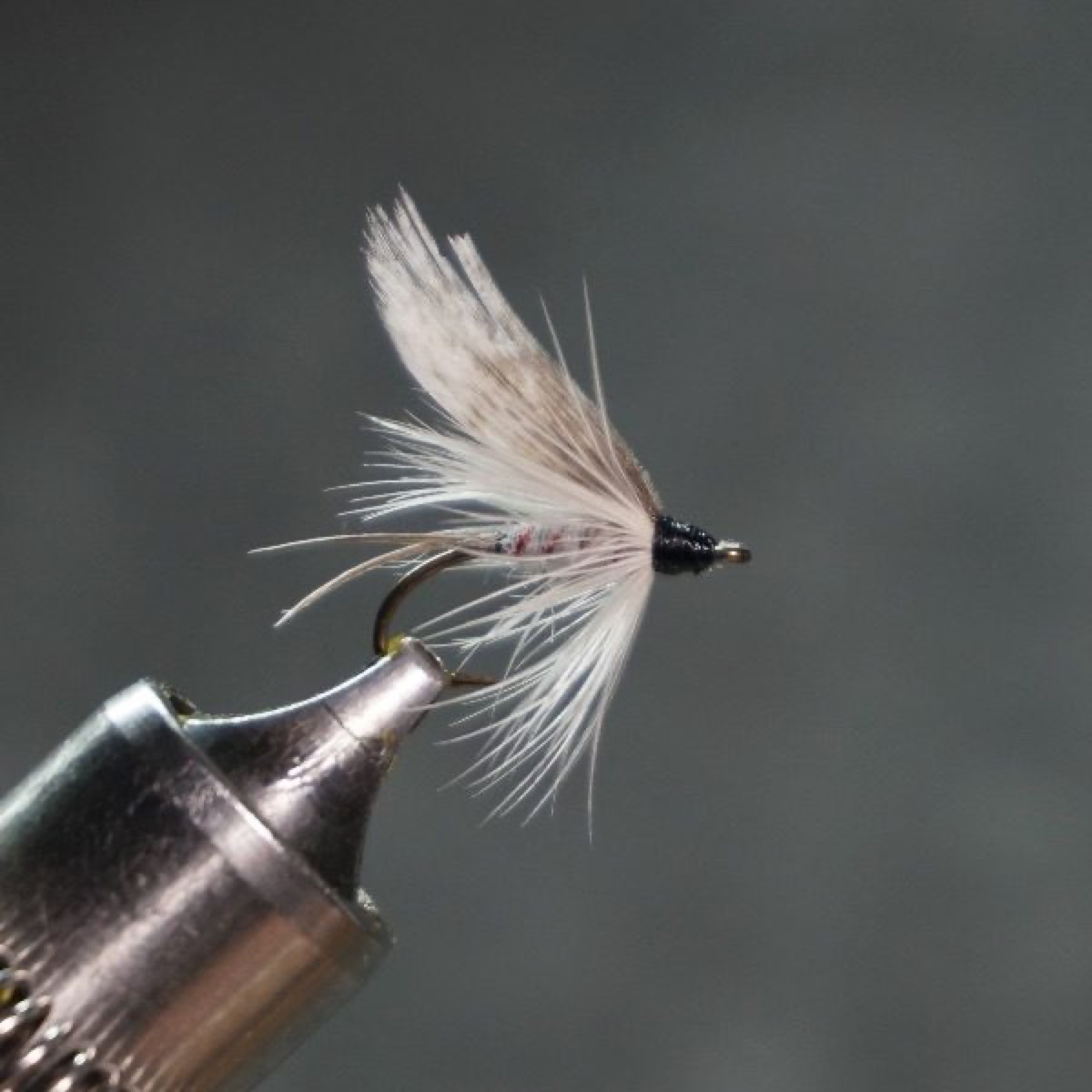
Classic Wet Fly
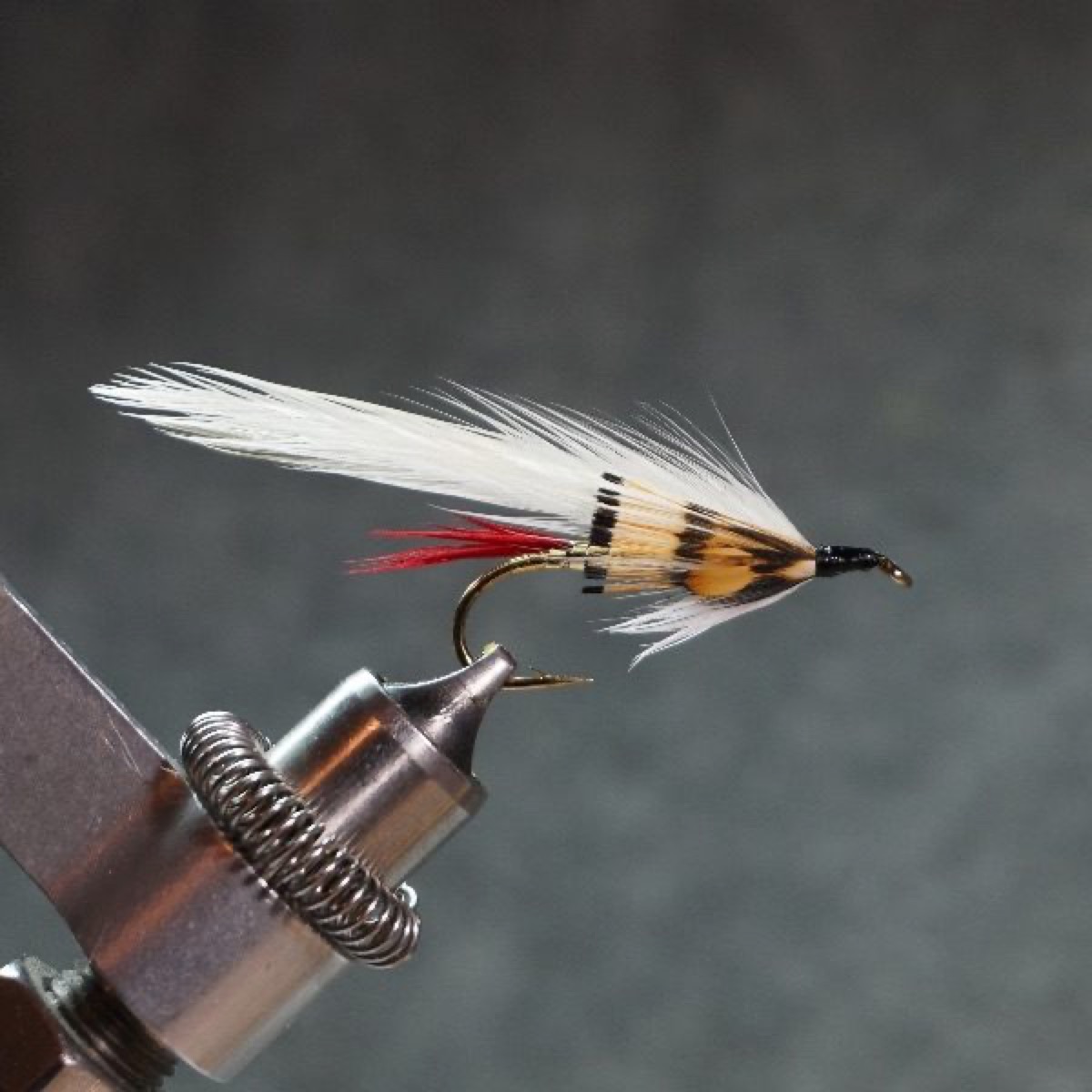
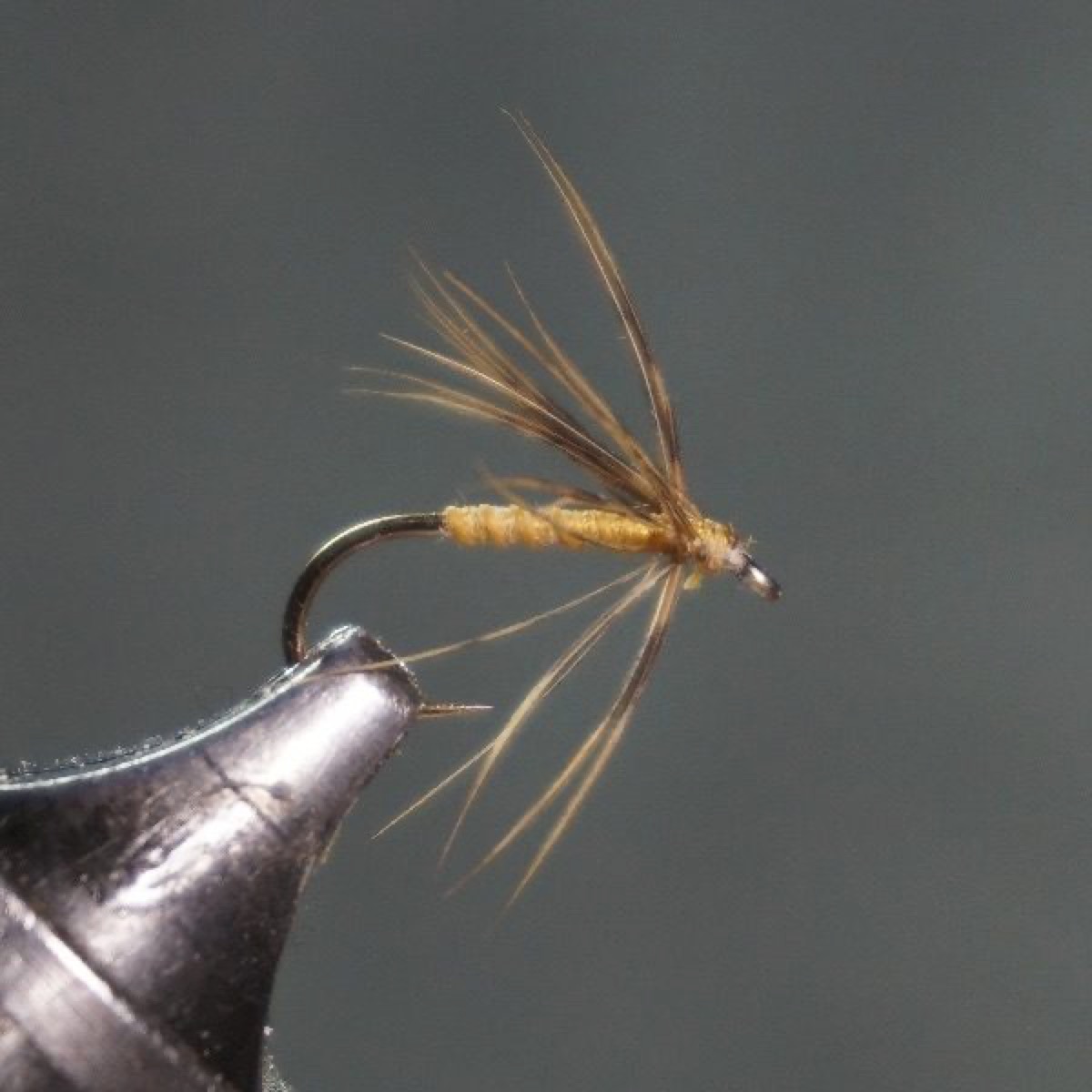
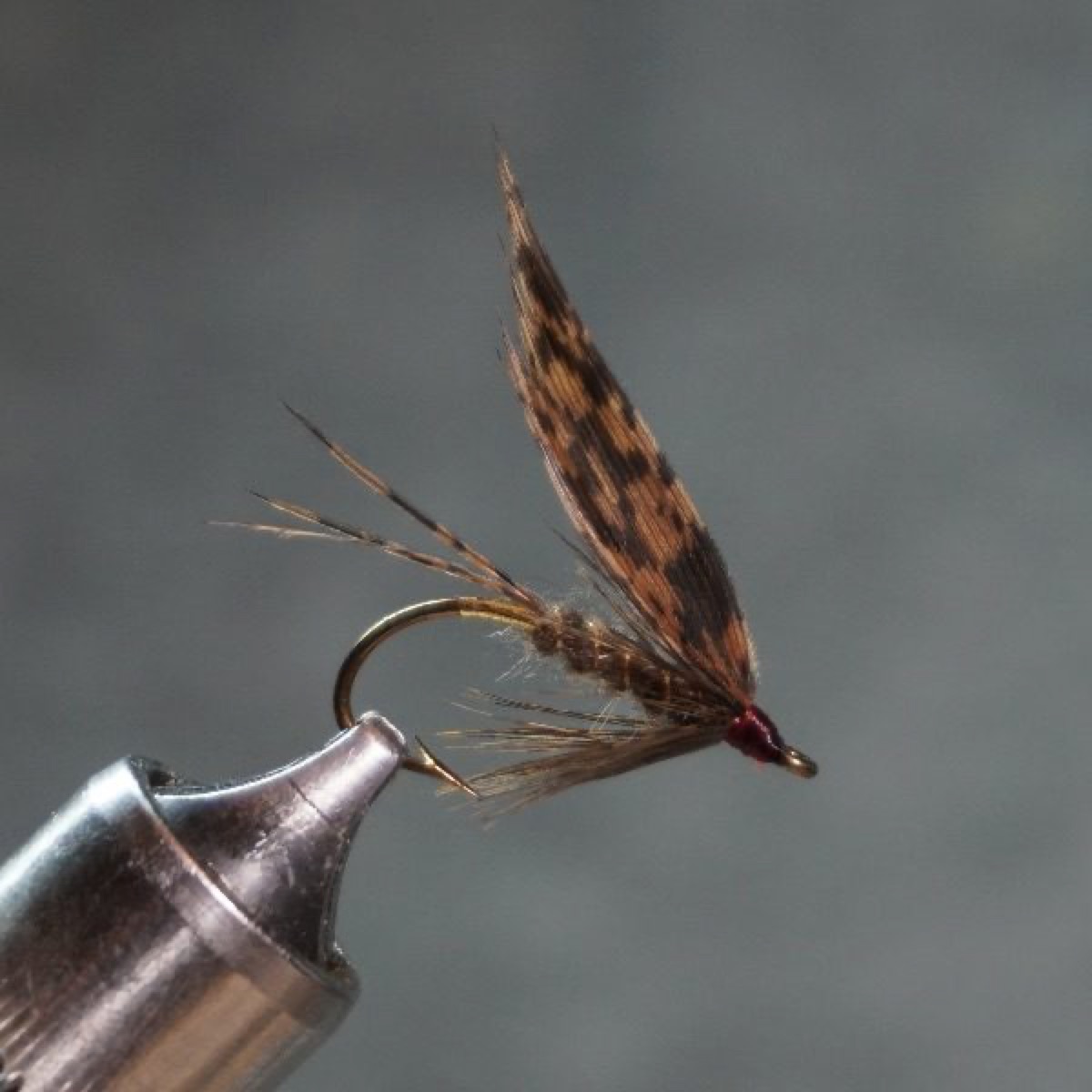
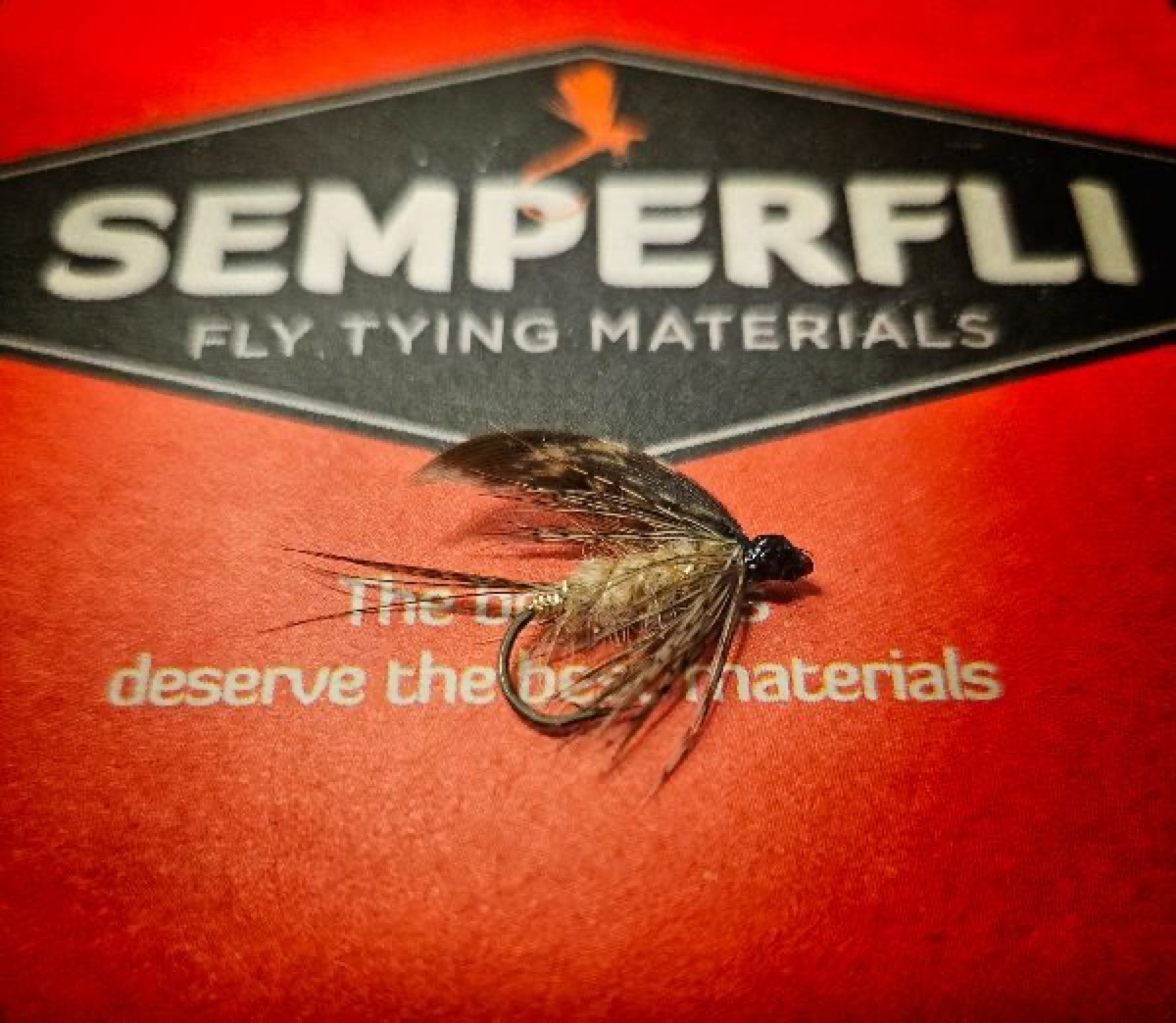
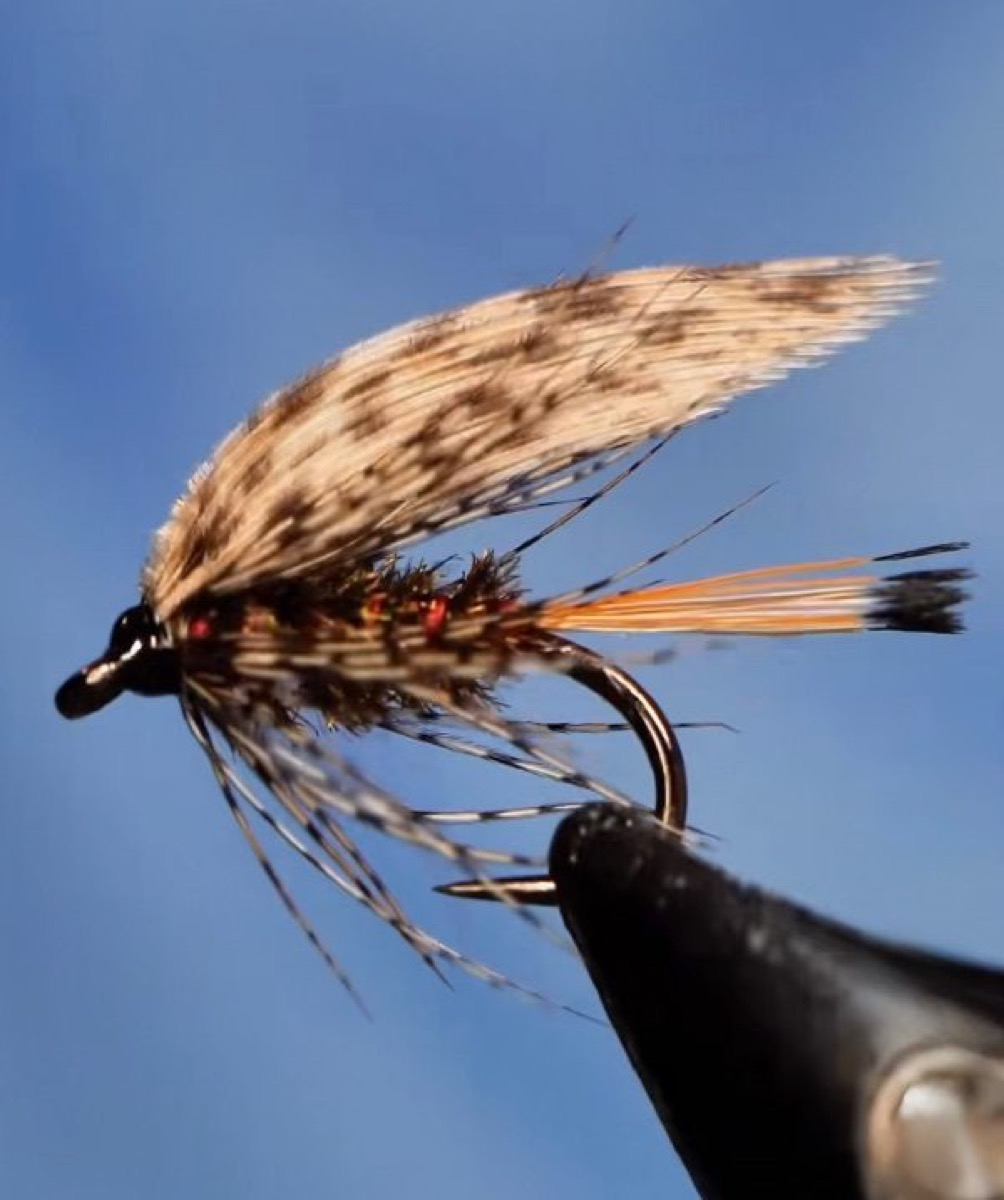
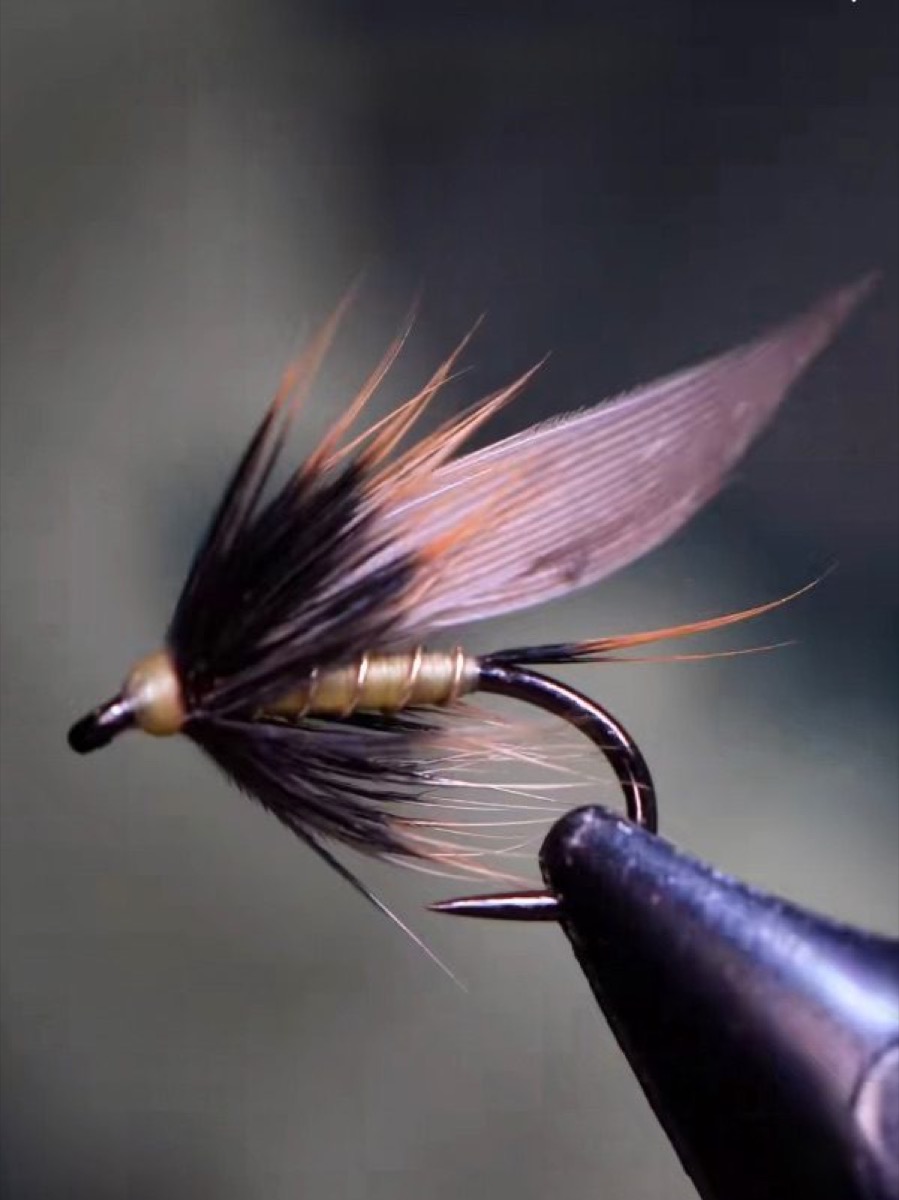
Camlet Dun
Tied by Christian Andrews
Camlet Dun recipe
| Hook | #10 sproat |
|---|---|
| Thread | black |
| Tail | two dark mallard wing barbs, split |
| Rib | red thread |
| Body | light gray wool dubbing |
| Hackle | white or cream hen |
| Wings | light gray or cream duck wing quill |
About this fly
from Favorite Flies and Their Histories (1892) by Mary Orvis Marbury see also Flies by J. Edson Leonard for ingredients list
What the Camlet Dun imitates
- Mayfly dun (adult dry) (dun)
Tied for: Trout (general)
Where the Camlet Dun came from
- Described by Charles Cotton, 1676. Camlet-Fly dressed with dark brown shining camlet ribbed light green silk; Cotton also dibbed the natural for grayling.Source: Cotton, The Compleat Angler Part II (1676), Elliot ed., May list No.16 and Ch.V natural fly
- Described by Mary Orvis Marbury, 1892. Explains the name: Explains name: originally the Camlet fly, from camlet wool (camel's hair) used in the body; cites Cotton.Source: Marbury, Favorite Flies and Their Histories (1892), Plate O No.125, p.261-262
- Described by Thomas Best. Repeats Cotton's Camlet-fly dressing in his May list.Source: Best, A Concise Treatise on the Art of Angling (vault copy c.1810 ed.; first pub. 1787), May list No.6, p.114
- Originated by unknown, Derbyshire, England. Traditional; first appears as Cotton's 'Camlet-Fly', a moth-like May/June fly.Source: Cotton, The Compleat Angler Part II (1676), Elliot ed., May list No.16
Where sources tell it differently, each account is listed with its own source.
In the old books
Original dressing as pictured in Marbury, Favorite Flies and Their Histories (1892), Plate O, No. 125. The photo above is a later tie, not the original.
Inside the vault every material on this fly opens to its own card, and you can save the fly to your own boxes.