 FLY
FLY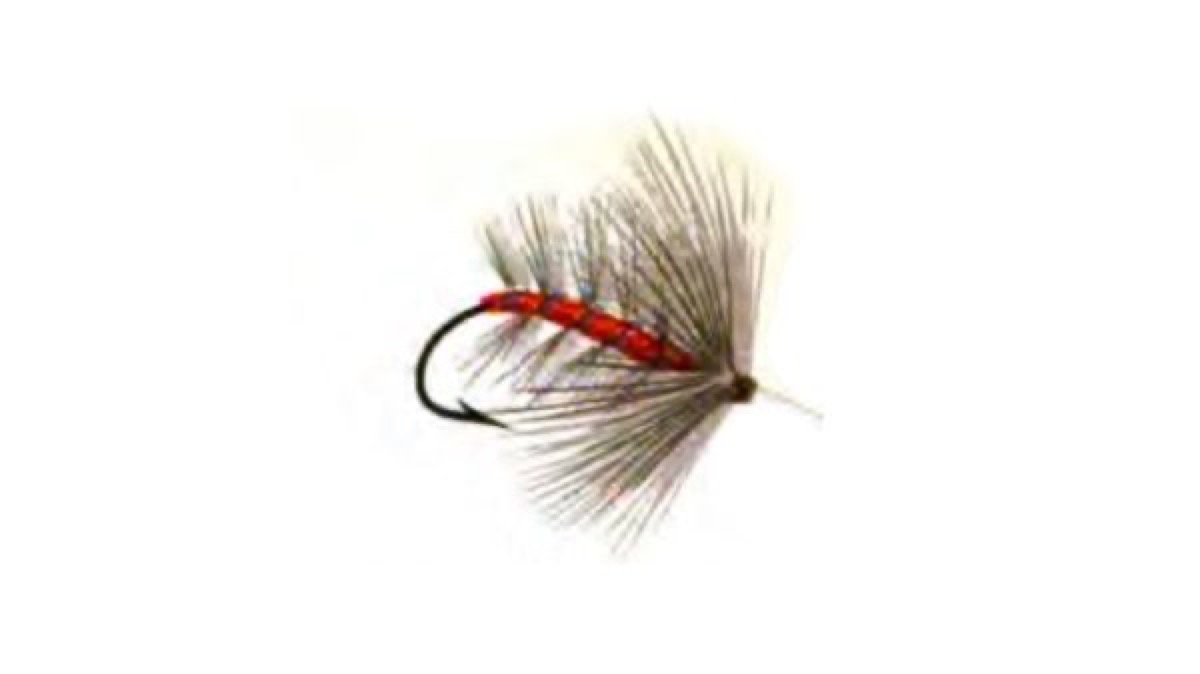
Ashy
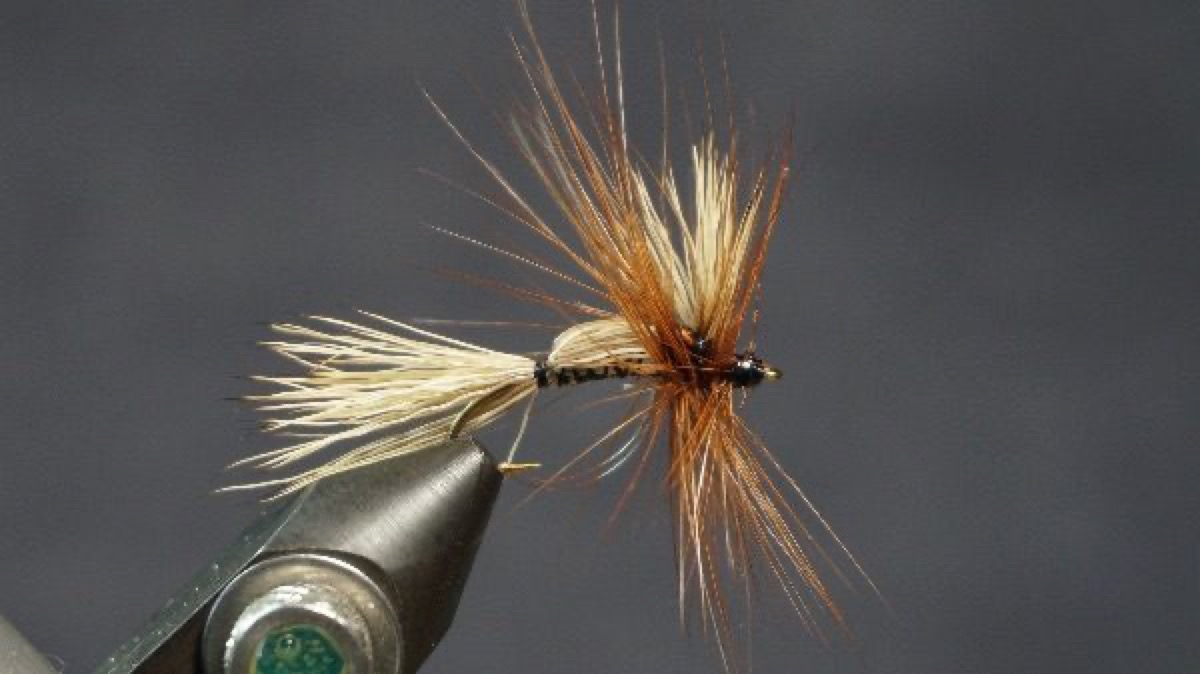
Ashy recipe
| Hook | #12-16 dry |
|---|---|
| Thread | black |
| Body Hackle | light dun |
| Body | orange or red - wool, dubbing |
| Front Hackle | light dun |
About this fly
This Ashy is from Favorite Flies by Mary Orvis Marbury (1892) Mary did not give a recipe for this fly except to say it was used to imitate caterpillars and tied with either a red or orange body and light dun or light ash hackle. She said light dun / light ash hackle feathers were worth their weight in gold because of how rare they were in the late 1800’s. Use a dry fly hook of desired sizeLay down a base of black thread (per the illustration by Charles Orvis that shows a black head)Tie in a dun hackle with fibers shorter than the hook gap by the tip shiny side out at the hook bendDub an orange bodyPalmer the hackle in spiraling wraps over the body (tie off, clip extra)Tie in and wrap a tight front hackle with fibers 1.5 hook gap; tie off; clip butt stemWrap in a black thread headWhip finish; head cement
What the Ashy imitates
- Inchworm / caterpillar
Where the Ashy came from
- Described by Mary Orvis Marbury, 1892. Represents a caterpillar: orange or red body palmered with a dun or ash-coloured hackle, hence the name.Source: Marbury, Favorite Flies and Their Histories (1892), Plate A No.3, hackle histories
- Originated by unknown. Caterpillar palmer; no maker recorded.Source: Marbury, Favorite Flies and Their Histories (1892), Plate A No.3
Where sources tell it differently, each account is listed with its own source.
In the old books
Original dressing as pictured in Marbury, Favorite Flies and Their Histories (1892), Plate A, No. 3. The photo above is a later tie, not the original.
Inside the vault every material on this fly opens to its own card, and you can save the fly to your own boxes.