 FLY
FLY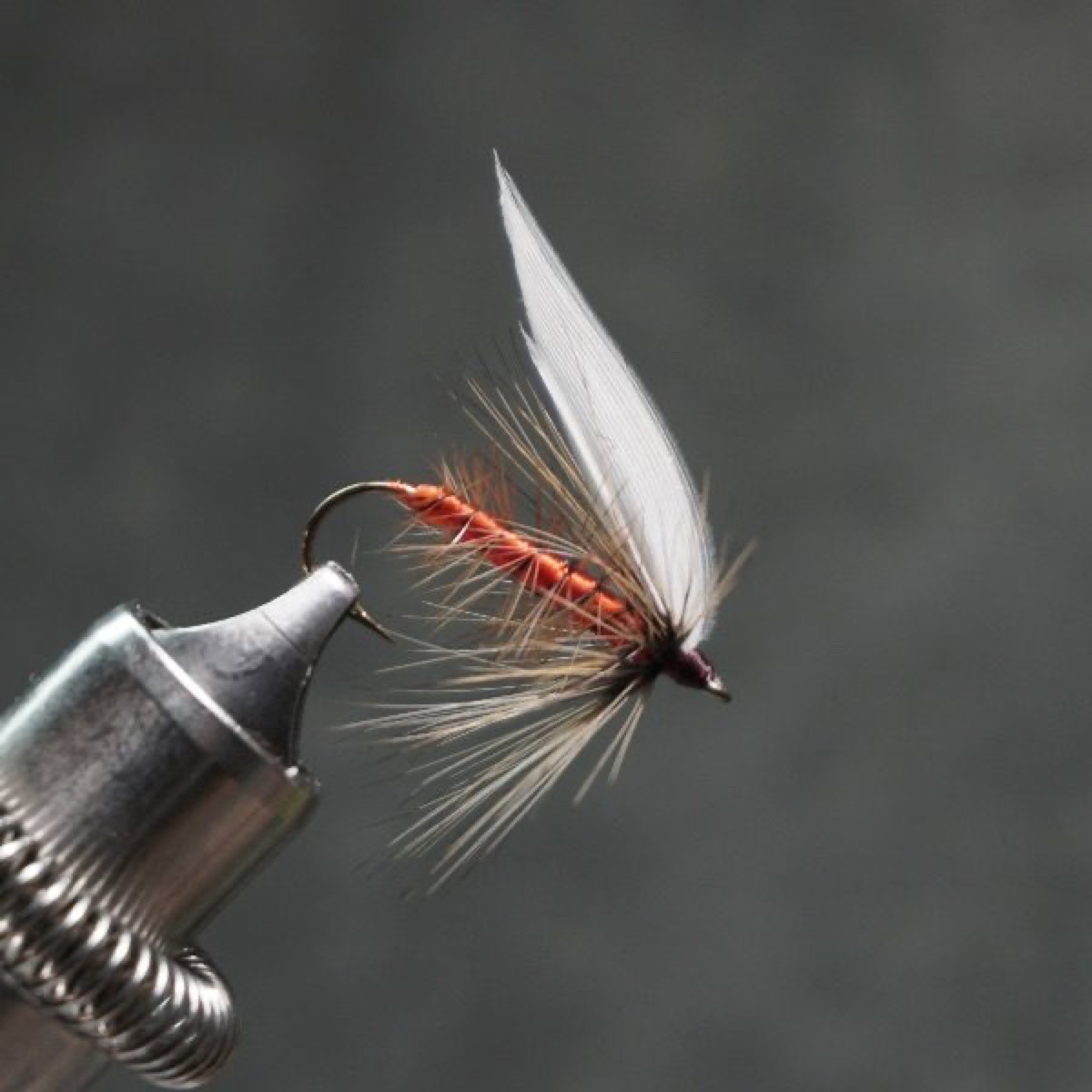
Furnace
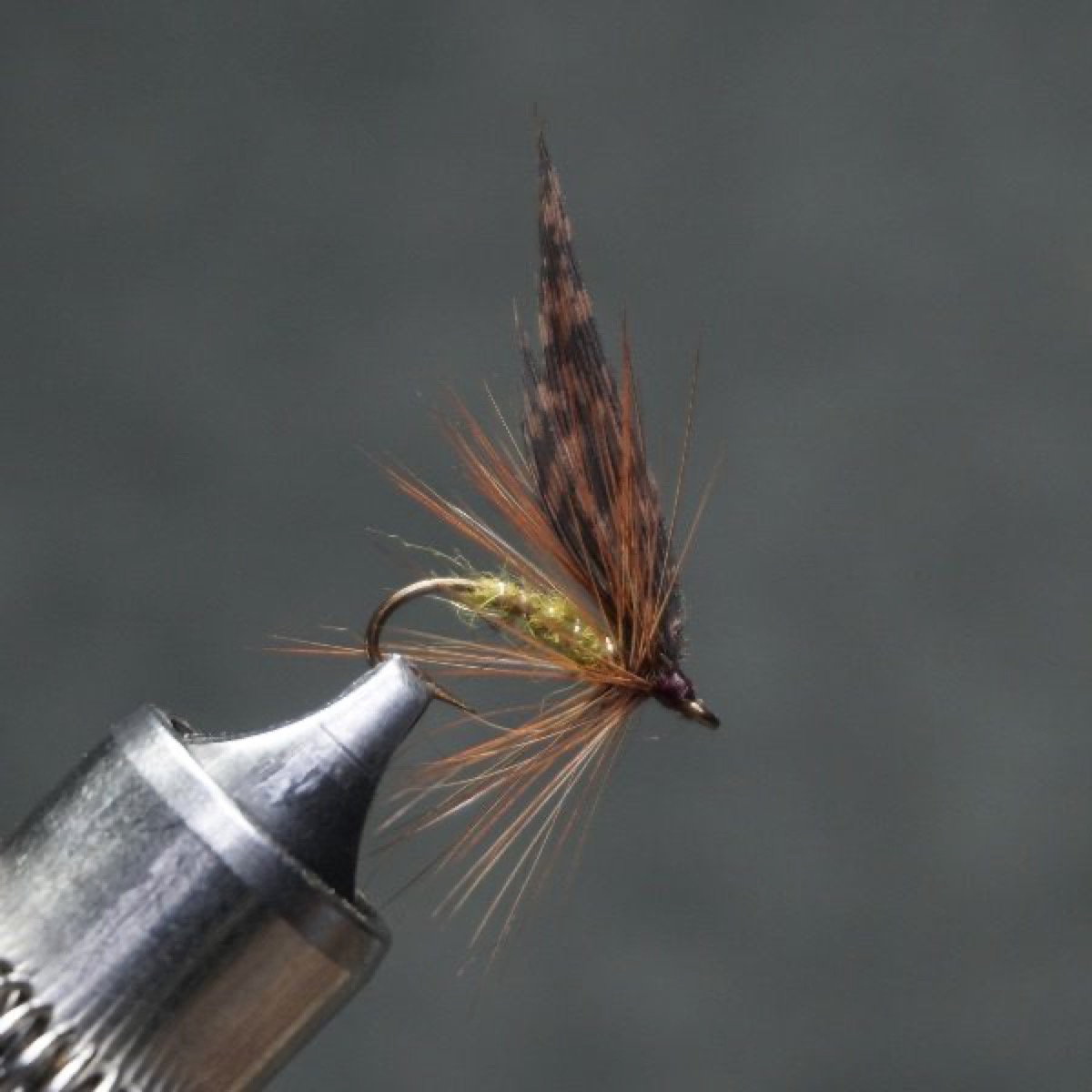
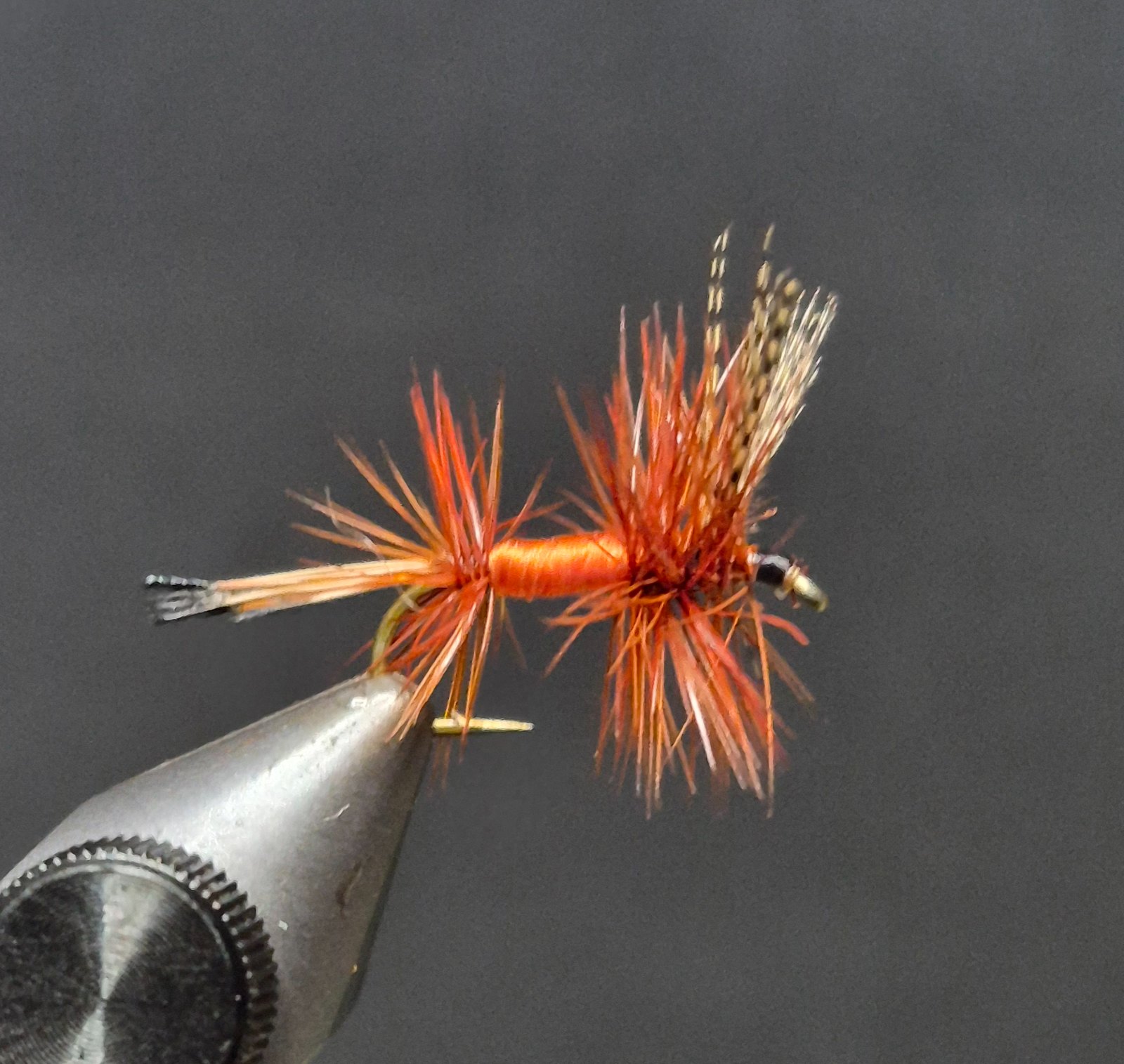
Furnace recipe
| Hook | #6 sproat |
|---|---|
| Thread | claret |
| Rib | furnace dry fly hackle shorter than hook gape, palmered |
| Body | red (crimson) floss |
| Hackle | furnace, soft cock |
| Wings | gray quill |
About this fly
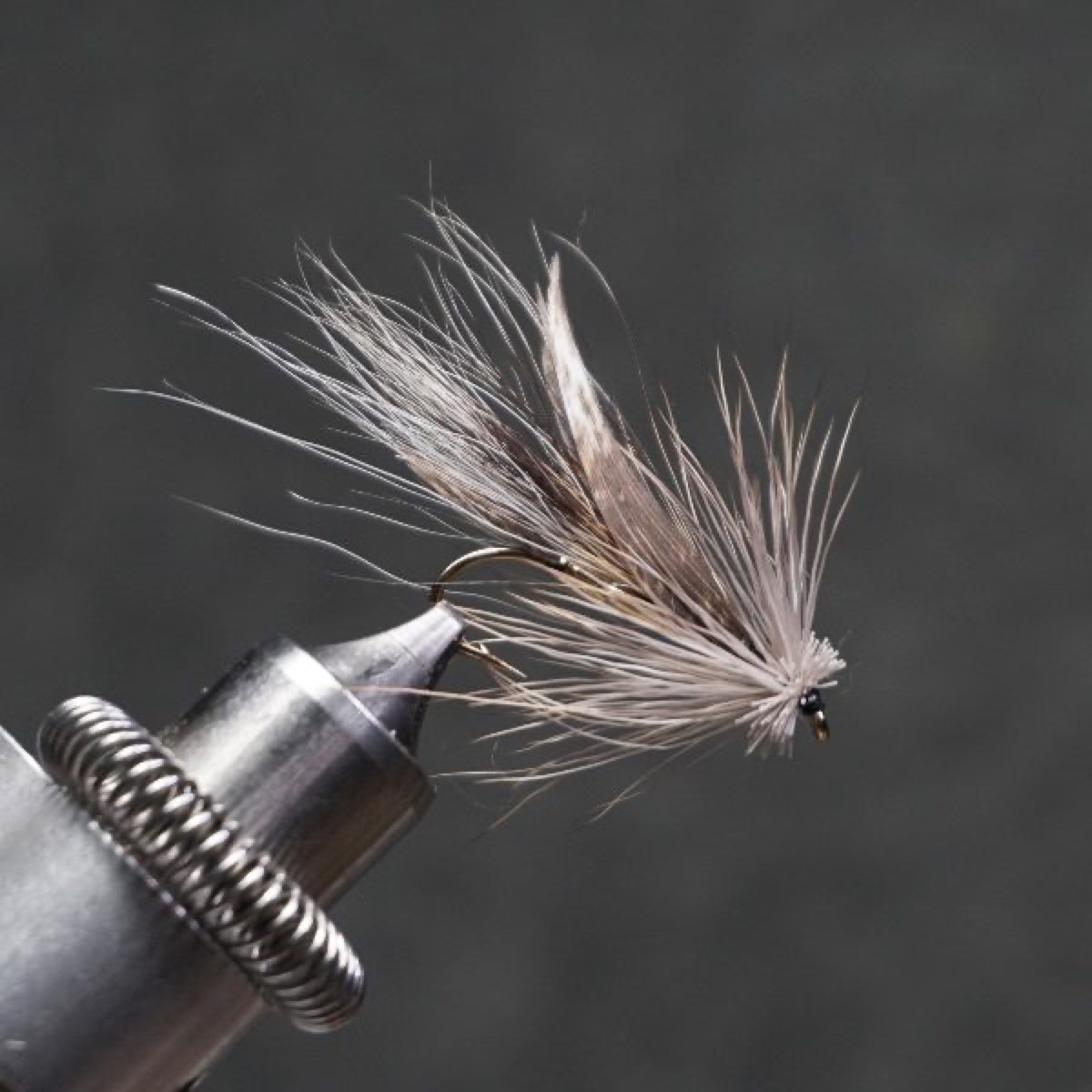
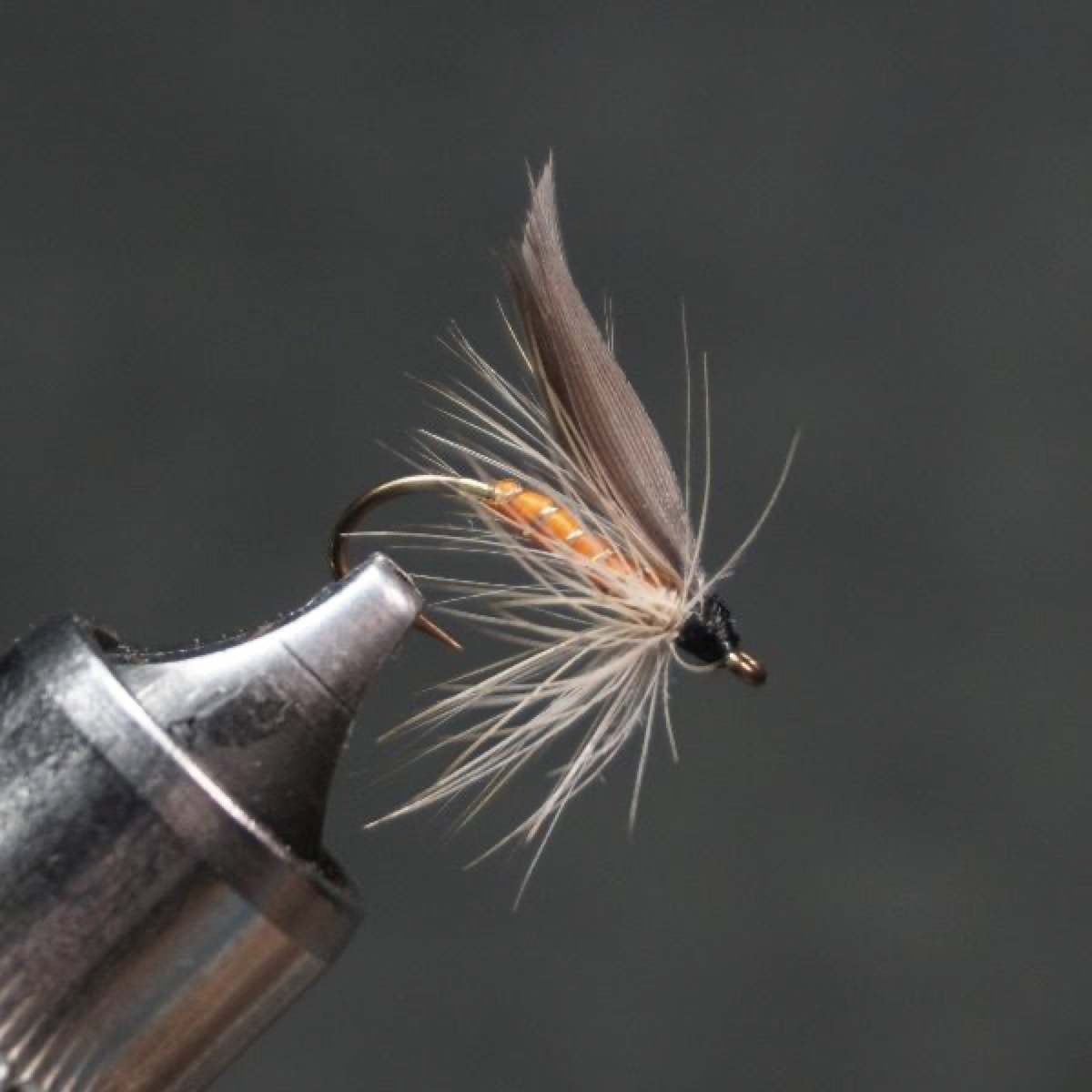
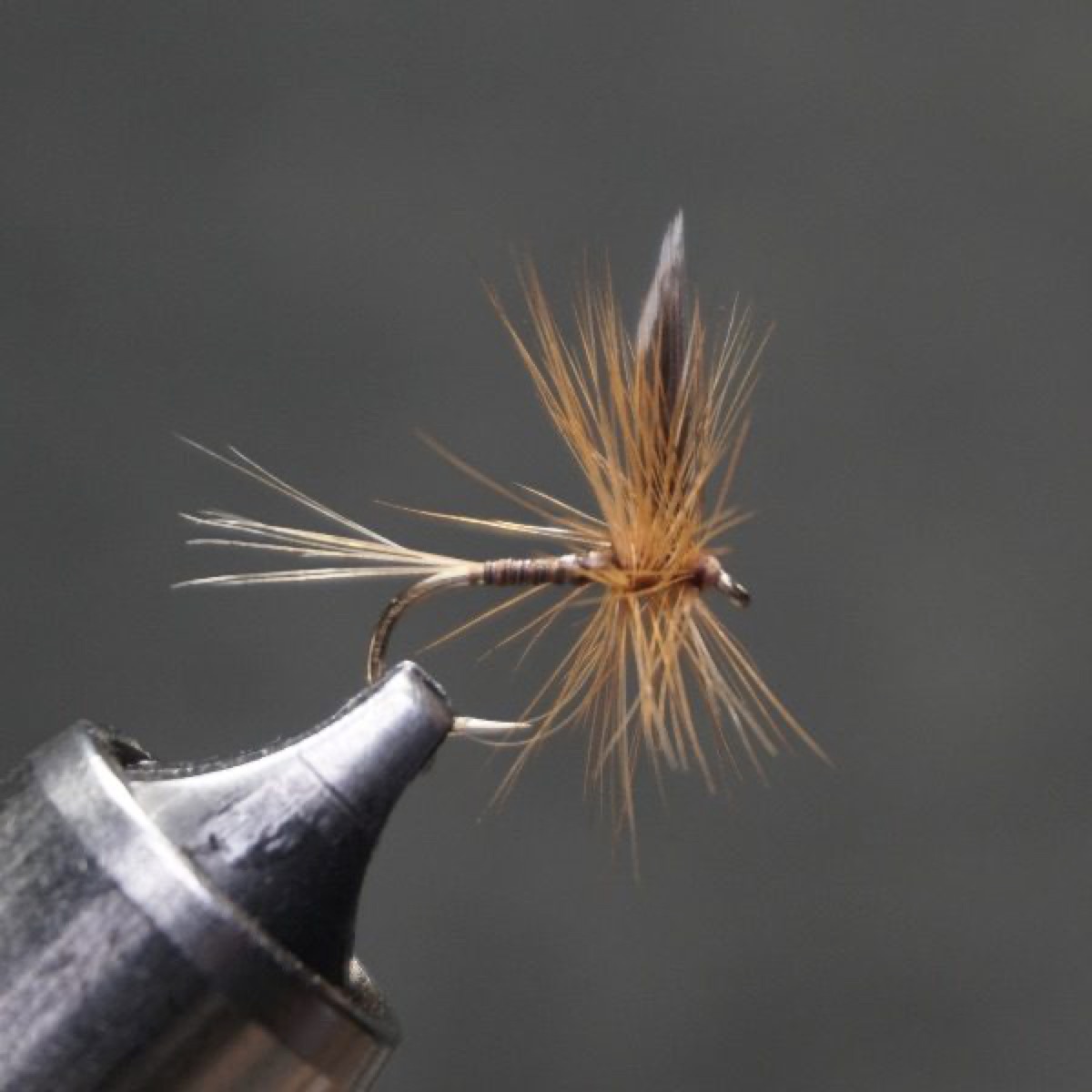
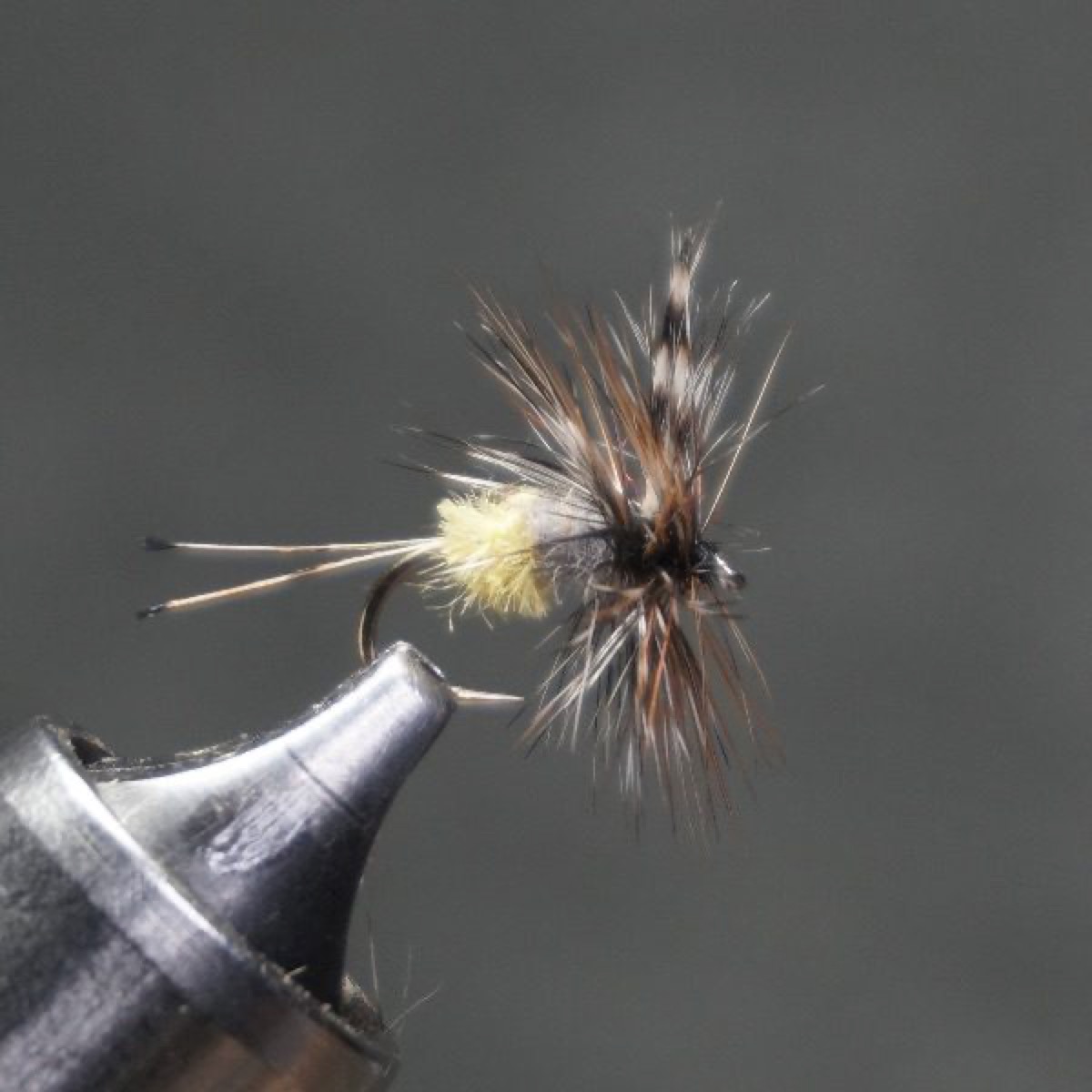
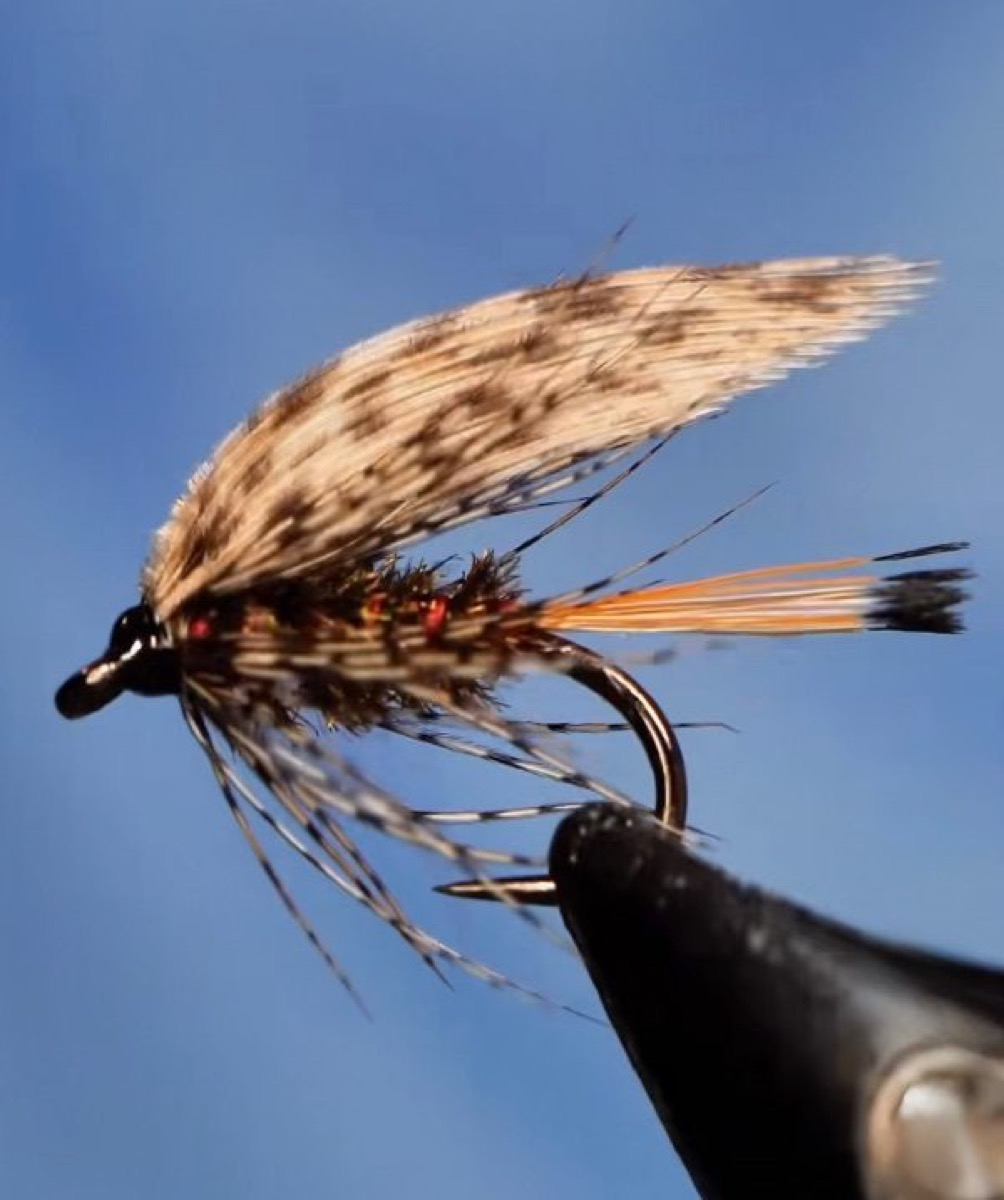
The sample fly is tied from the illustration in Favorite Flies and Their Histories (1892) by Mary Orvis Marbury furnace is a feather color: black stem (rachis) with brown barb tips palmering is wrapping the hackle feather in spirals over the body generally with the barbs slanting back toward the bend of the hook; feather is tied in with shiny side out this fly could be tied with a reverse palmer rib which is when the barbs lean toward the eye of the hook; feather is tied in with shiny side toward hook
Tied for: Trout (general)
Where the Furnace came from
- Described by Frederic M. Halford, 1886, Hampshire chalk streams (Test, Itchen). Furnace or coch-y-bonddhu hackle, orange floss body ribbed peacock and gold; hot-weather favourite.Source: Halford, Floating Flies and How to Dress Them (1886; archive.org floatingflieshow00halfrich), No.52 pp.99-100
- Described by Mary Orvis Marbury, 1892. Illustrated and discussed by Marbury among her trout flies (no. 136). The chapter carries correspondents' letters on its origin and use; origin claims from those letters not yet extracted.Source: Marbury, Favorite Flies and Their Histories (1892), coloured plates, fly no. 136
Where sources tell it differently, each account is listed with its own source.
In the old books
Original dressing as pictured in Marbury, Favorite Flies and Their Histories (1892), Plate P, No. 136. The photo above is a later tie, not the original.
Inside the vault every material on this fly opens to its own card, and you can save the fly to your own boxes.