 FLY
FLY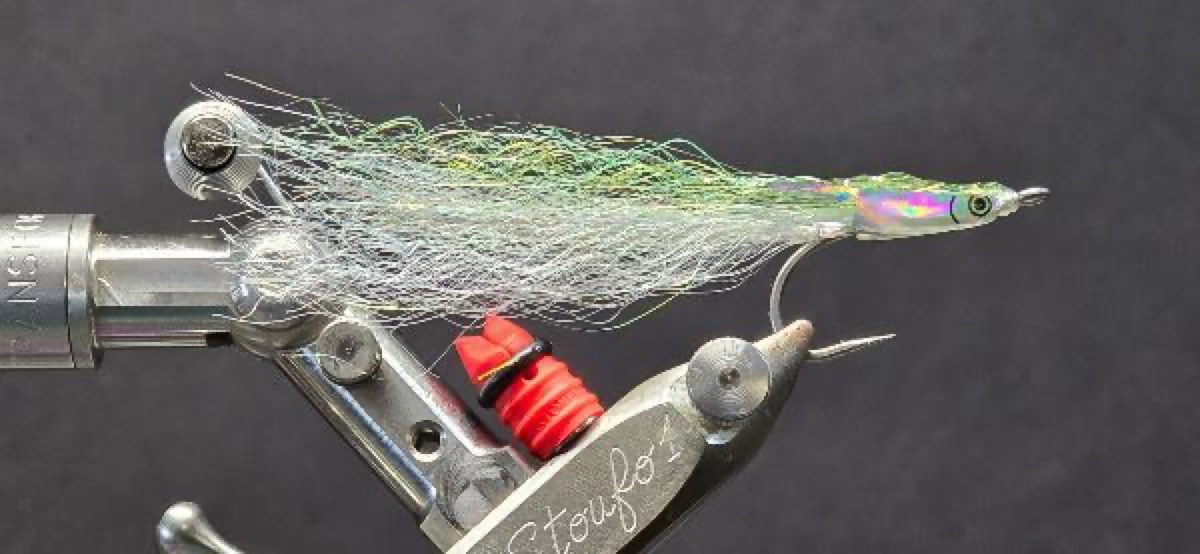
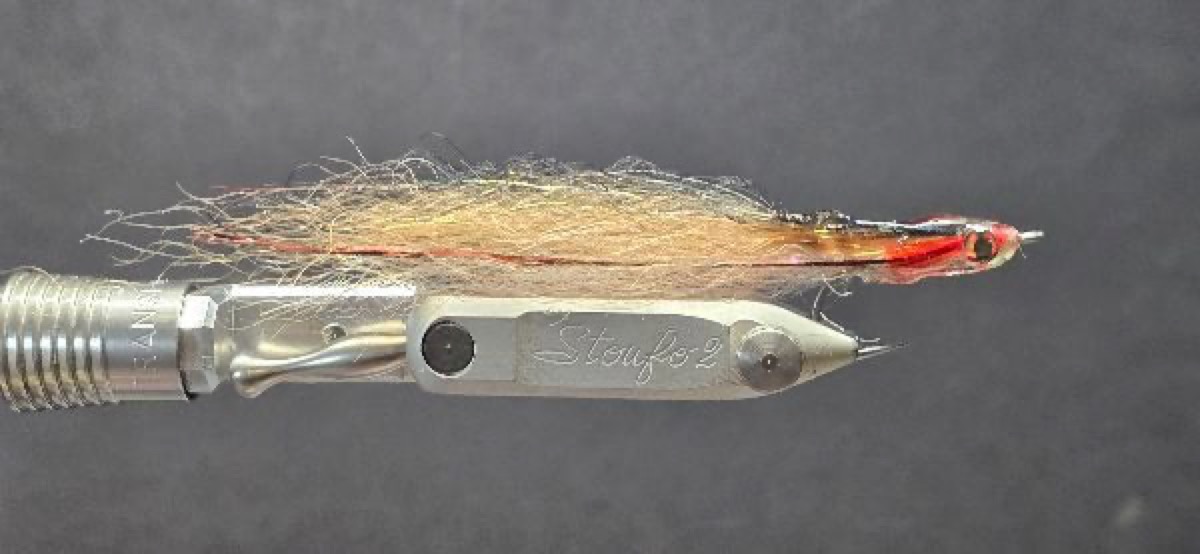
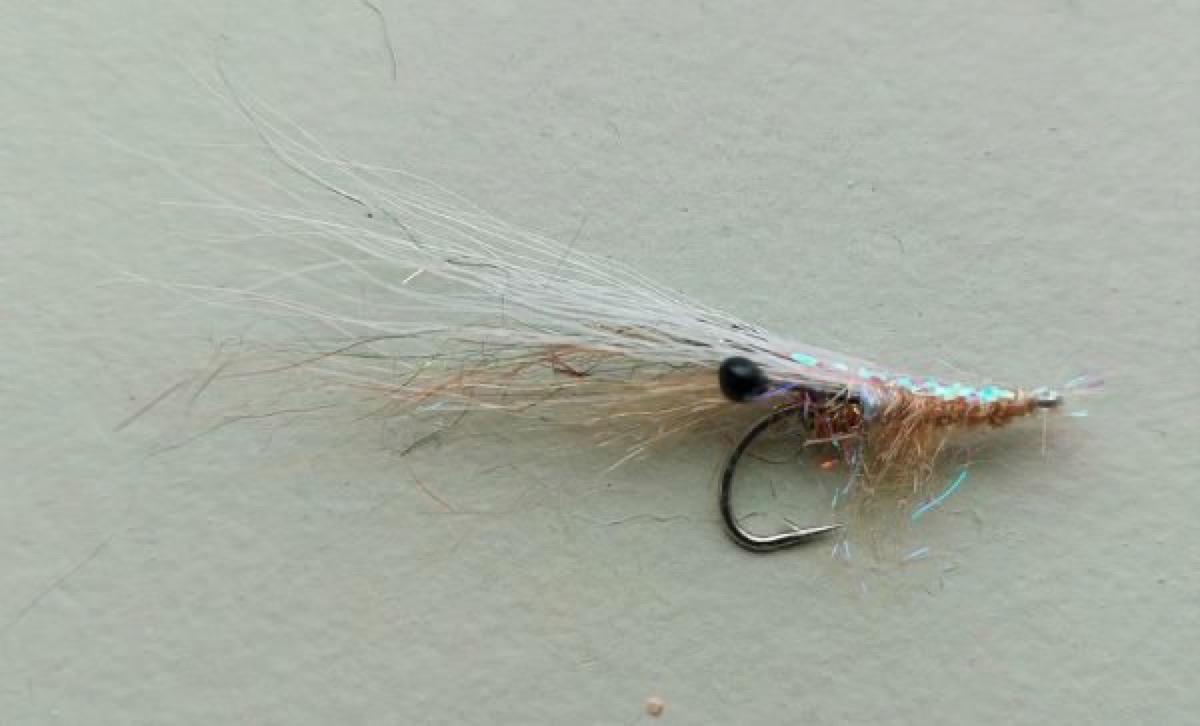
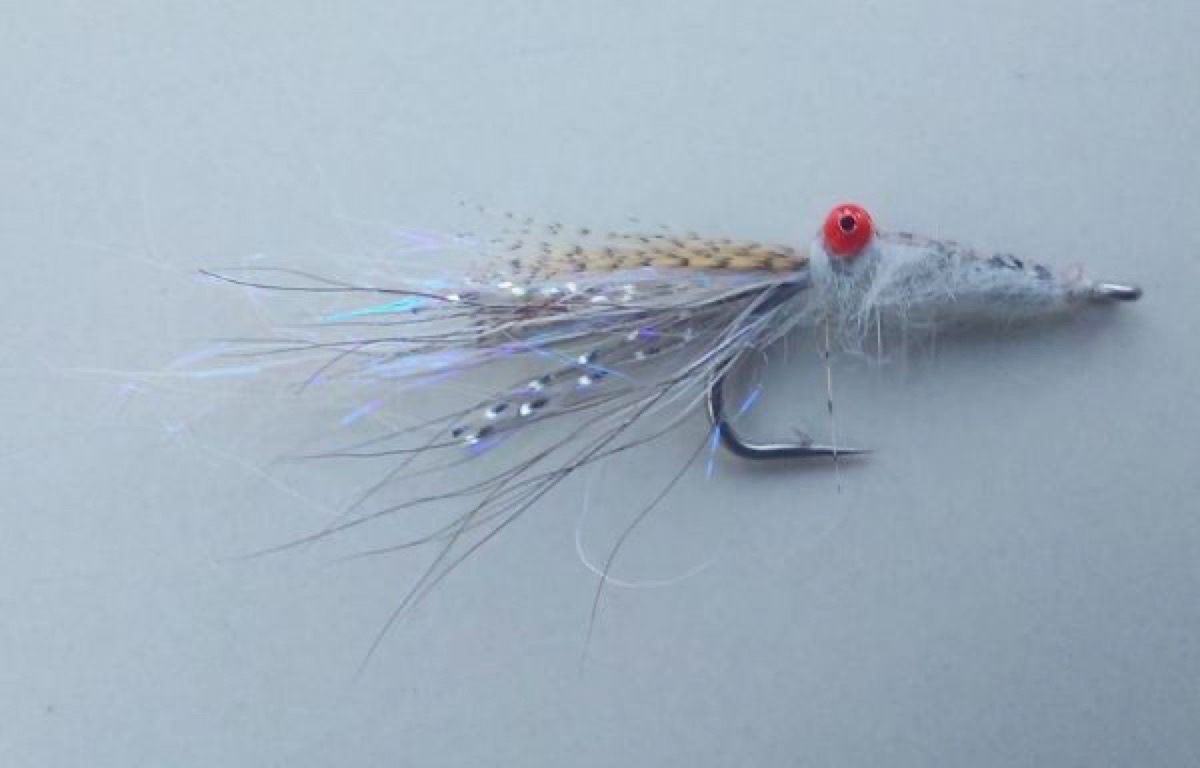
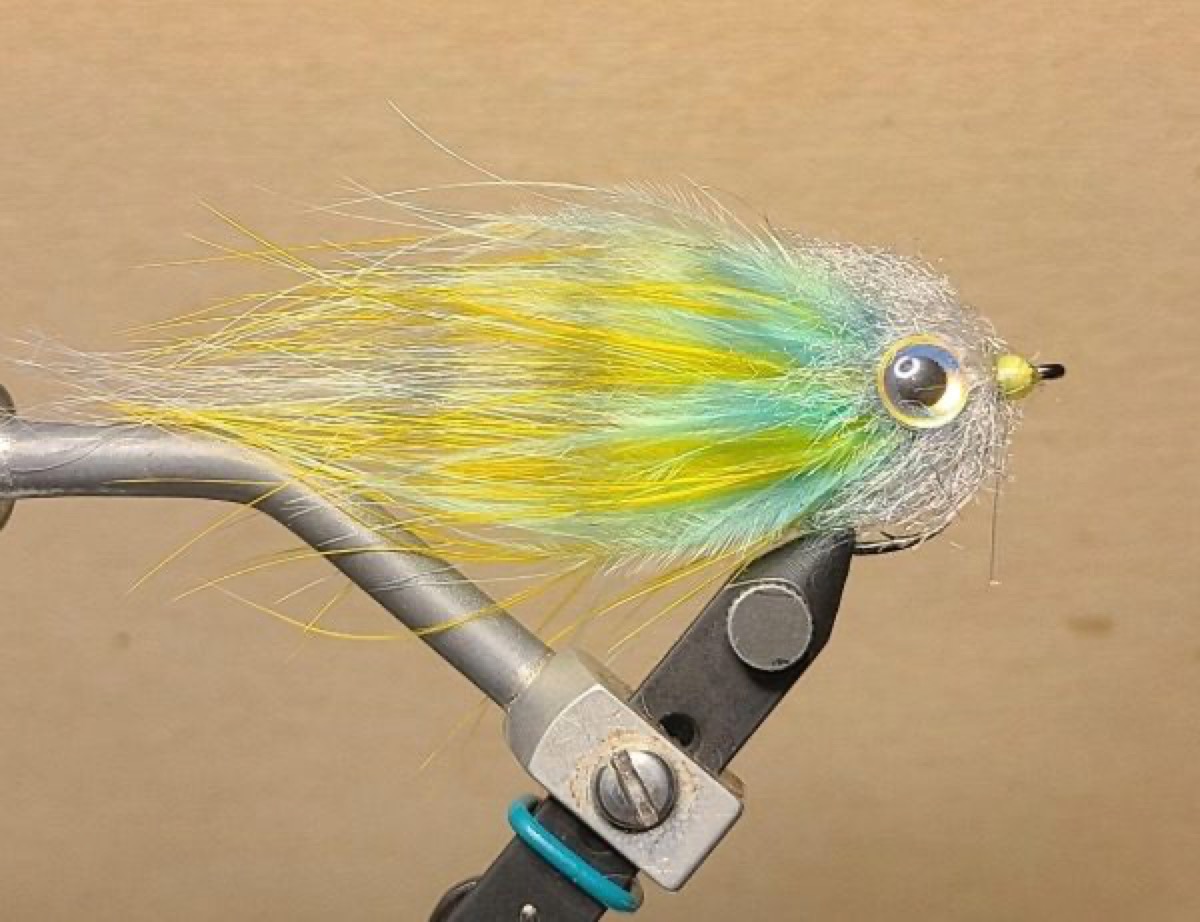
Silverside Surf Candy
Silverside Surf Candy recipe
| Hook | TMC 811S, size 2 |
|---|---|
| Thread | Danville Mono, Size Fine |
| Belly | Steve Farrar SF Blend White |
| Back | Steve Farrar SF Blend Off White |
| Topping | Steve Farrar SF Blend Seaweed |
| Body/Head | Tuffleye Fleye Foils - Silverside / Small |
About this fly
Bob Popovics got into fly-fishing in 1969, fresh from a stint in the Marine Corps in Vietnam. His friend Butch Colvin Butch’s father, Cap, owned a tackle shop, taught him how to cast, and eventually, Popovics became equally interested in fly tying. Popovics learned to use his bodkin to carefully sculpt and cure the epoxy around the bucktail to create a lifelike baitfish body shape. He also started painting on eyes and gills. But using two new materials changed the Surf Candy as people know it today. The first one is the creation of prism eyes by Fred Schrier, the founder of the original Saltwater Fly Rodders of America. The second came around 1983, when ultra hair appeared on the fly tying benches. In addition to being more durable than bucktail, the synthetic material was translucent and moved in a lifelike manner underwater. The Surf Candy, along with other patterns such as the Clouser minnow and Lefty’s Deceiver, became one of the iconic flies of the coastal fly-fishing revolution. Popovics has evolved the Surf Candy a step further, creating Fleye Foils that are reflective cutouts with eyes and gill markings and belly sacks cut to accurately represent a baitfish profile. The foils come in different shapes to mimic sand eels, bay anchovies or silversides. They are pressed over the craft fur on either side of the shank and are encased in acrylic or UV resin in typical Surf Candy style.
What the Silverside Surf Candy imitates
- Streamer / baitfish
Tied for: Saltwater (general)
Inside the vault every material on this fly opens to its own card, and you can save the fly to your own boxes.