 FLY
FLY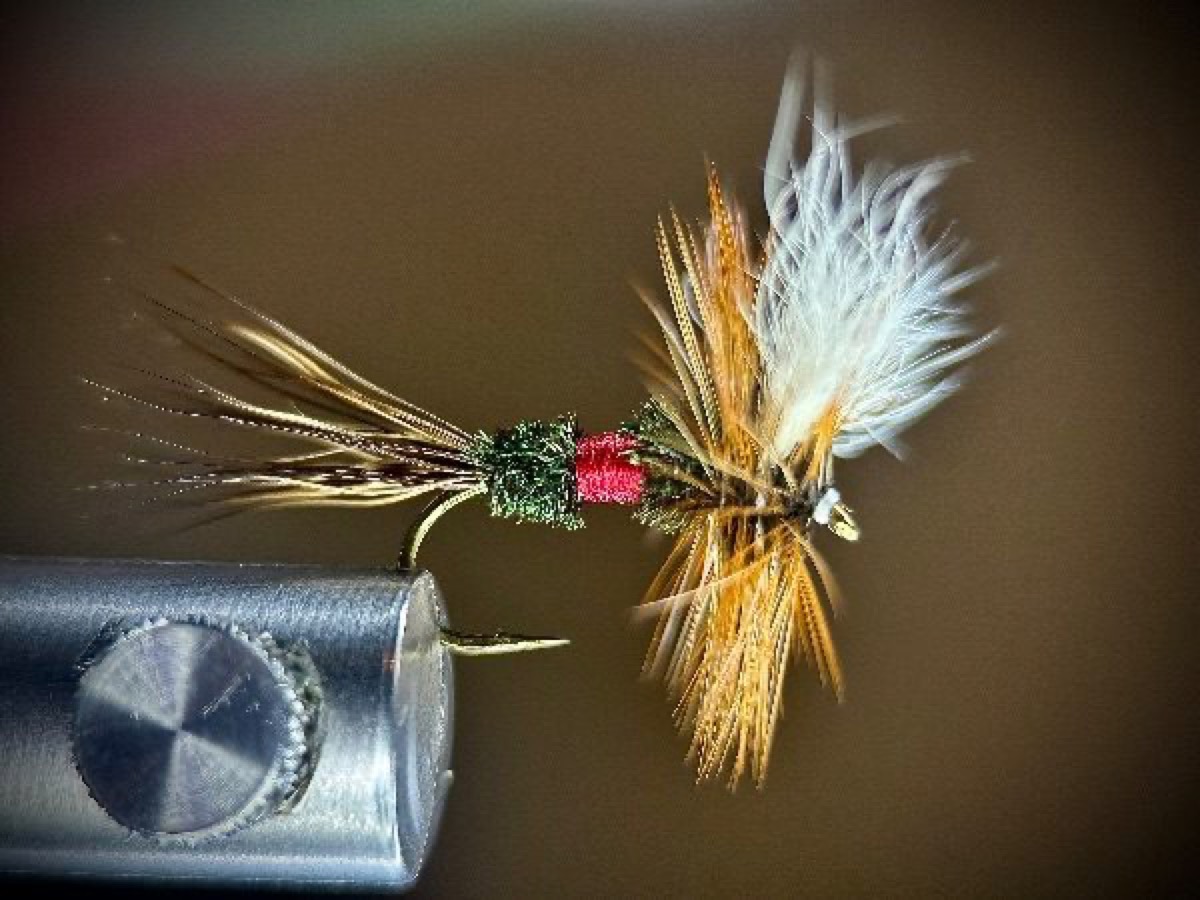
Dry Fly
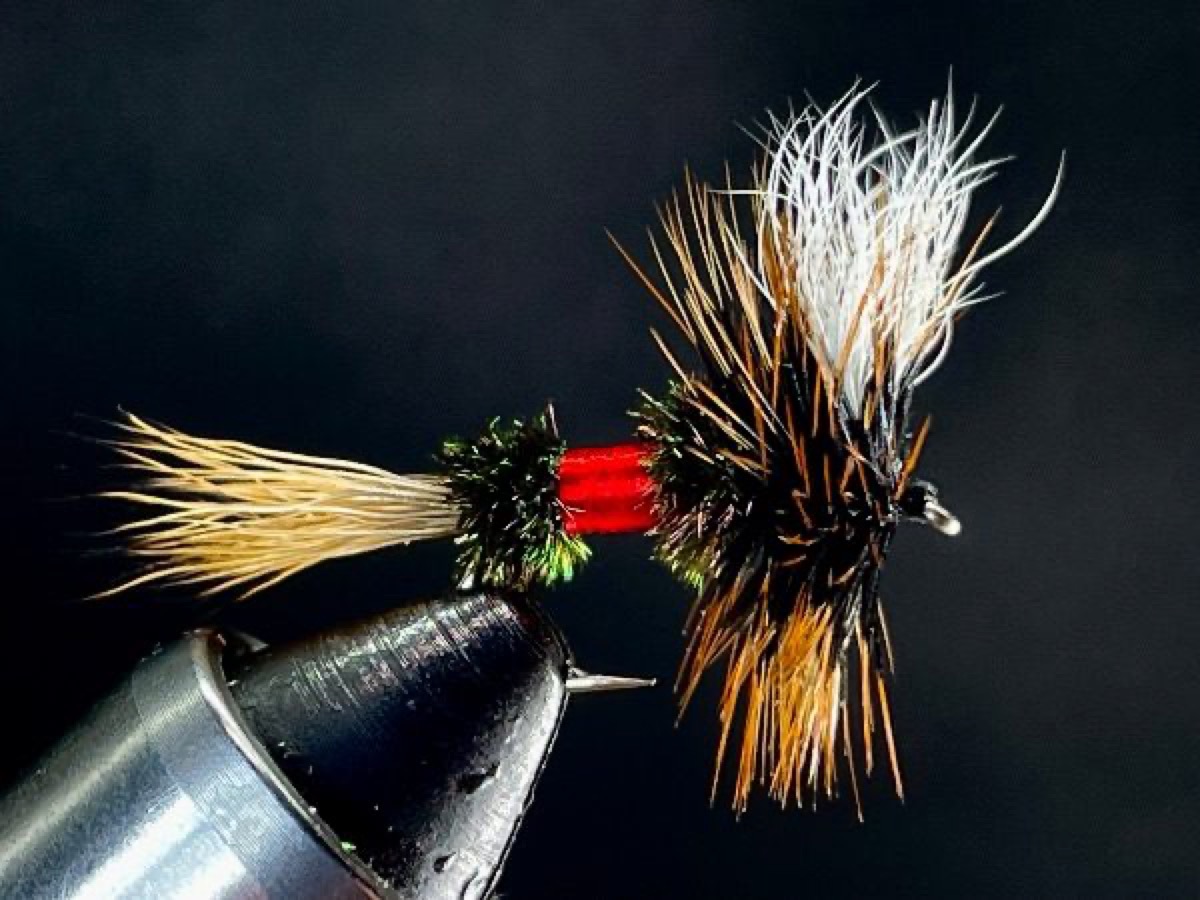
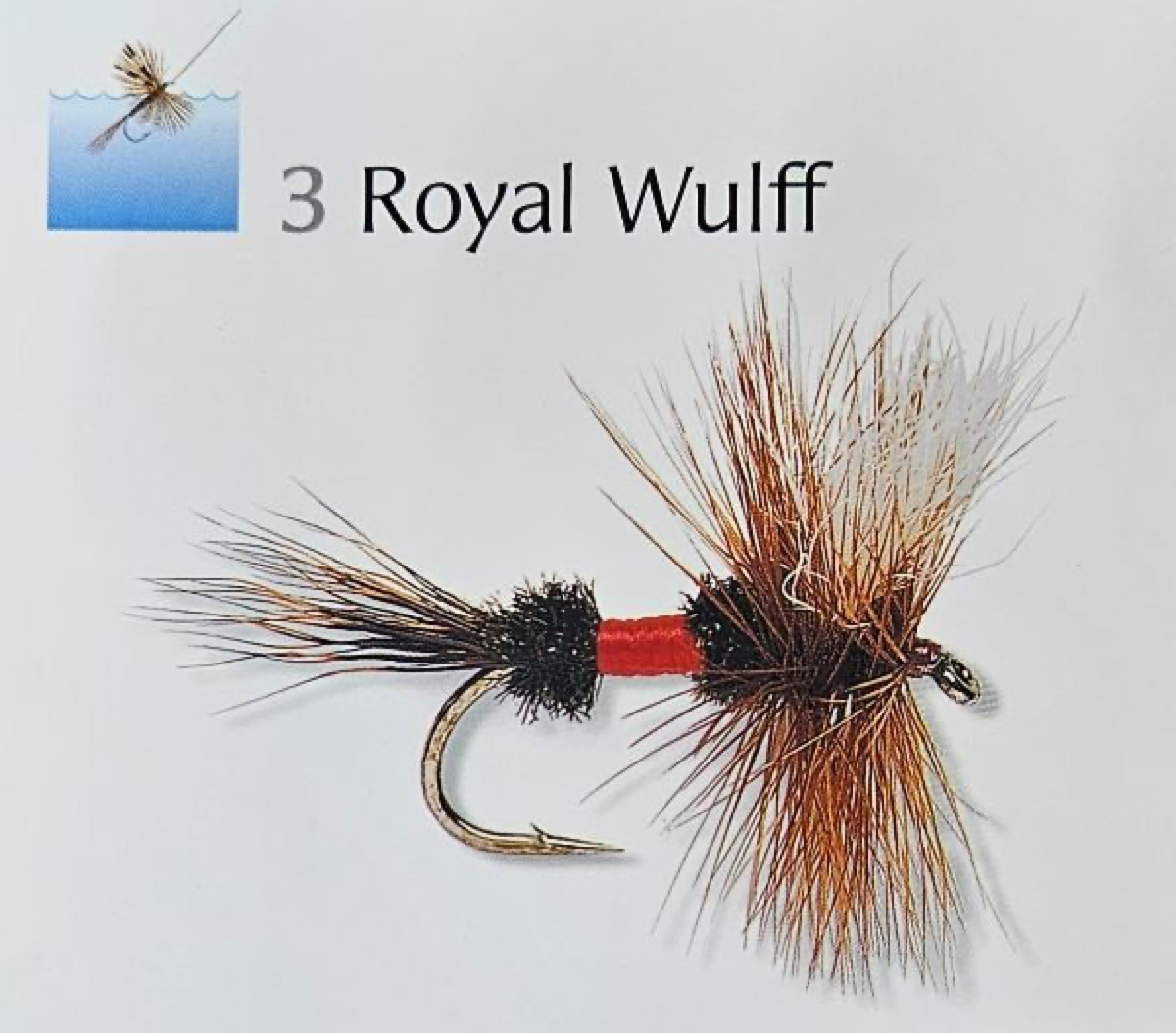
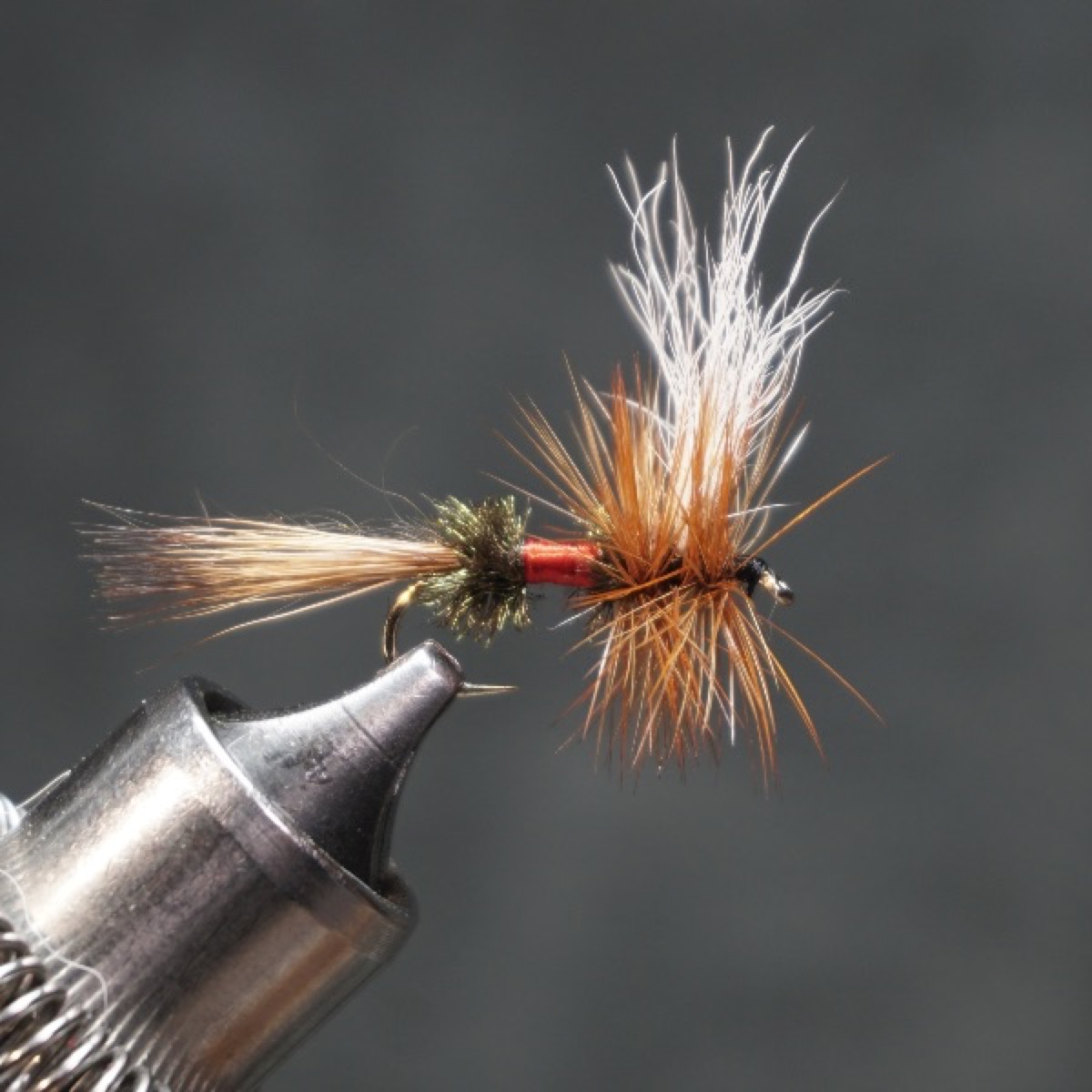
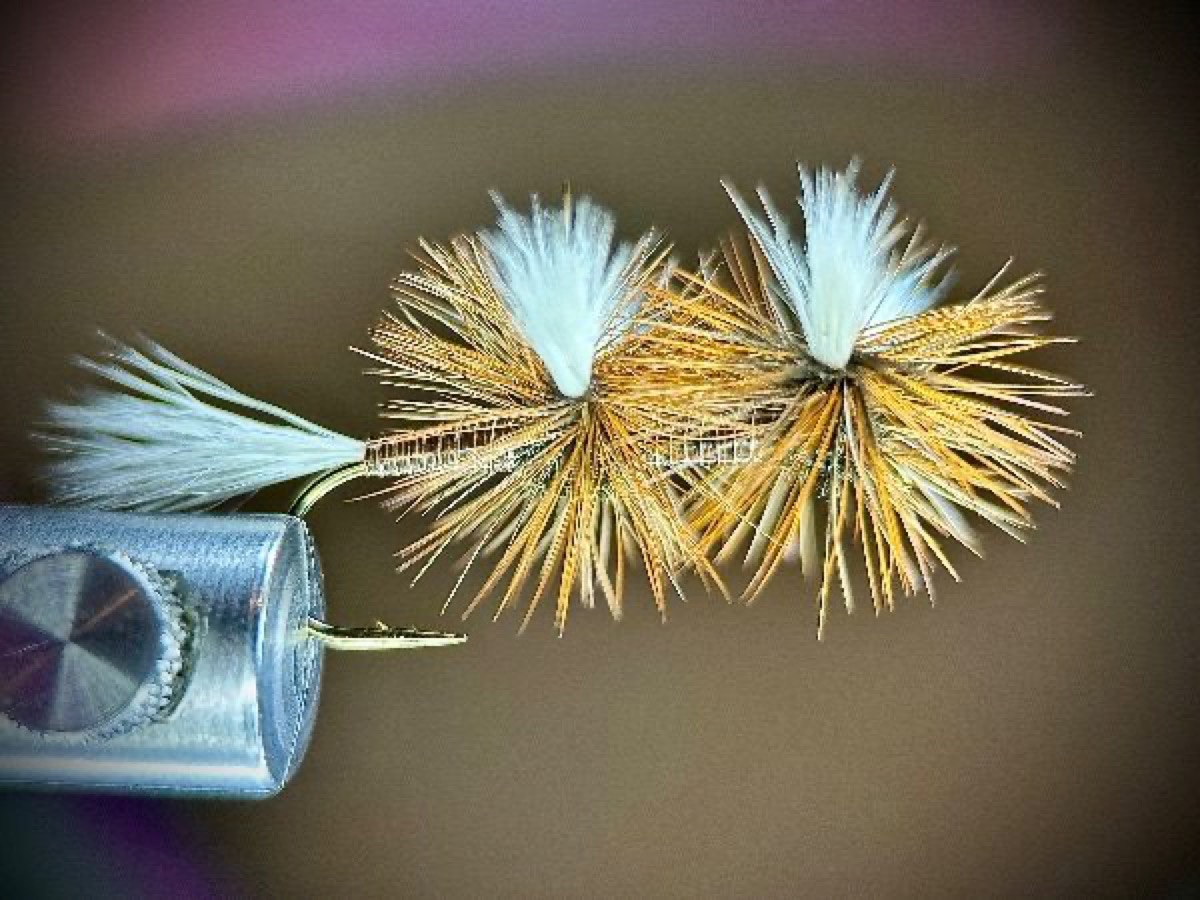
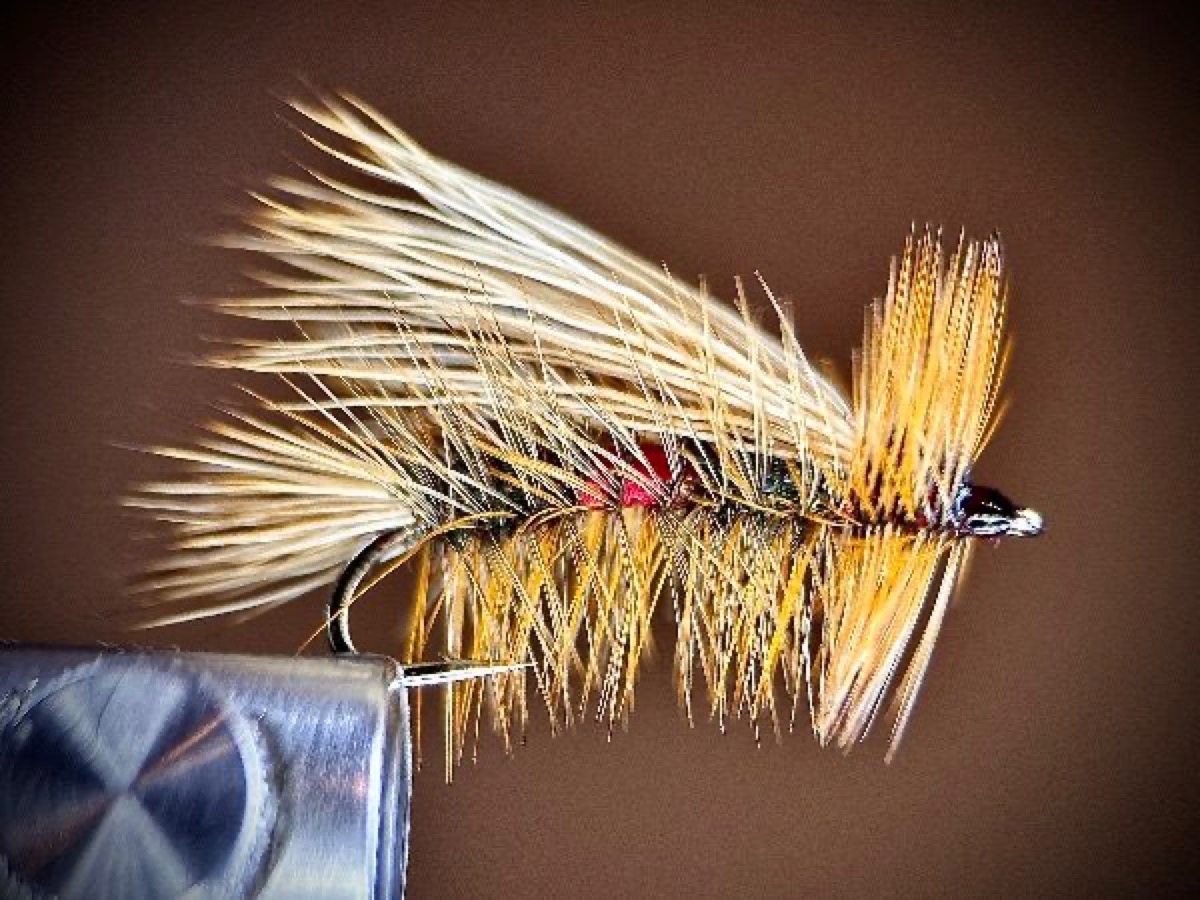
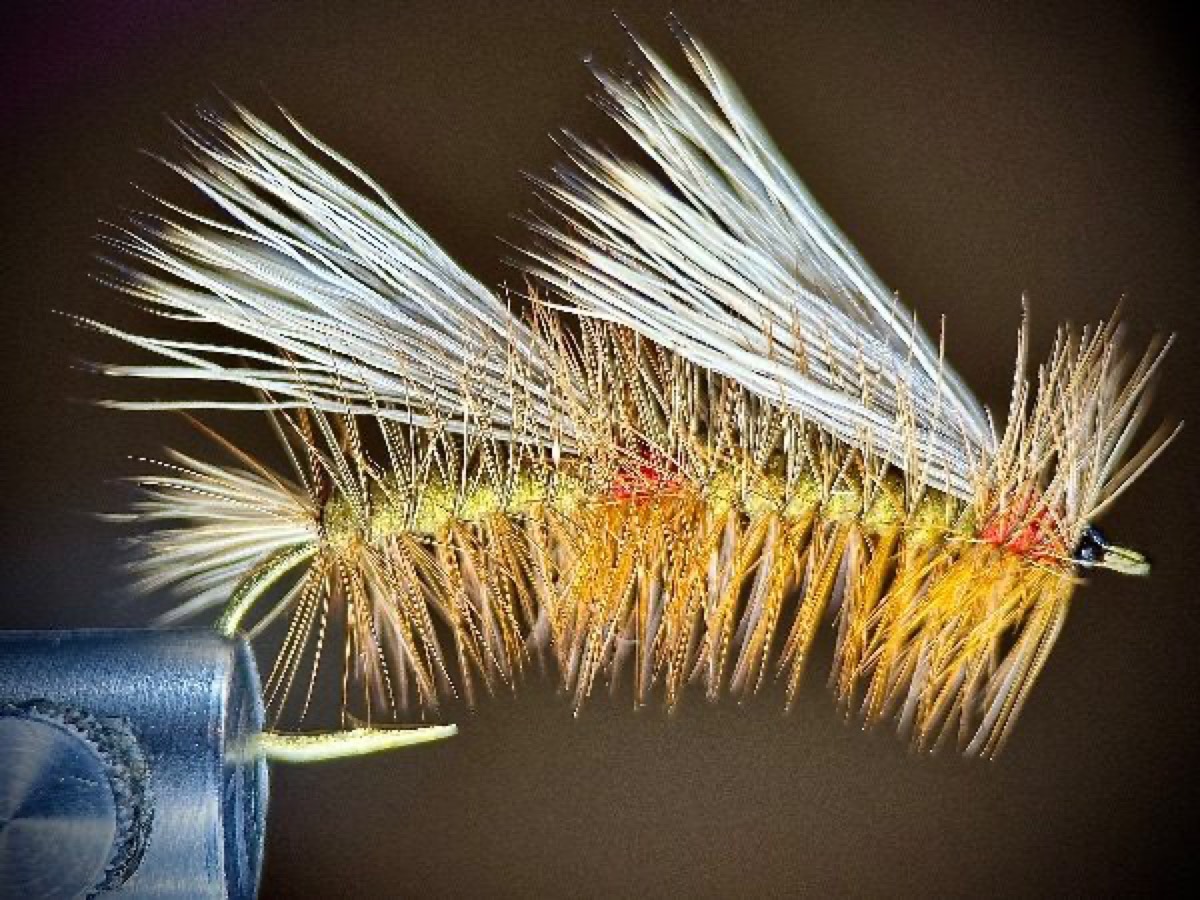
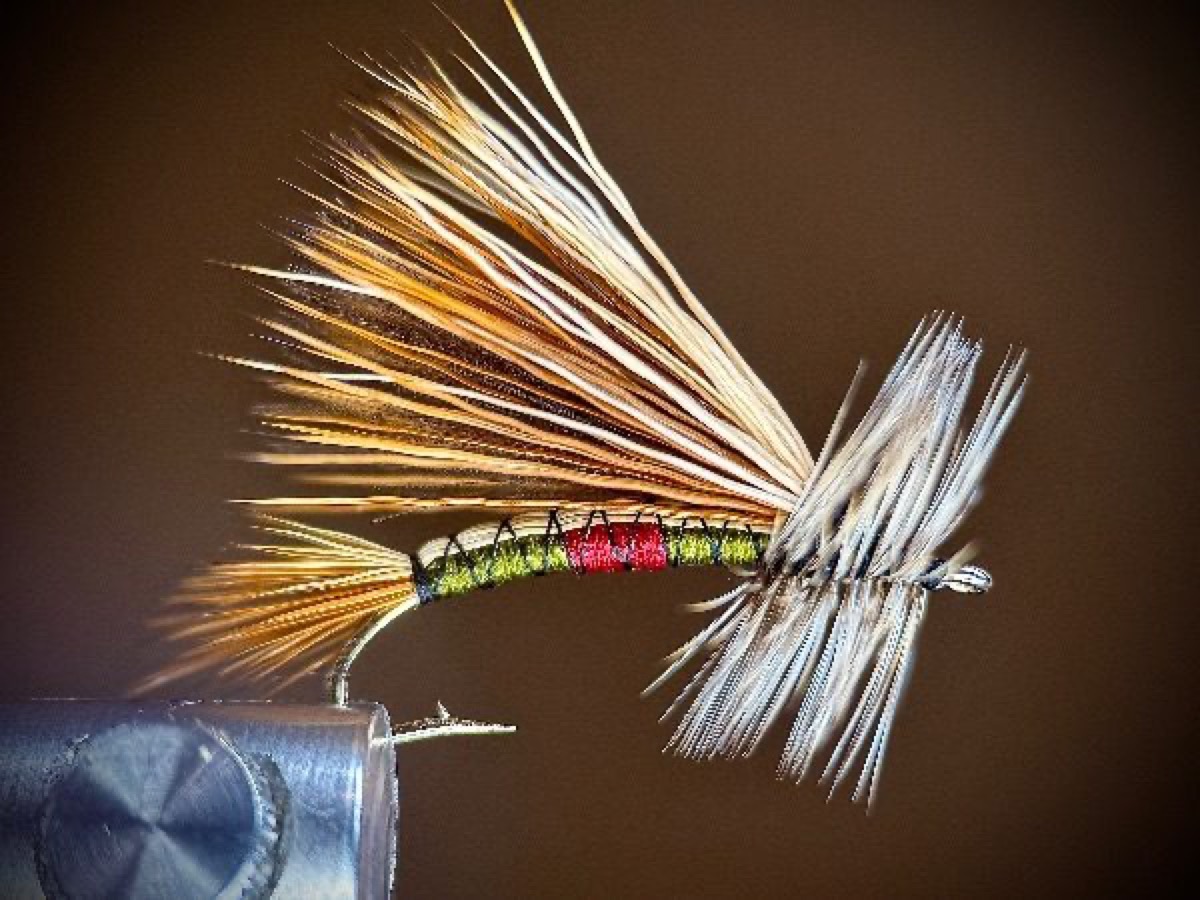
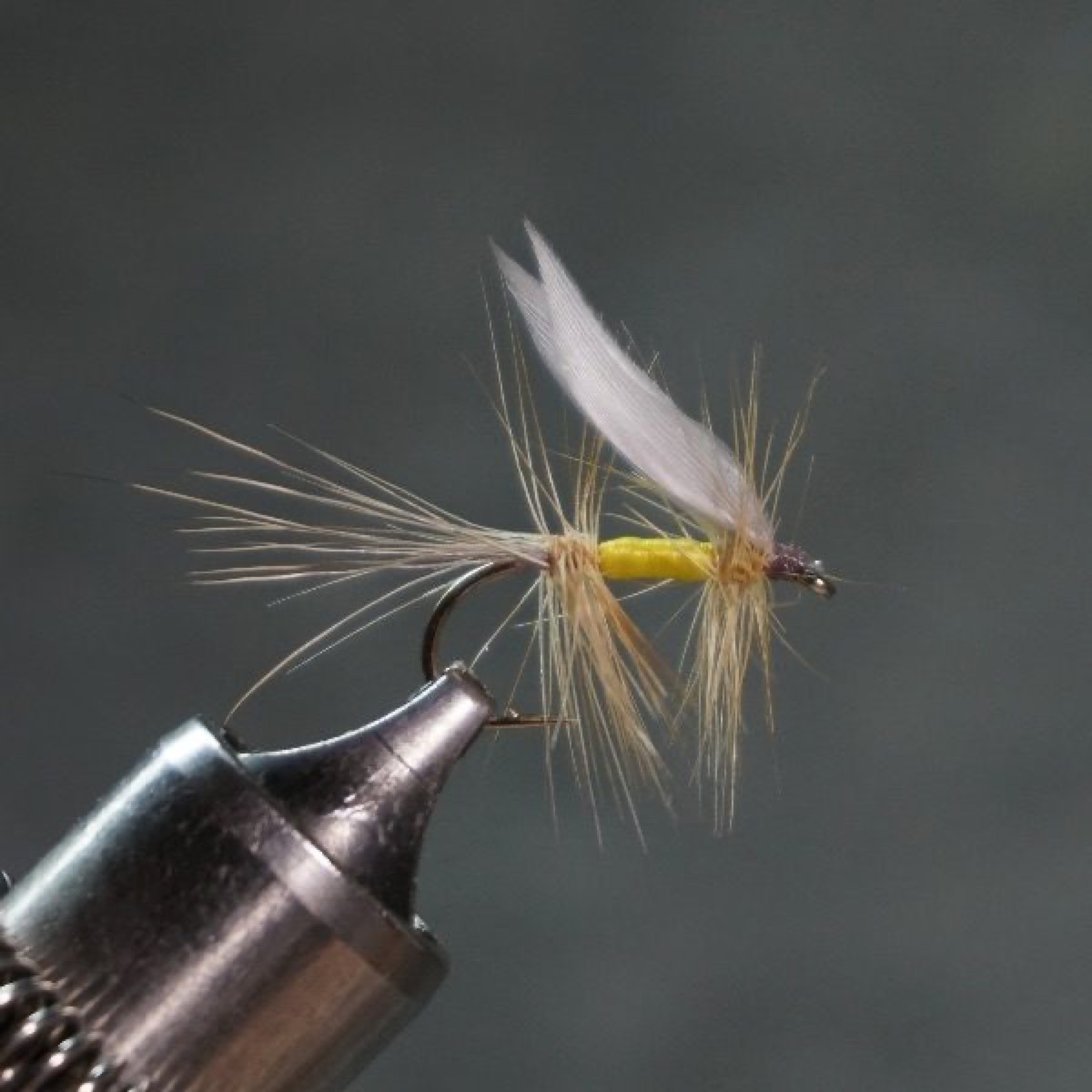
Royal Wulff
Tied by Ryan Storch
Royal Wulff recipe
| Hook | Size 12 Daiichi 1170 dry fly |
|---|---|
| Thread | 72d white from Magpie Materials |
| Tail | Stacked moose mane (in place of moose body) |
| Body | Peacock herl |
| Body | Red kimono silk thread from magpie materials |
| Wing | White calf (kip) tail stacked, split and posted |
| Hackle | Silver grade furnace saddle from Whiting Farms |
About this fly
Typically I would tie these with a moose body tail, original pattern called for bucktail though I believe Perhaps the hackle is a size and a half too big, but that tail should help it ride properly (I’m hoping)
Tied for: Trout (general)
Where the Royal Wulff came from
- Originated by Q.L. Quackenbush, 1929, Beaverkill, New York. 1929-30; often cited as creator; early names Quack Coachman / Quack Special, tied commercially by Rube CrossSource: Wikipedia: Royal Wulff; also Fly Fishing the Sierra: Wulff flies <https://flyfishingthesierra.com/wulff/>
- Originated by Lee Wulff, 1930, Esopus and Catskill region, New York. 1929-30; originally called the Bucktail Coachman; hair-winged robust style for American rivers. Kept here so both sides of the Quackenbush dispute show together.Source: Wikipedia: Wulff series of dry flies
- Named by Dan Bailey, Livingston, Montana. 1930s; urged renaming Wulff's patterns; Bucktail Coachman became Royal Wulff; Bailey and Ray Bergman popularized the seriesSource: Wikipedia: Royal Wulff
- Derived from Fanwing Royal Coachman. Hair wing replaced fragile fanwing of the Royal CoachmanSource: Wikipedia: Royal Wulff
Where sources tell it differently, each account is listed with its own source.
Inside the vault every material on this fly opens to its own card, and you can save the fly to your own boxes.