 FLY
FLY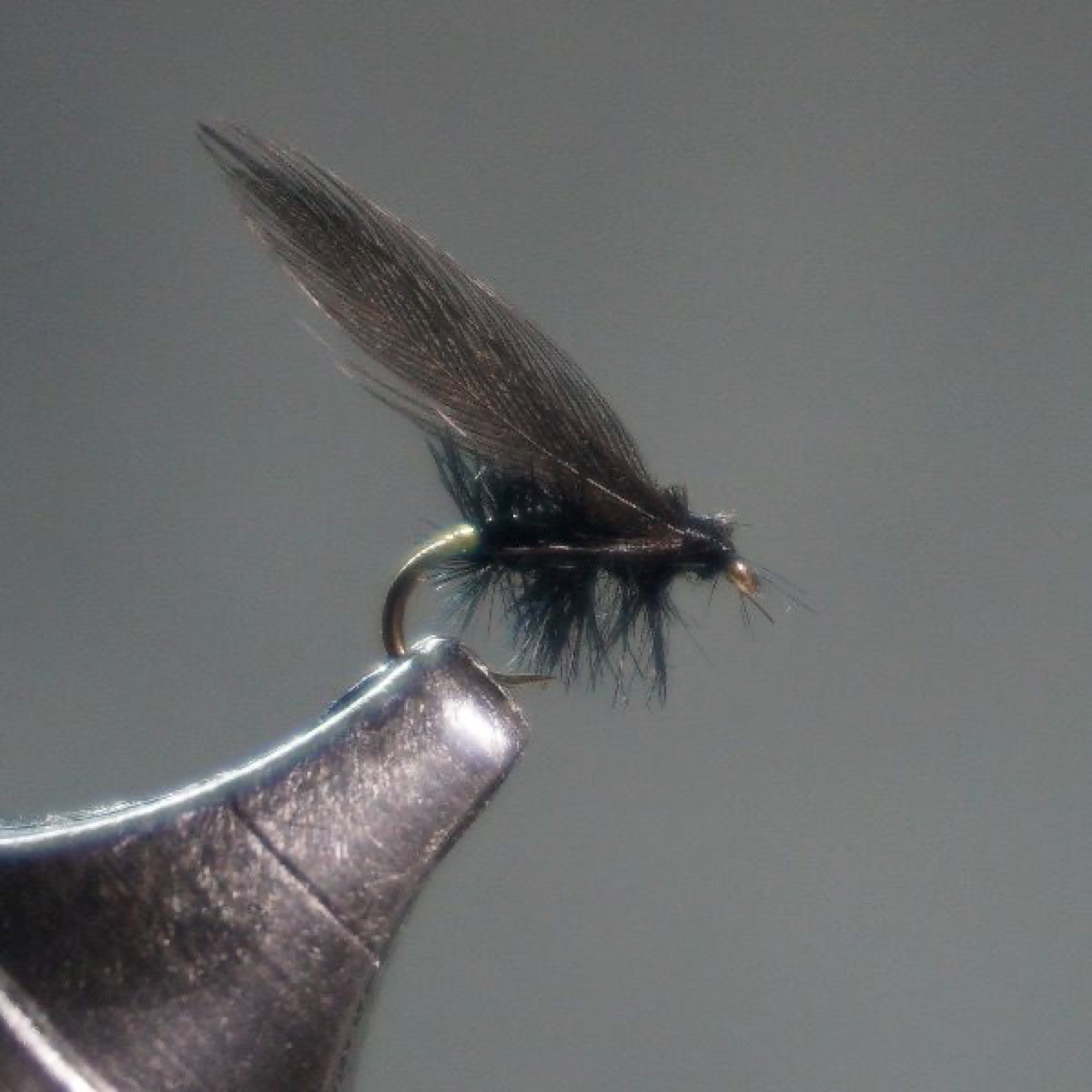
Dry Fly
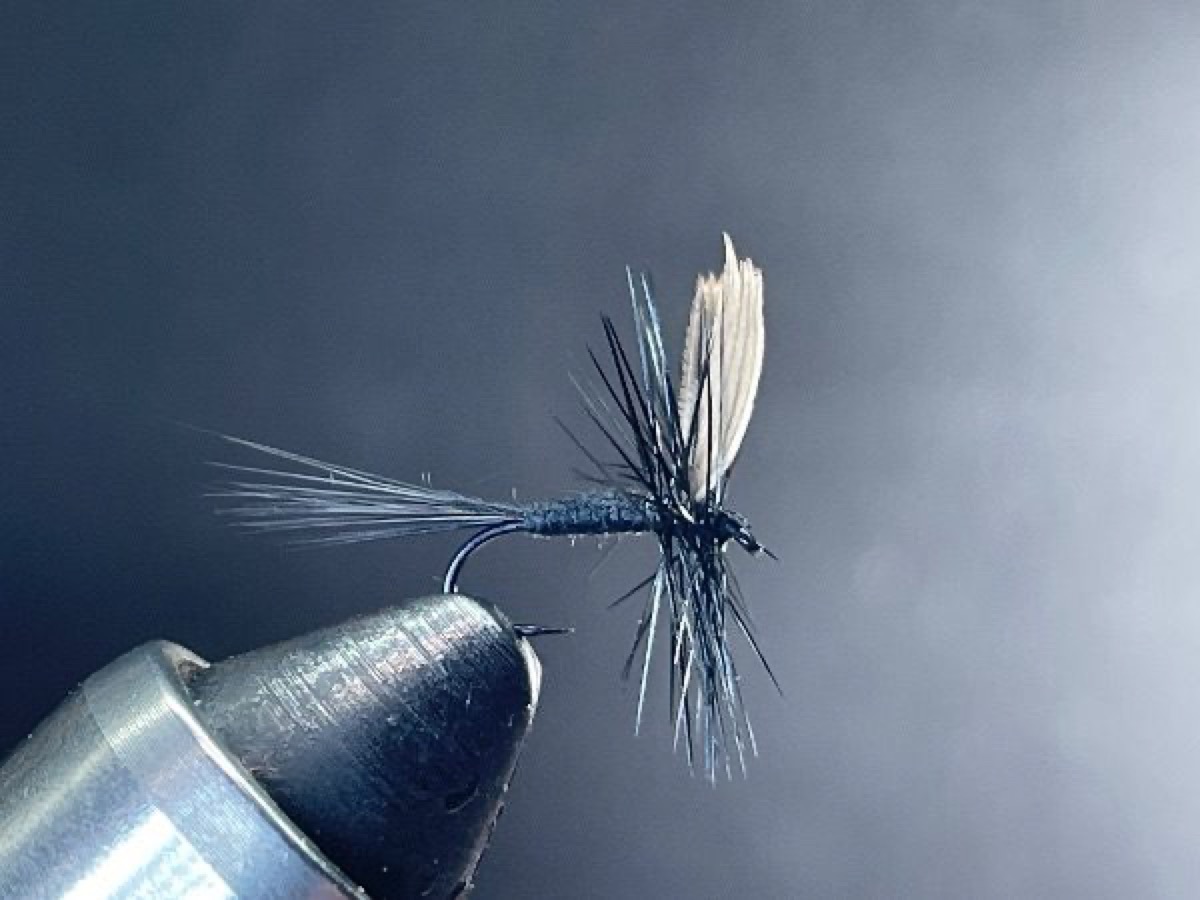
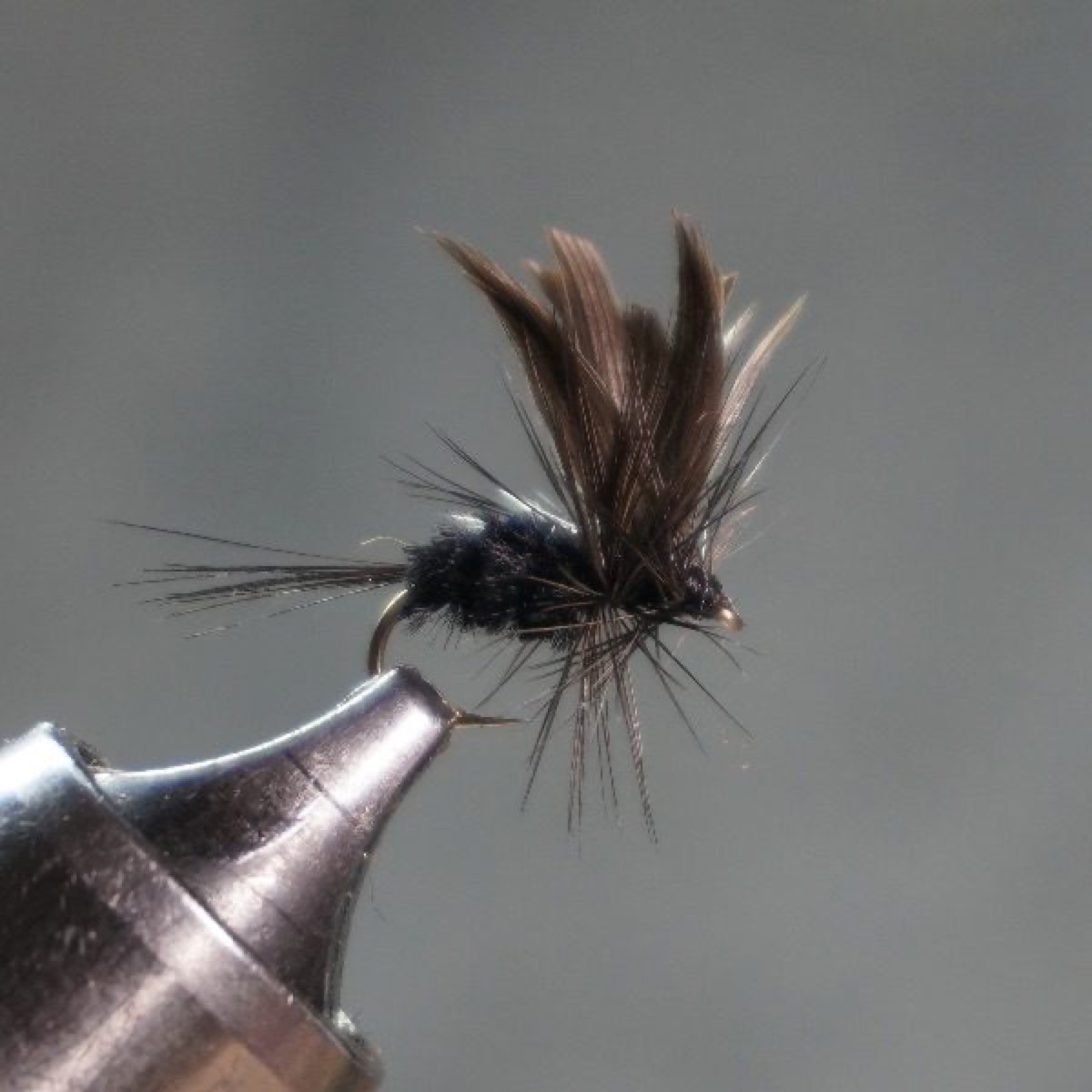
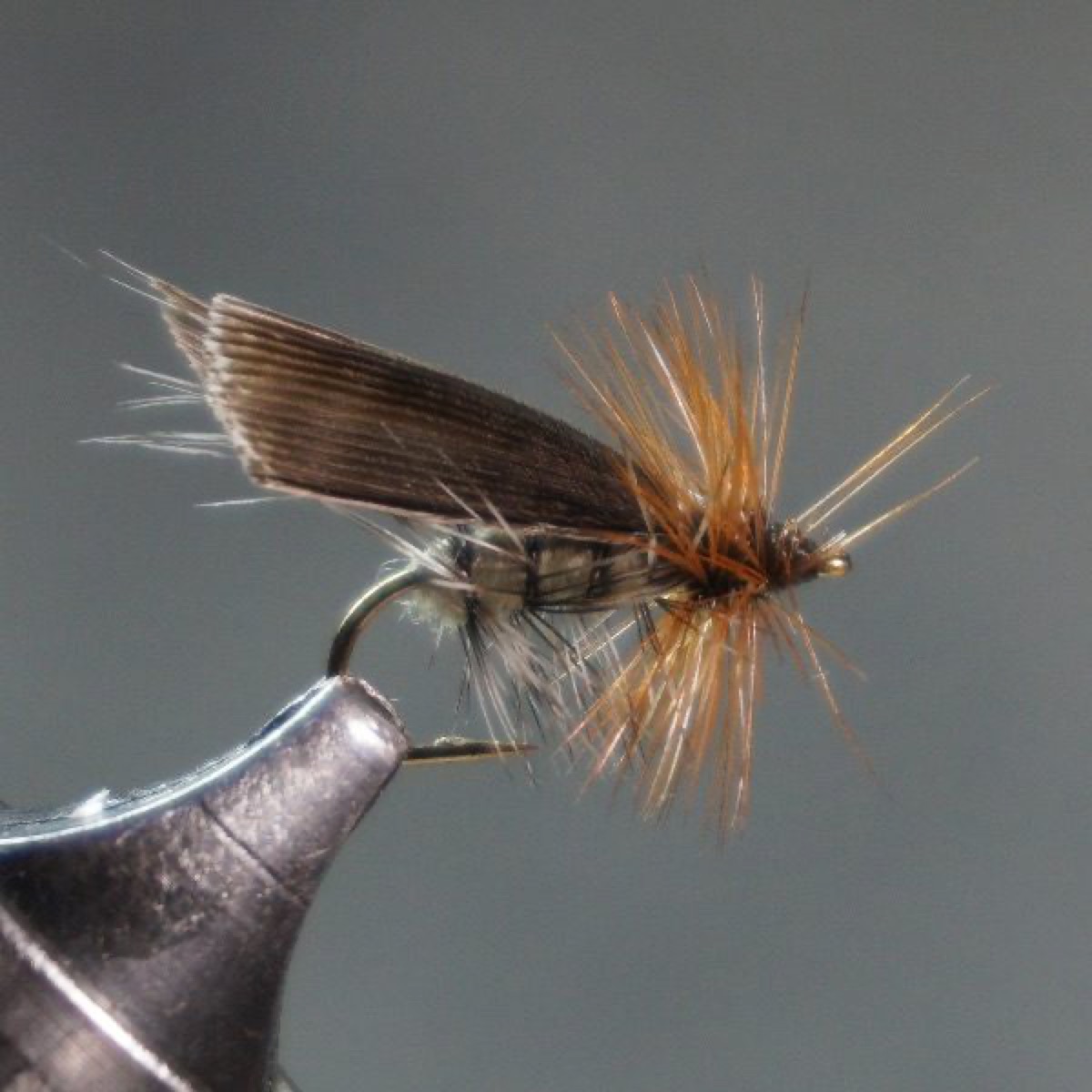
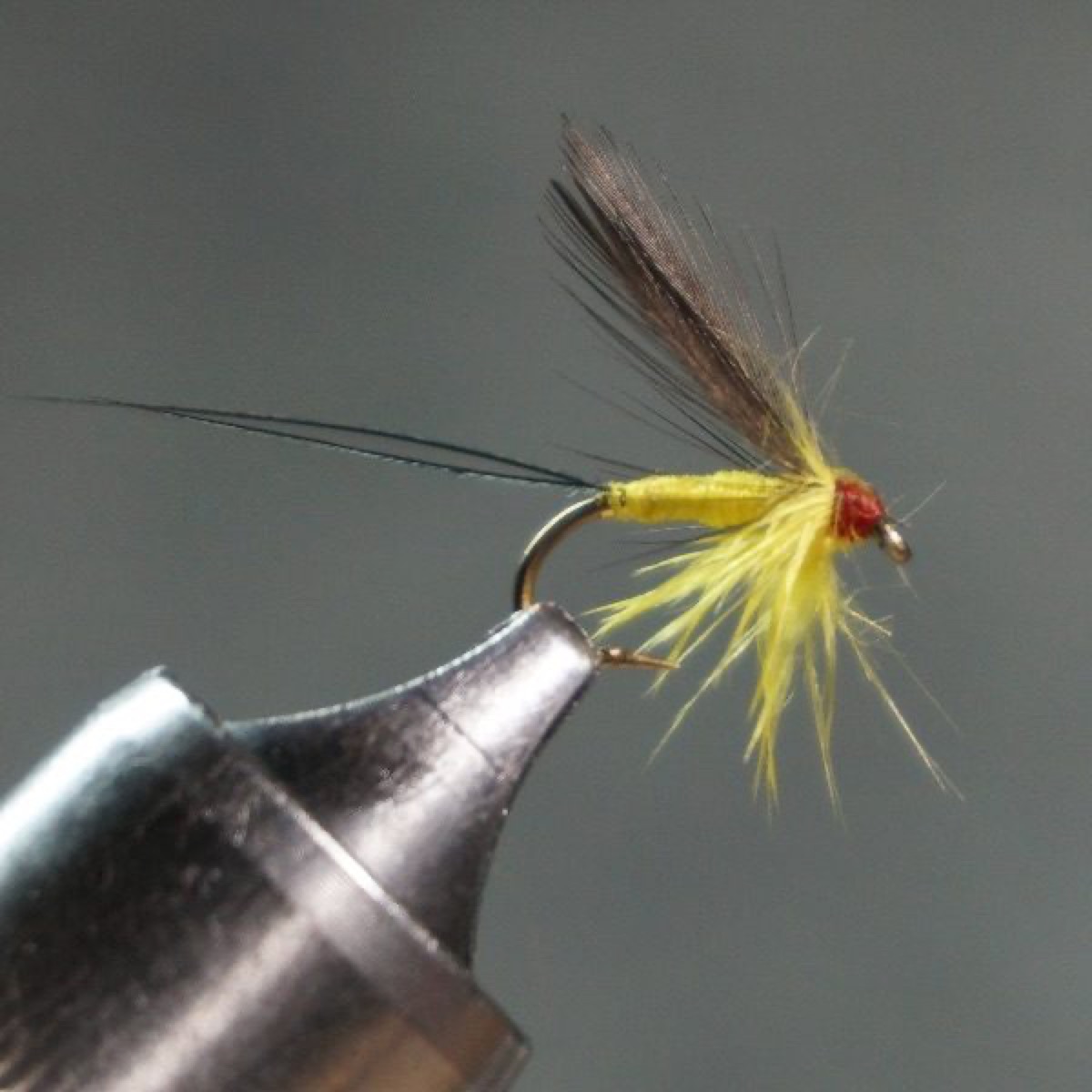
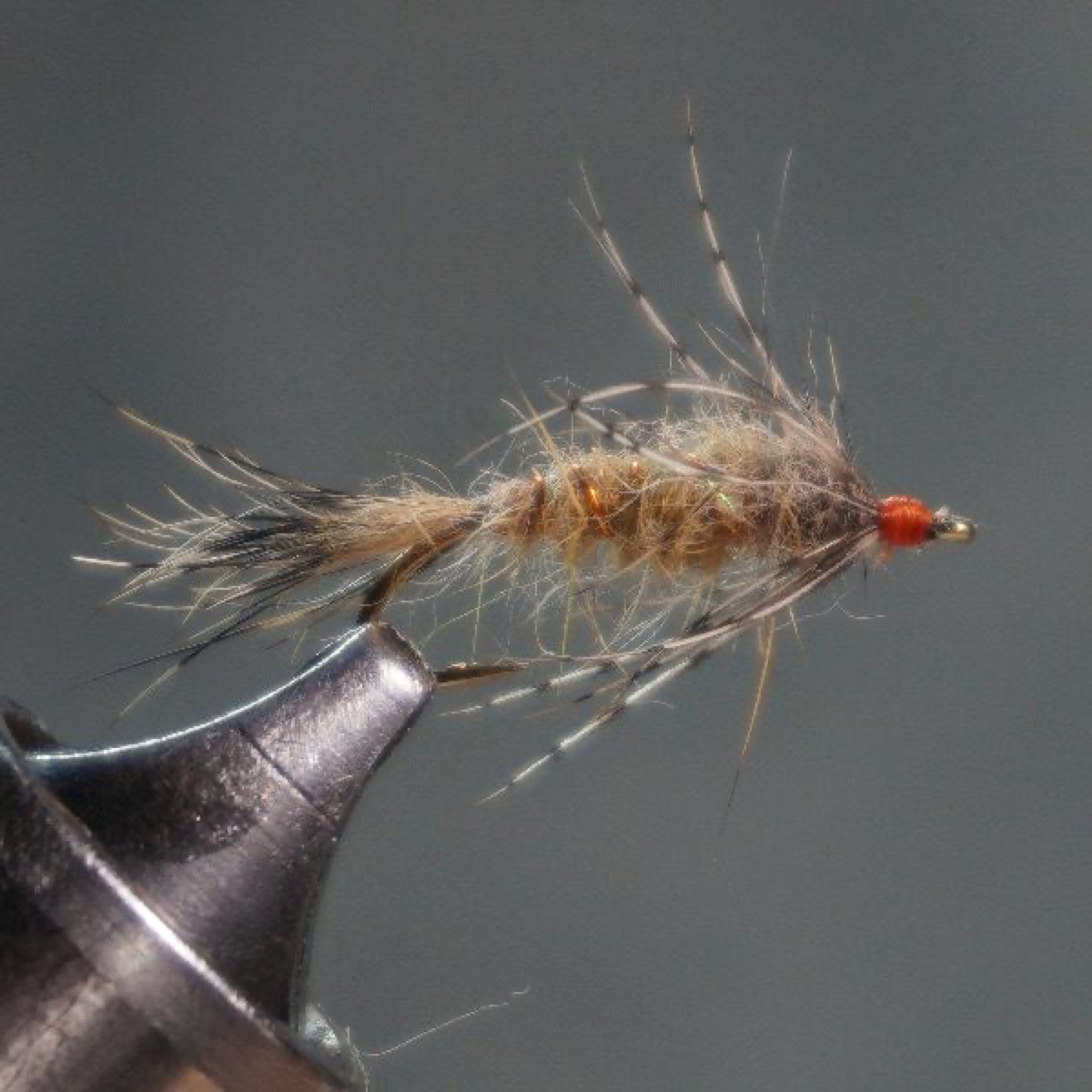
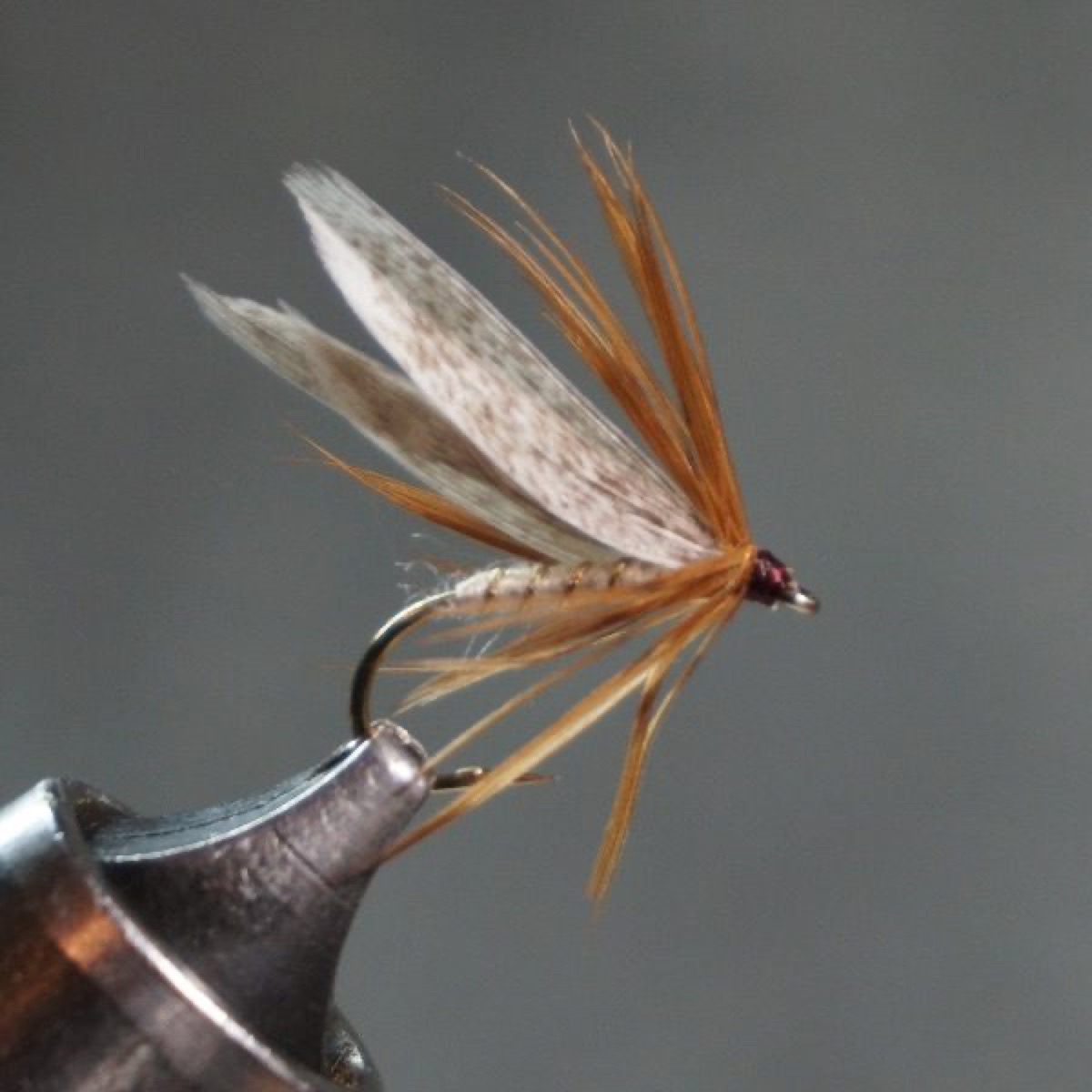
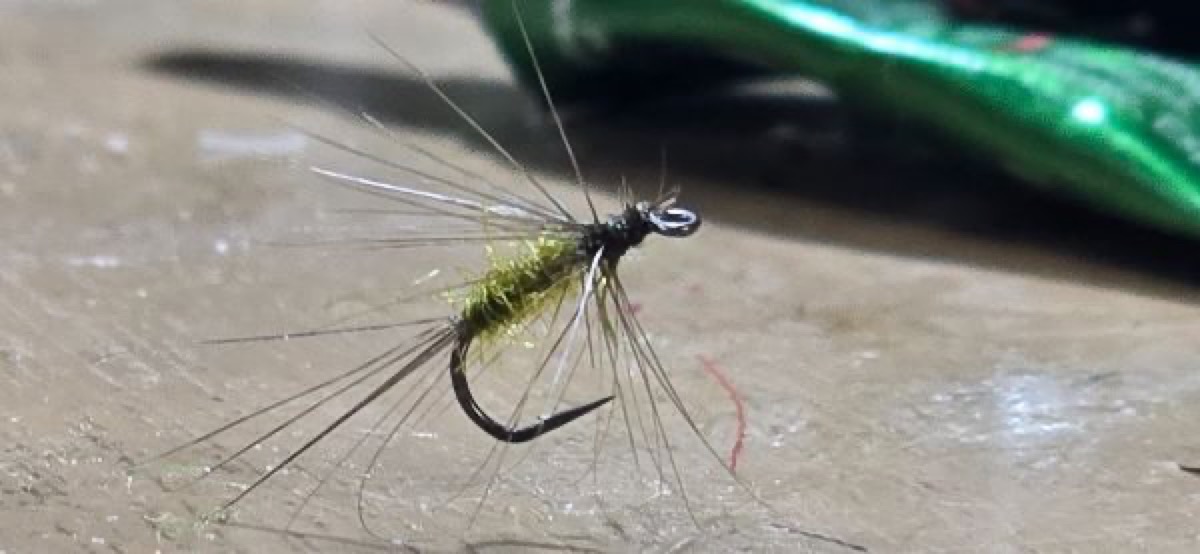
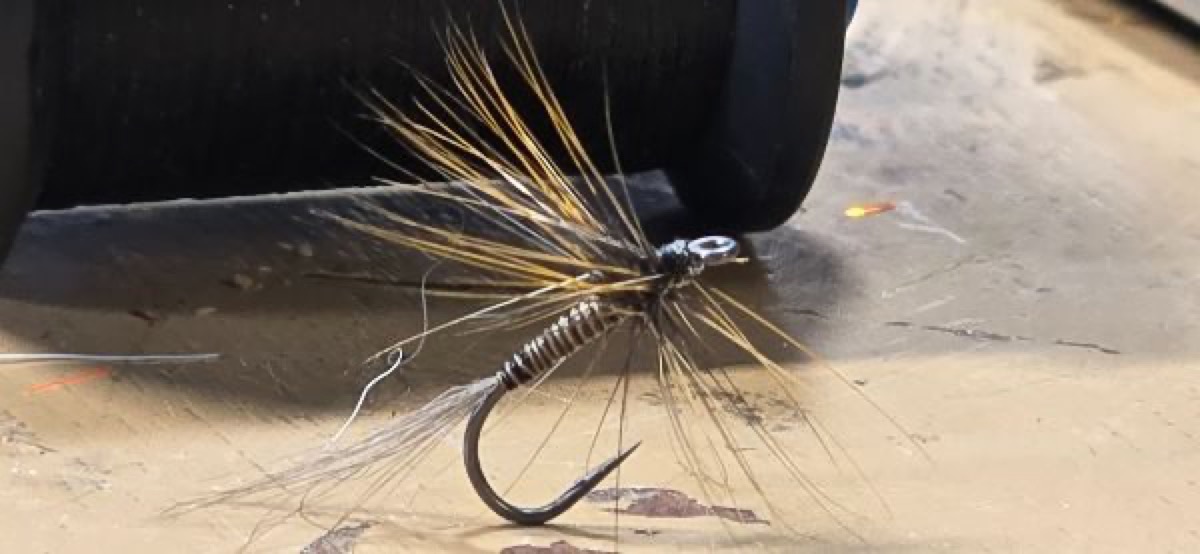
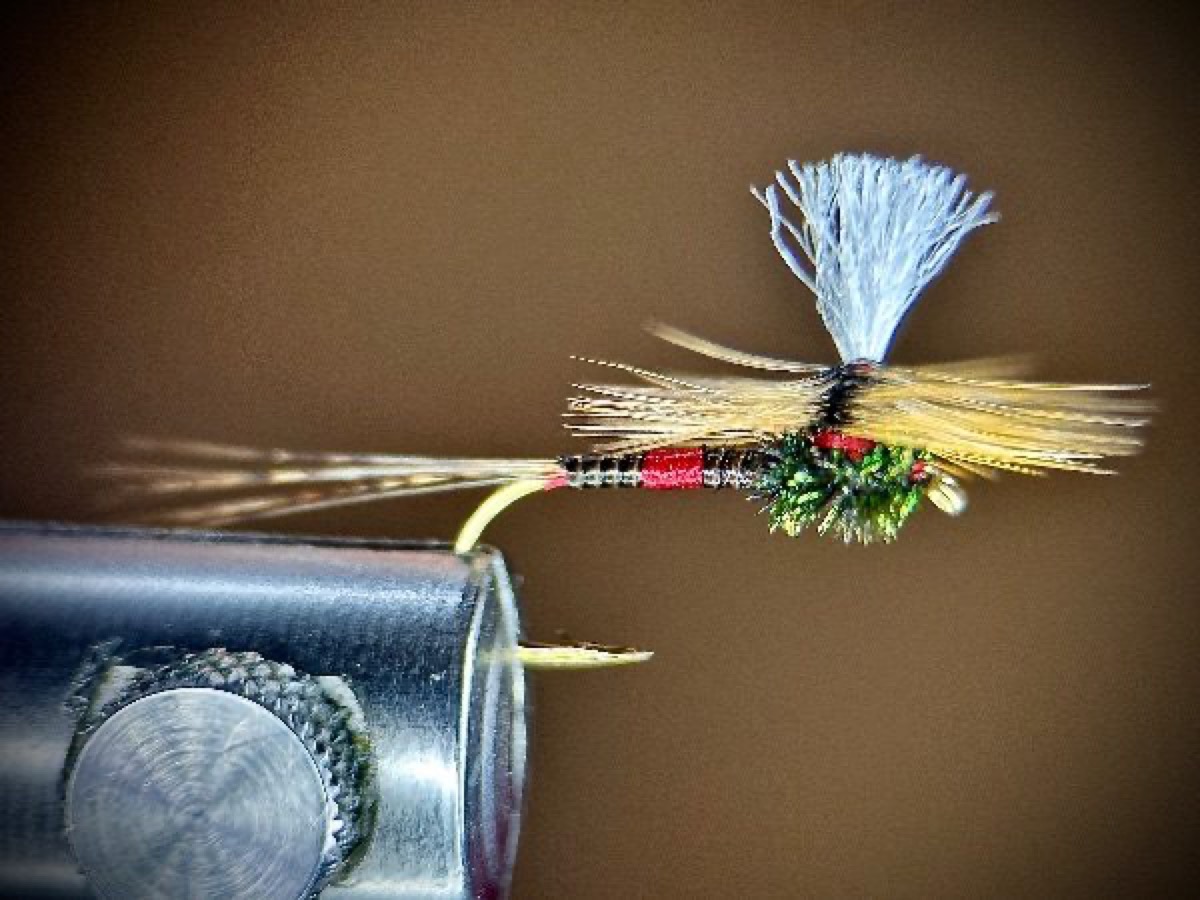
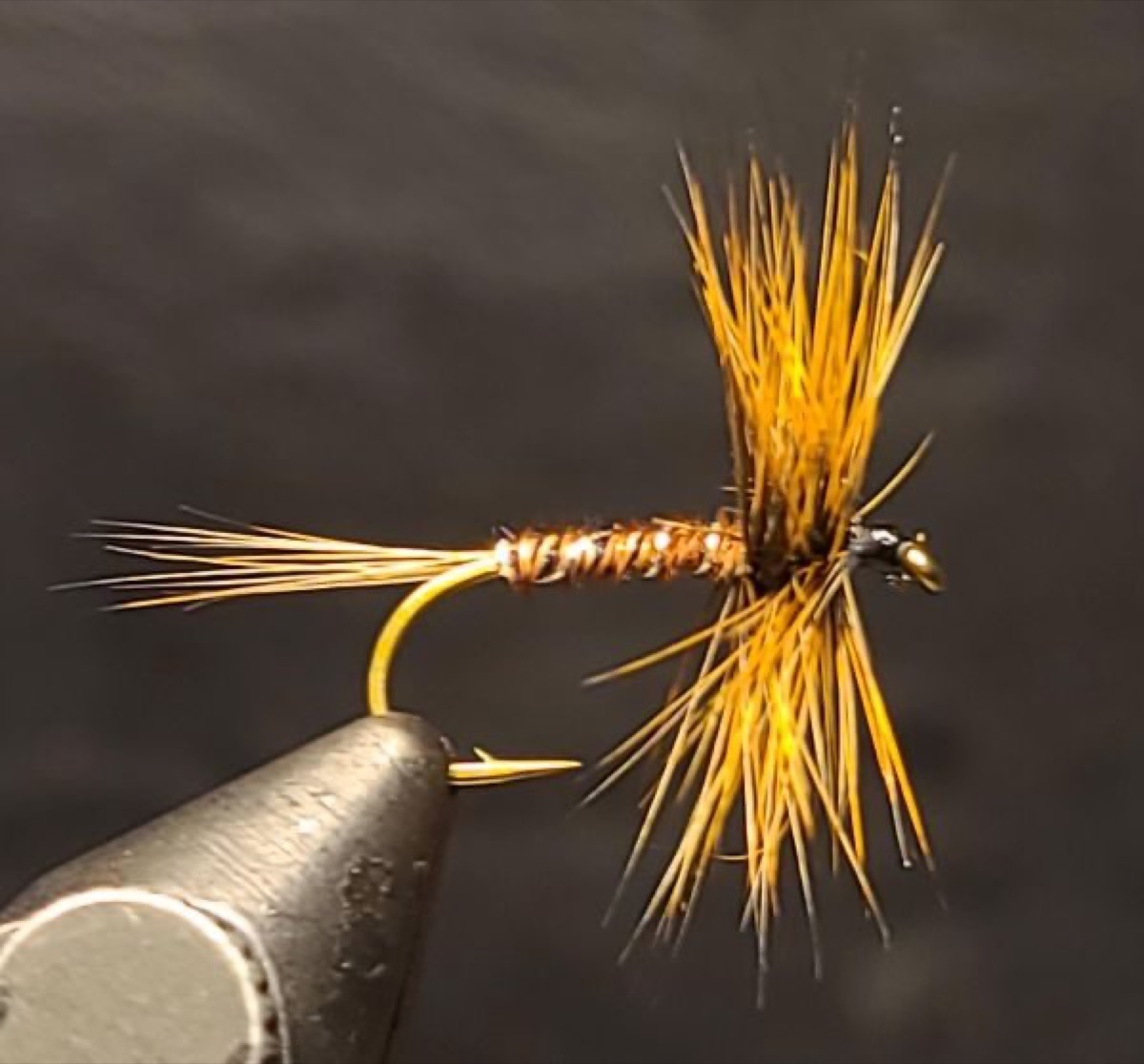
Black Gnat
Tied by Christian Andrews
Black Gnat recipe
| Hook | #22 dry or smaller |
|---|---|
| Thread | Black 14/0 or smaller |
| Tag | gold |
| Body | black ostrich herl (or micro chenille) |
| Wings | black or dark dun hackle tips |
About this fly
tied from the illustration in Favorite Flies and Their Histories (1892) by Mary Orvis Marbury
What the Black Gnat imitates
- Black Gnat (adult) Bibio johannis
- Midge adult (adult)
Where the Black Gnat came from
- Described by Charles Cotton, 1676. Earliest vault record: little Black Gnat of black water-dog fur or coot down, white mallard wing, body as small as possible.Source: Cotton, The Compleat Angler Part II (1676), Elliot ed., May No.6 / June No.10
- Described by Alfred Ronalds, 1836. Natural figured and dressed in the May catalogue.Source: Ronalds, The Fly-Fisher's Entomology (2nd ed. 1839; orig. 1836), No.20, p.76
- Described by Mary Orvis Marbury, 1892. English makers give it lead-coloured wings; Americans usually dress it all black.Source: Marbury, Favorite Flies and Their Histories (1892), No.101
- Described by Thomas Best. Little Black Gnat of black ostrich herl and pale starling wing.Source: Best, A Concise Treatise on the Art of Angling (vault copy c.1810 ed.; first pub. 1787), March and June lists
- Originated by unknown, England. Cotton lists a little Black Gnat in March (No.6) and another in June (No.10). Traditional imitation of small black diptera; no maker recorded.Source: Cotton, The Compleat Angler Part II (1676), Elliot ed., May list No.6 and June list No.10
Where sources tell it differently, each account is listed with its own source.
In the old books
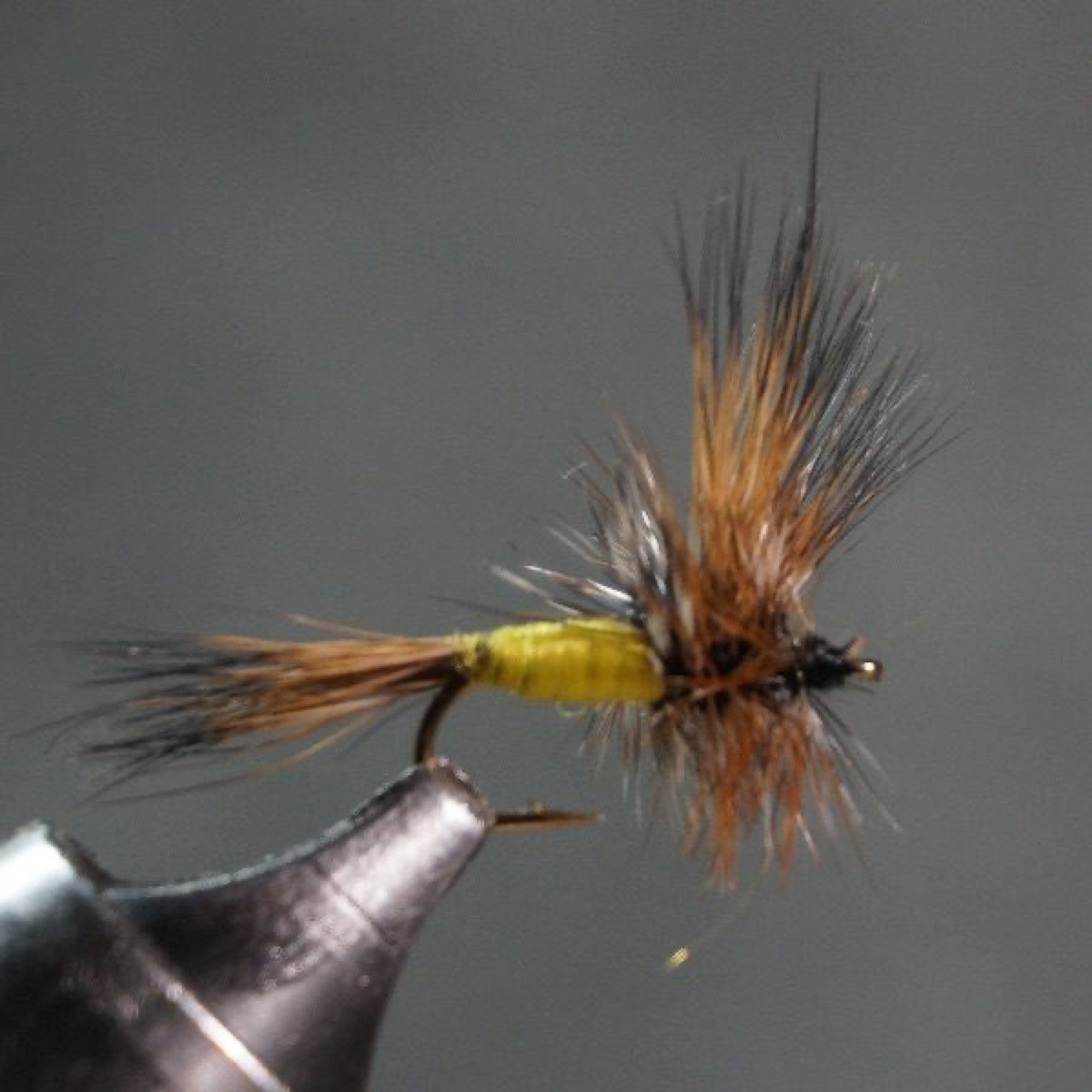
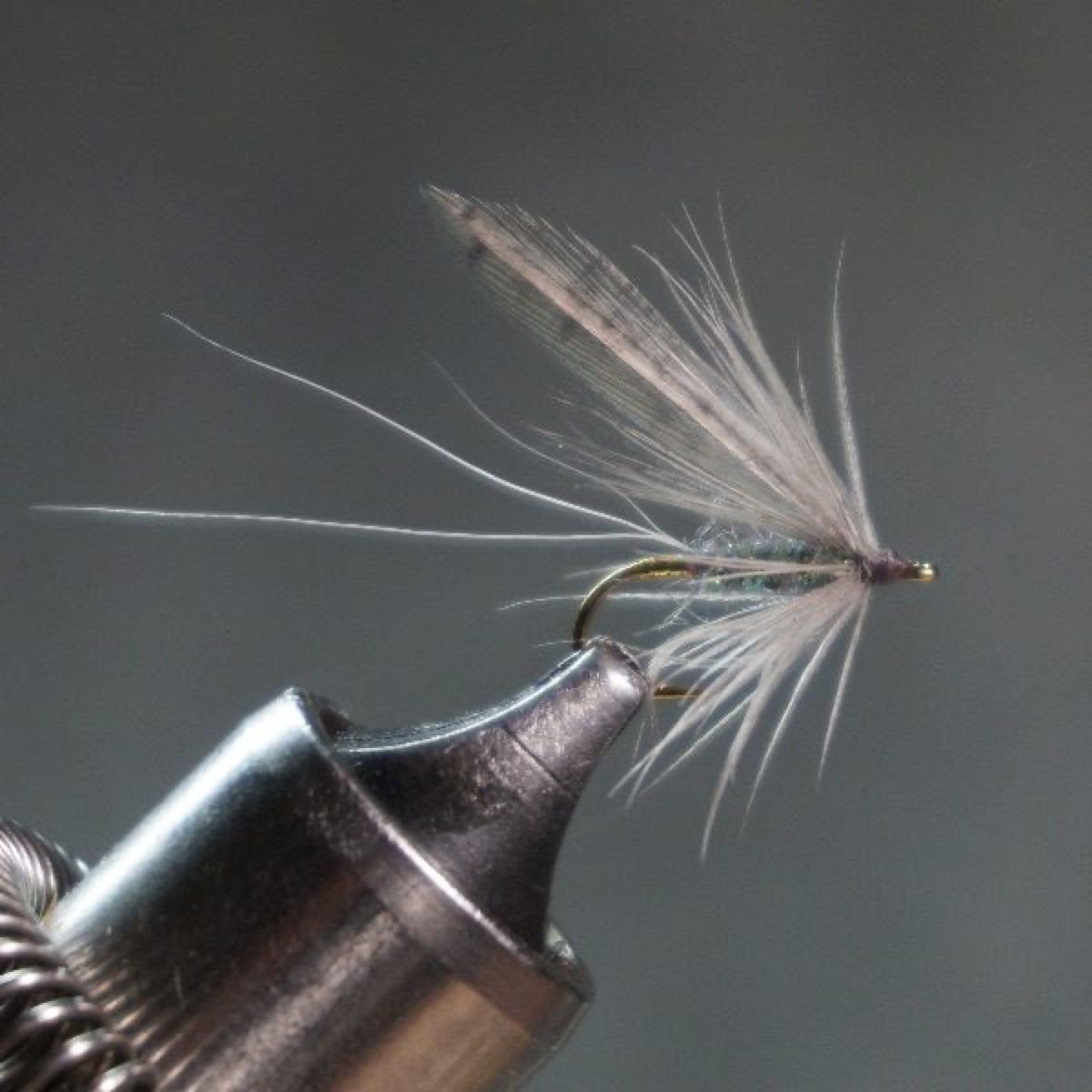
Original dressing as pictured in Edmonds & Lee, Brook and River Trouting (1916), Plate p45, No. 22. The photo above is a later tie, not the original.
Inside the vault every material on this fly opens to its own card, and you can save the fly to your own boxes.