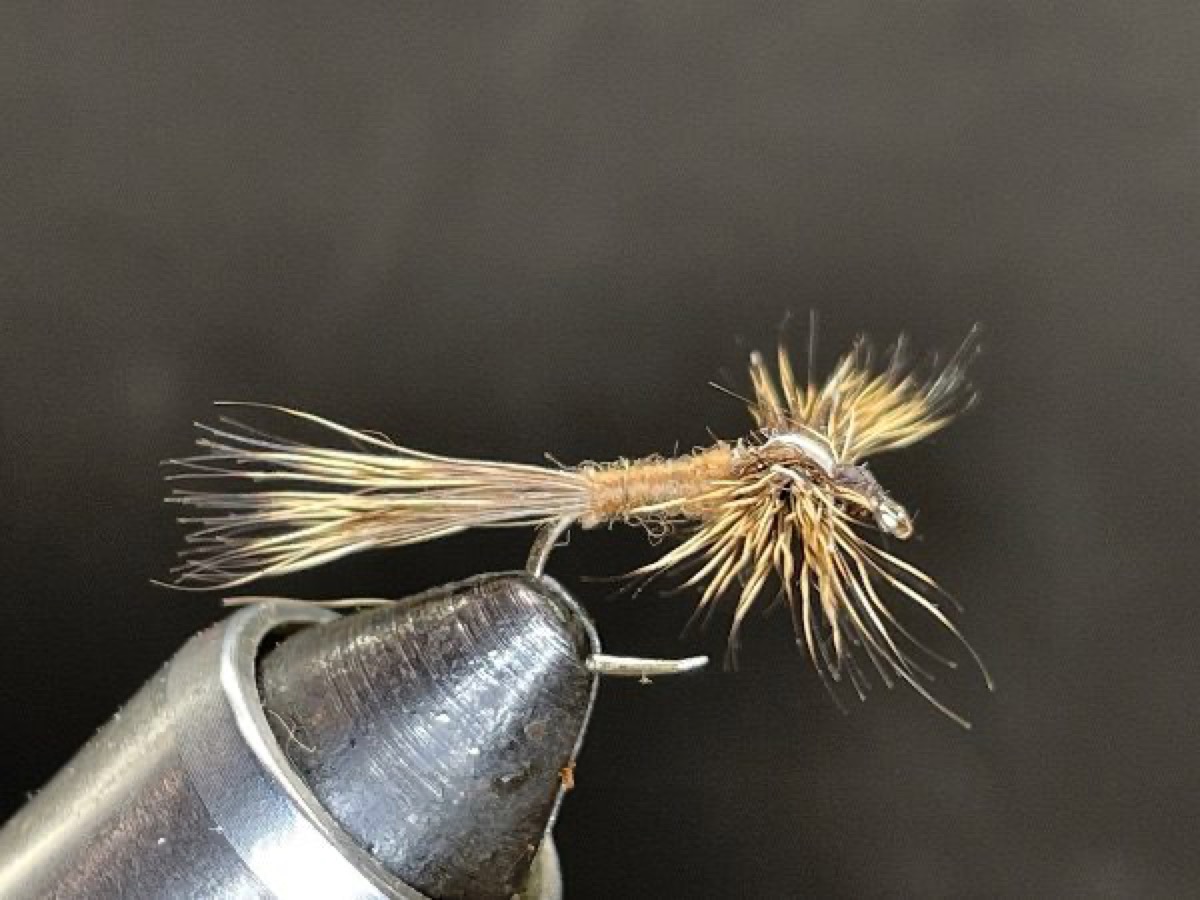
 FLY
FLY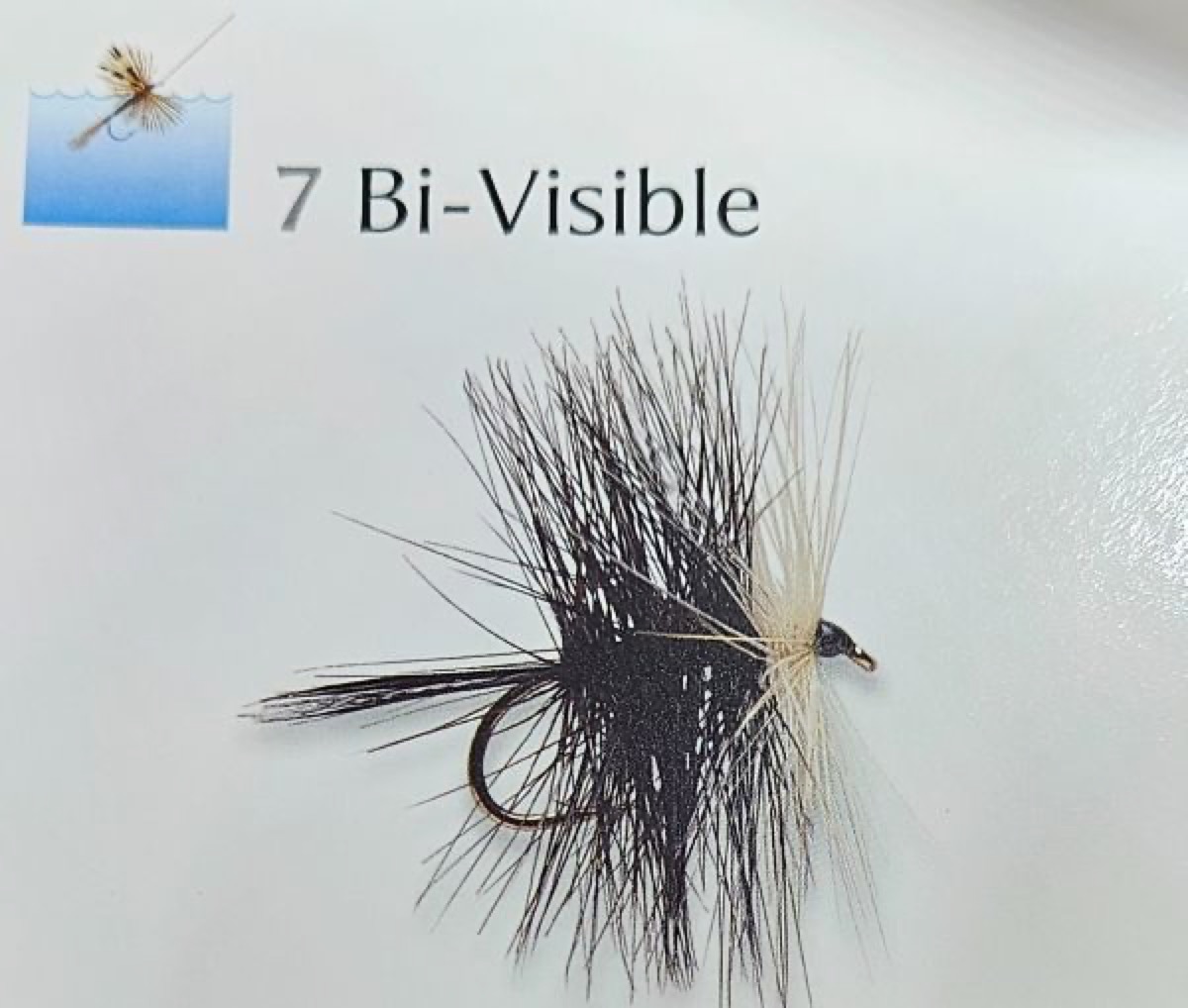
Dry Fly
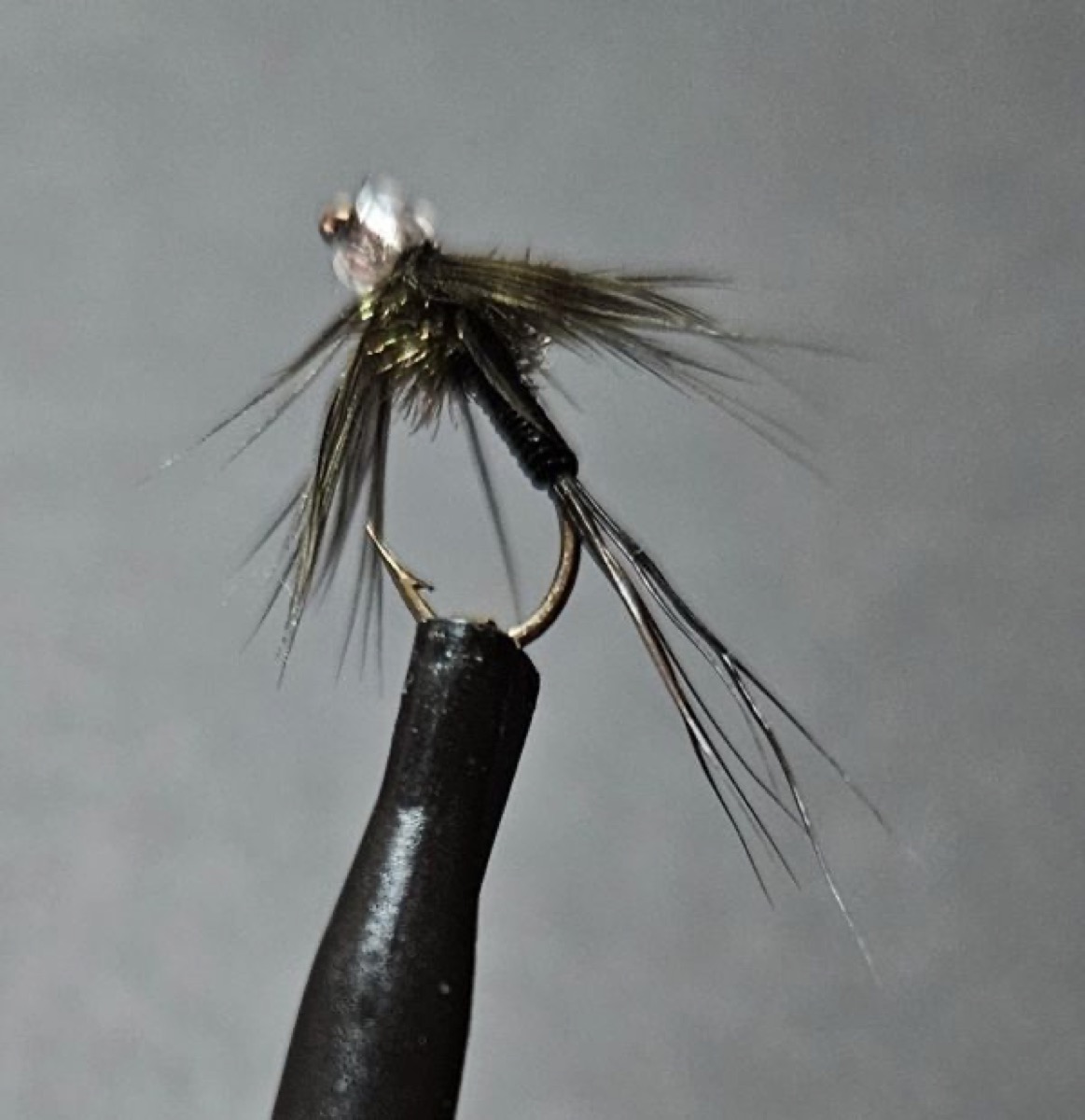
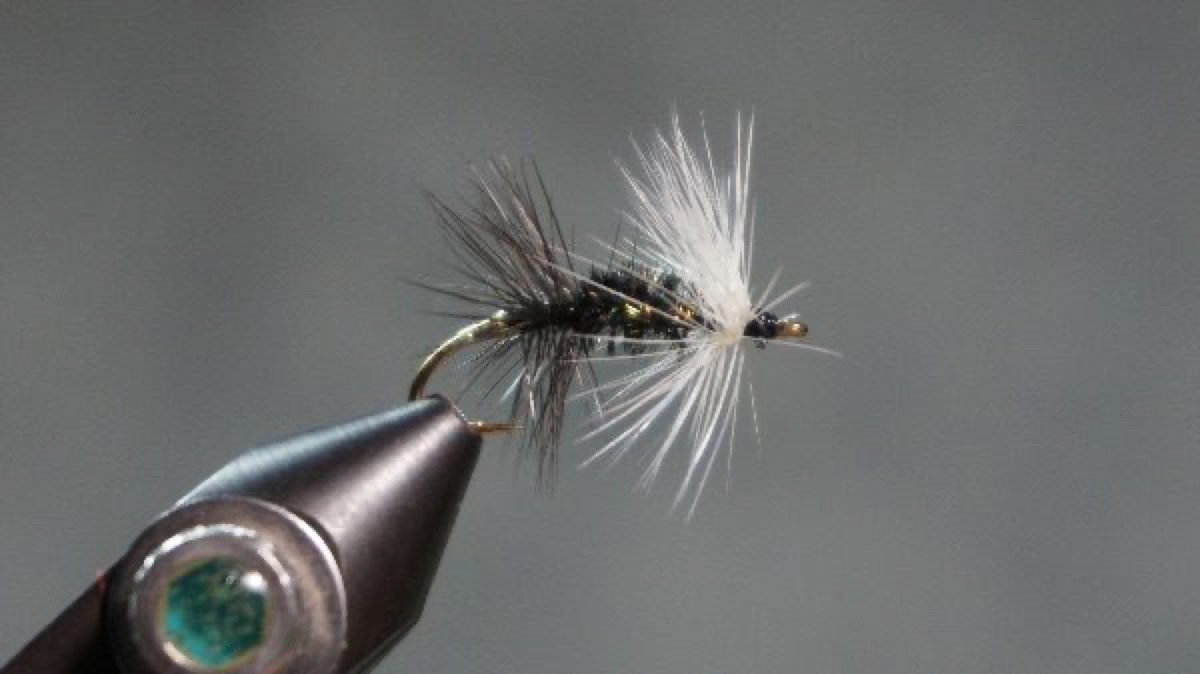
Bi-Visible
Tied by Will Arrant
Bi-Visible recipe
| Hook | Dry Fly #10 |
|---|---|
| Thread | Black |
| Tail | Black Hackle Fibers |
| Hackle | White Cock Hackle |
| Body | Black Cock Hackle |
What the Bi-Visible imitates
- Mayfly dun (adult dry)
Where the Bi-Visible came from
- Described by Edward R. Hewitt, 1926. Hewitt's own book describing the fly; seen secondhand.Source: Hewitt, Telling on the Trout (1926), as cited by RiverKeeper Flies: Bi-Visible
- Originated by Edward R. Hewitt, Neversink River, Catskills. Dates it to the 1920s.Source: Wikipedia: Brown Bi-visible (citing Valla, The Founding Flies, 2013)
- Derived from Palmer Sedge, England. Says Hewitt added a white collar to the old English Palmer Sedge.Source: Southern Wisconsin TU: Brown Bivisible
- Popularized by Ray Bergman. Bergman strongly endorsed it.Source: Wikipedia: Brown Bi-visible (citing Bergman, Trout, 1952)
Where sources tell it differently, each account is listed with its own source.
Inside the vault every material on this fly opens to its own card, and you can save the fly to your own boxes.