 FLY
FLY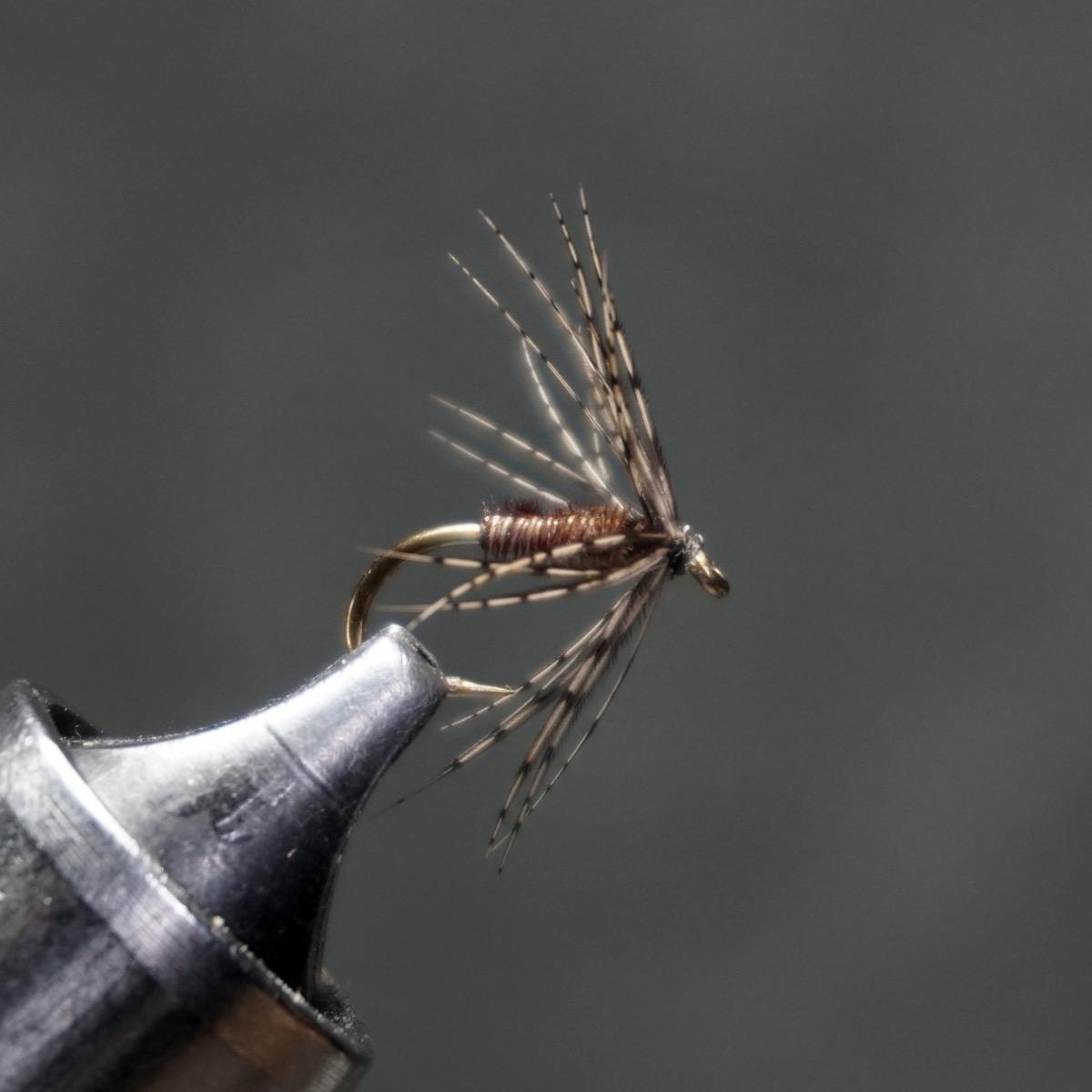
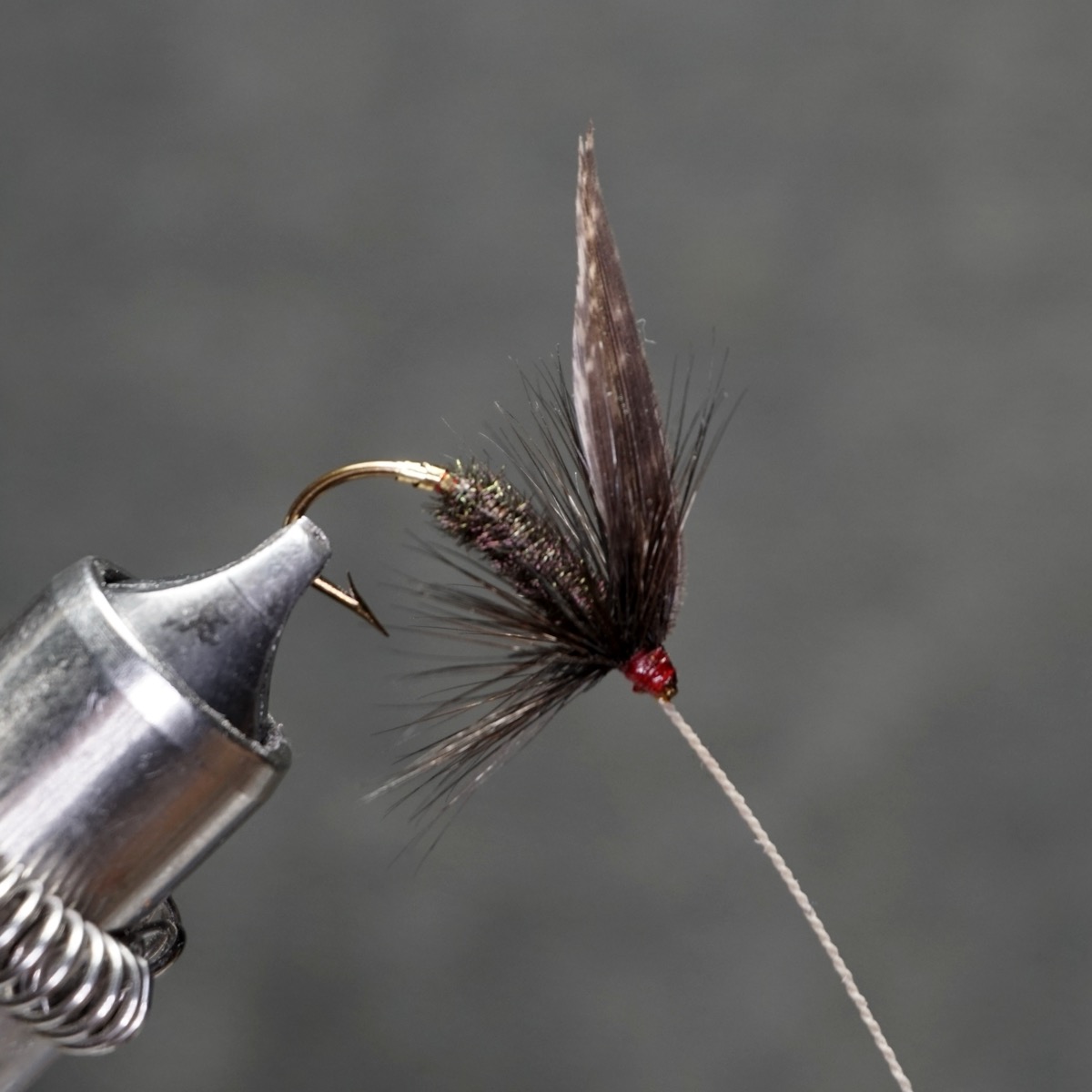
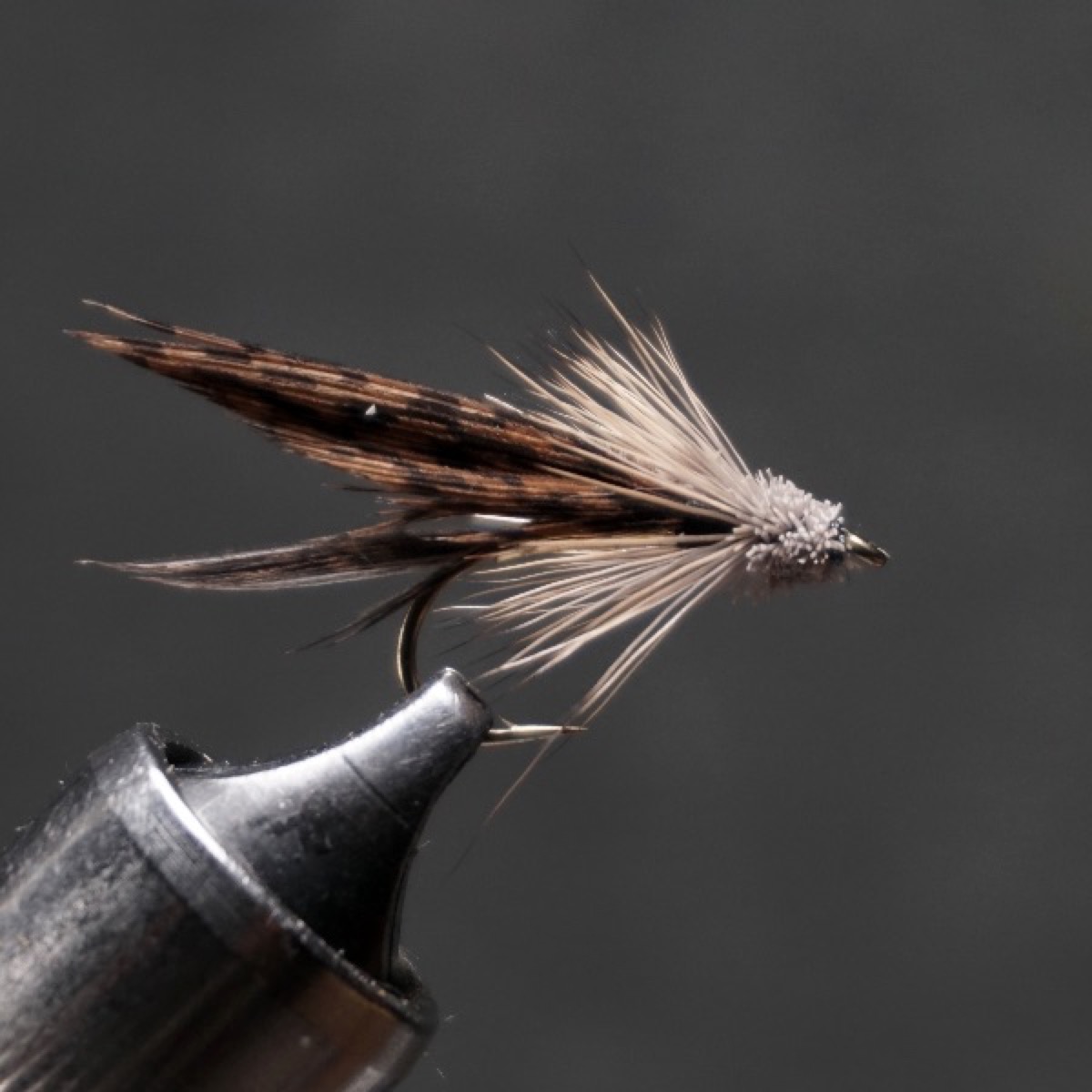
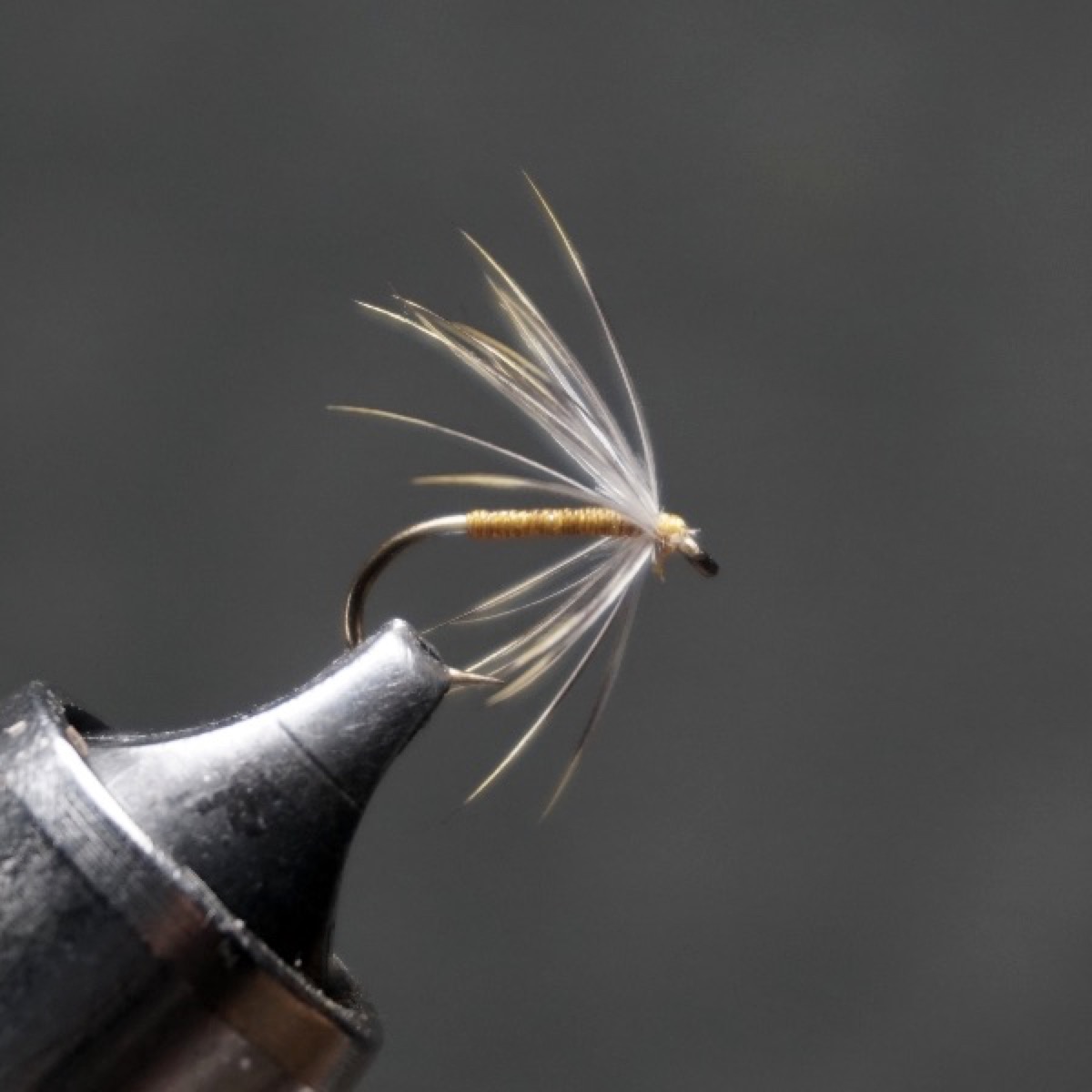
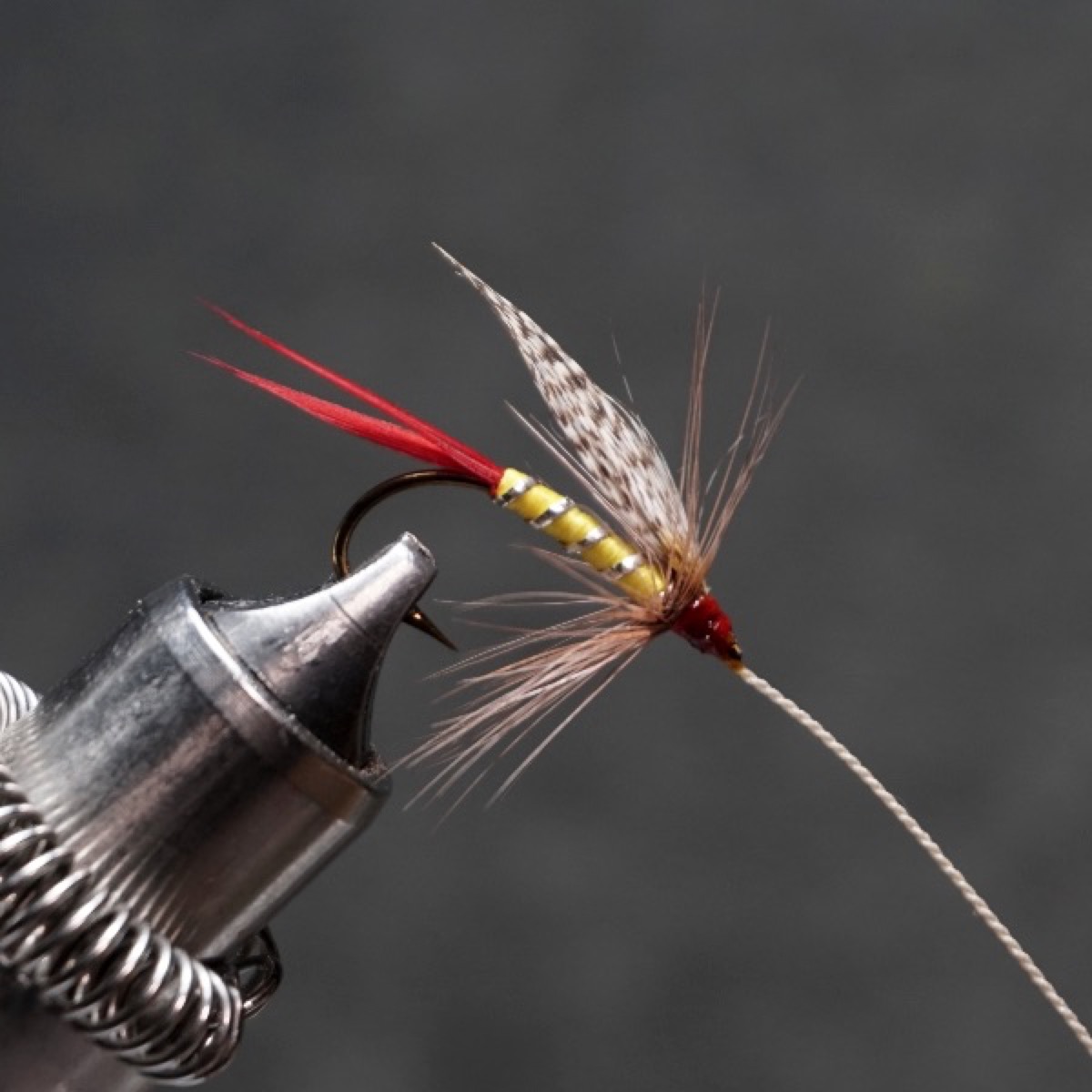
North Country Spiders
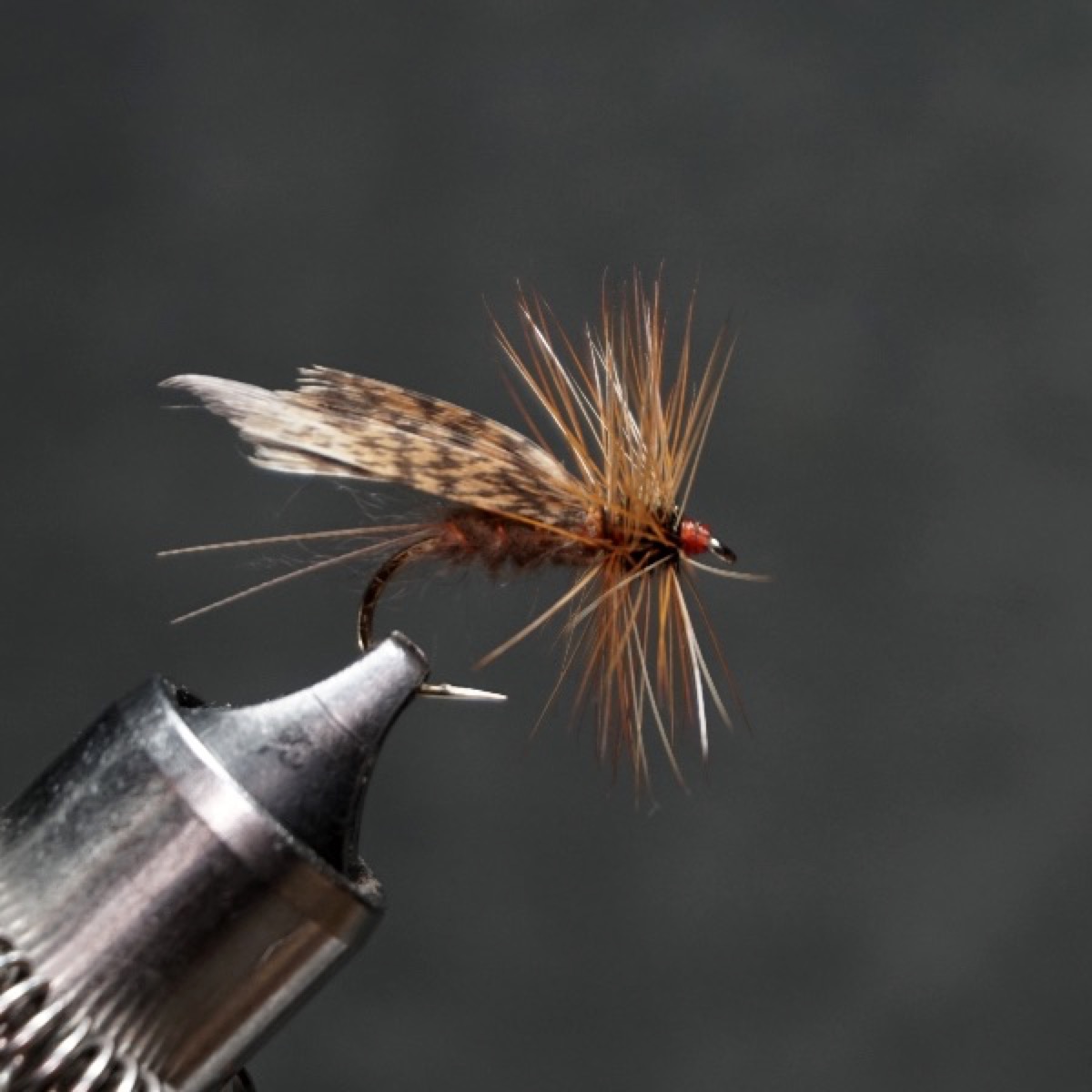
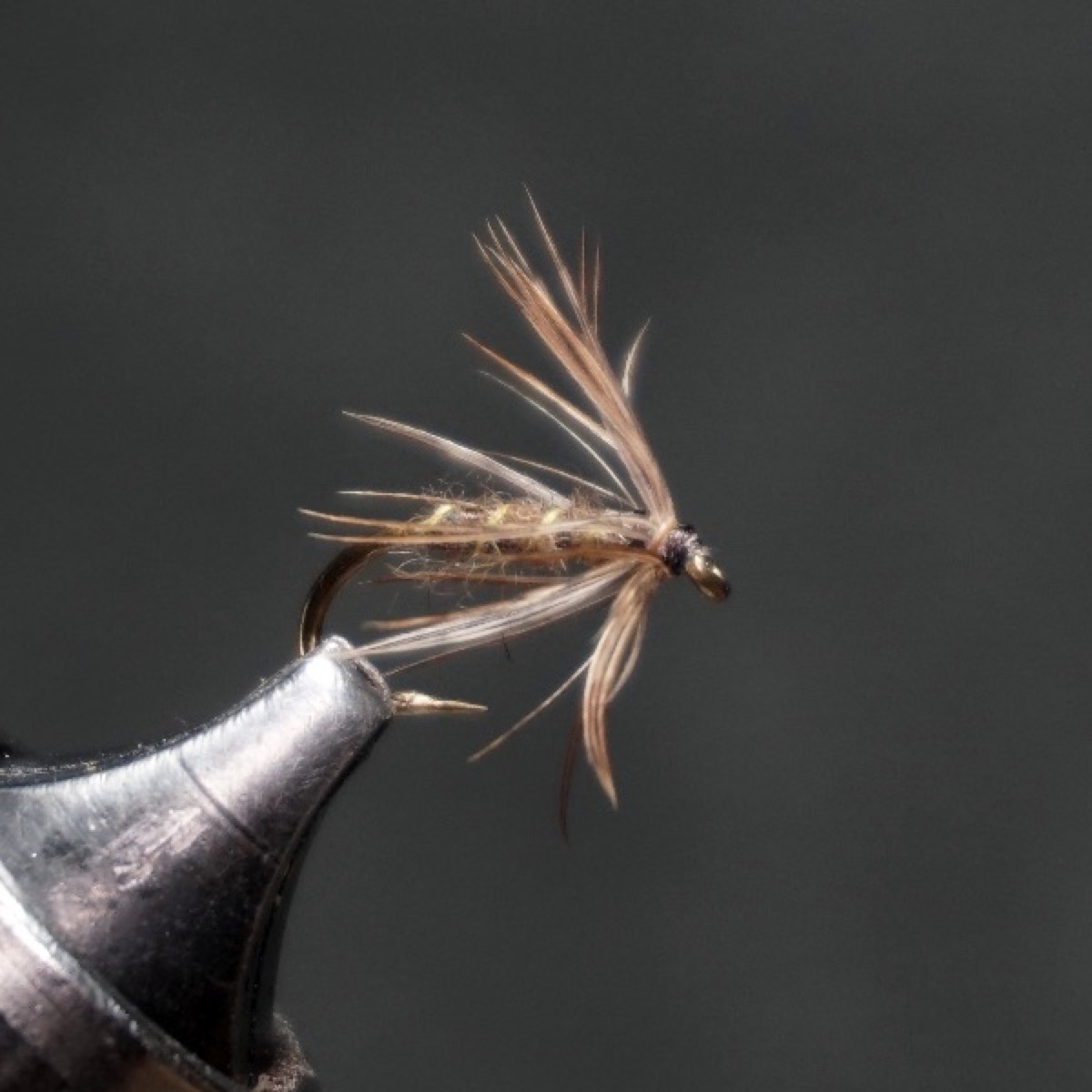
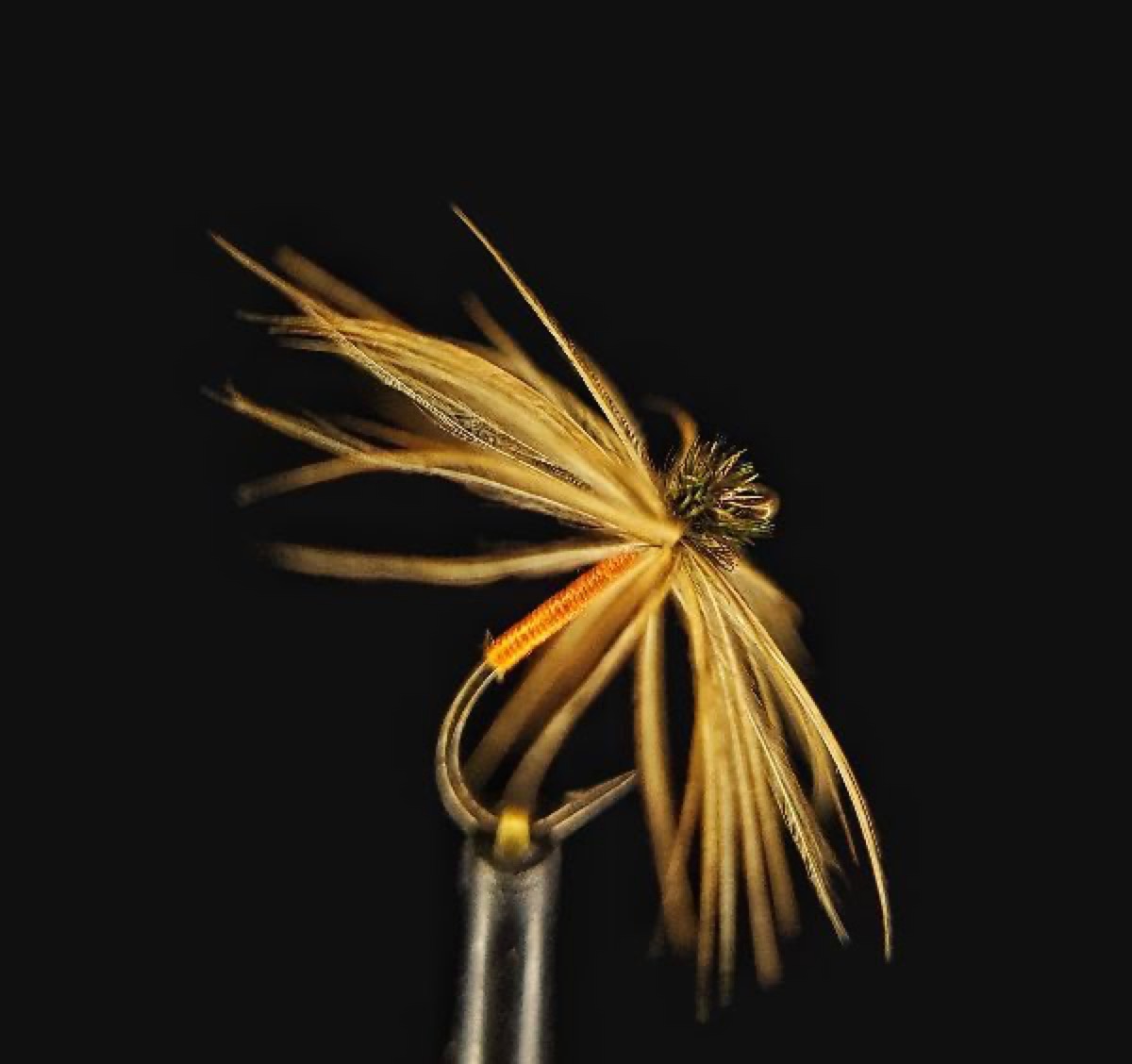
Autumn Dun
Tied by Christian Andrews
Autumn Dun recipe
| Hook | #14 |
|---|---|
| Thread | brown silk |
| Body | Pheasant tail barbs |
| Hackle | brown partridge |
About this fly
using the recipe in The Art of the Wet Fly by W. S. Roger Fogg
What the Autumn Dun imitates
- Autumn Dun (dun) Ecdyonurus dispar
- Mayfly dun (adult dry) (dun)
Where the Autumn Dun came from
- Described by F.M. Halford, 1886. Earliest vault record: snipe wing, undyed heron herl body, palest blue dun hackle. / Repeats dressing among his hundred best patterns.Source: Halford, Dry-Fly Entomology (1897), No.28 | Halford, Floating Flies and How to Dress Them (1886), No.20 p.88
- Originated by unknown, England (southern chalkstreams). Named for the pale blue dun seen in autumn; no maker recorded.Source: Halford, Floating Flies and How to Dress Them (1886), No.20 p.88
Where sources tell it differently, each account is listed with its own source.
In the old books
Original dressing as pictured in Marbury, Favorite Flies and Their Histories (1892), Plate V, No. 228. The photo above is a later tie, not the original.
Inside the vault every material on this fly opens to its own card, and you can save the fly to your own boxes.