 FLY
FlyVault Blogs · STREAMERS
The Royal Wulff Streamer Series
One family of flies, five body colours, and the story of how red floss ended up in the middle of it.
By Brent Jones · 2026-11-12
Most of us know the Royal Wulff as a dry fly. White wings riding high, a fat peacock-and-red body, and a float you can see from across the river. What a lot of tyers don't realise is that the same colours have been showing up on streamers for a long time. This series was inspired by Al Ritt's article on the Royal Wulff family in the Winter 2022 issue of Fly Tyer, where he makes the case that the whole family belongs in our fly boxes. So I sat down at the vise and tied it out as a set: one pattern, five bodies.
Where the colours come from
The story starts well before Lee Wulff. In 1878 a New York tyer named John Haily got an order for plain Coachmans with all-peacock bodies, tied extra strong. Peacock herl is fragile, so he wrapped a band of red floss through the middle of the body to hold it together, and gave the fly a barred wood-duck tail while he was at it. L.C. Orvis, Charles Orvis's brother, saw it and named it the Royal Coachman. Mary Orvis Marbury tells that story in her 1892 book, Favorite Flies and Their Histories, and the book is in the FlyVault Library. You can read Haily's own letter about tying it, on the page where she printed it.
Read Haily's letter in Marbury's Favorite Flies (FlyVault Library)In the FlyVault Library ›About forty years later the hair wings came in. In the early 1930s a Hair-wing Royal Coachman turned up with white calftail wings and a golden pheasant tippet tail. Around the same time Rube Cross tied a version for a Beaverkill Trout Club member named Quackenbush, who wanted something other than the fanwing. Cross used impala for the wing. That fly became known as the Quack.
Meanwhile Lee Wulff was going his own way. Starting in the winter of 1929 he tied heavy, hair-winged, hard-floating dries, and he and Dan Bailey fished the first of them on the Esopus in the spring of 1930. Where exactly the Royal Wulff itself came from is still argued about. Some say it grew out of the Quack. Others point to Wulff's hair tail as proof he got there first. Al Ritt lays out both sides in his Fly Tyer piece, and the vault keeps both stories, each with its source.
What isn't in question is that Royal Coachman streamers have been tied for generations, with wings of bucktail, calftail, marabou, hackle tips or duck slips. Not many patterns can honestly say they come as a dry, a wet and a streamer.
The series
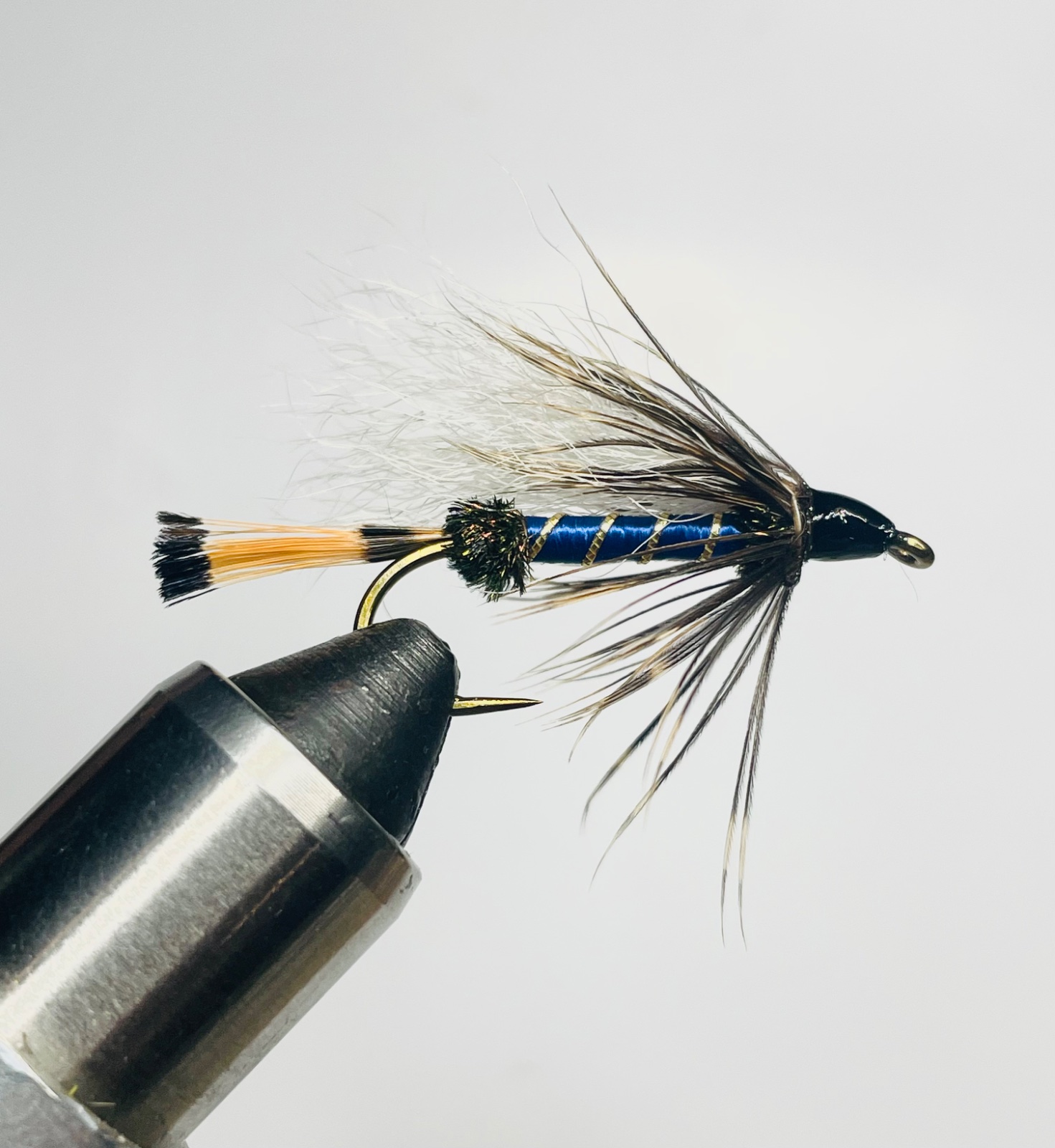
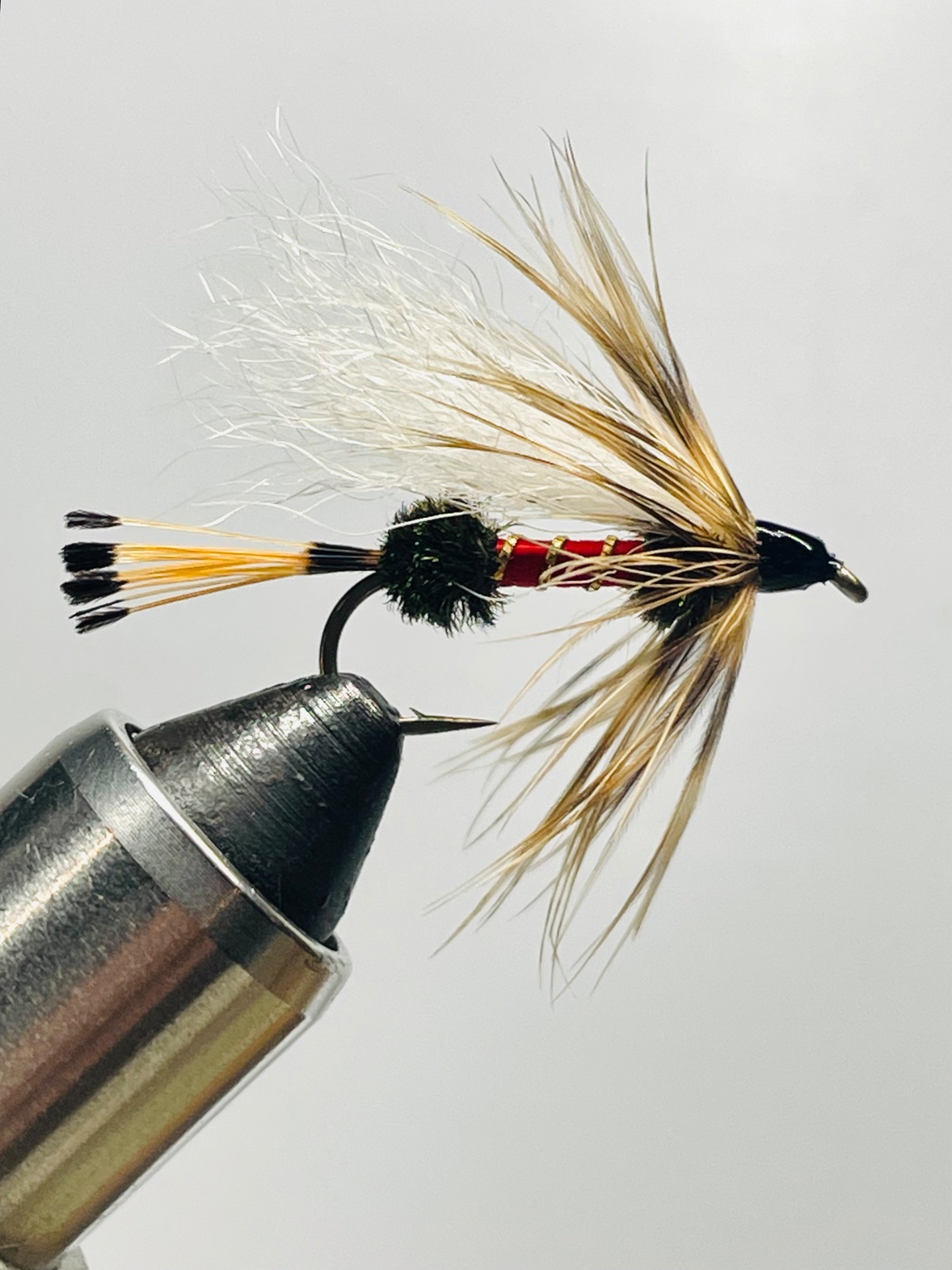
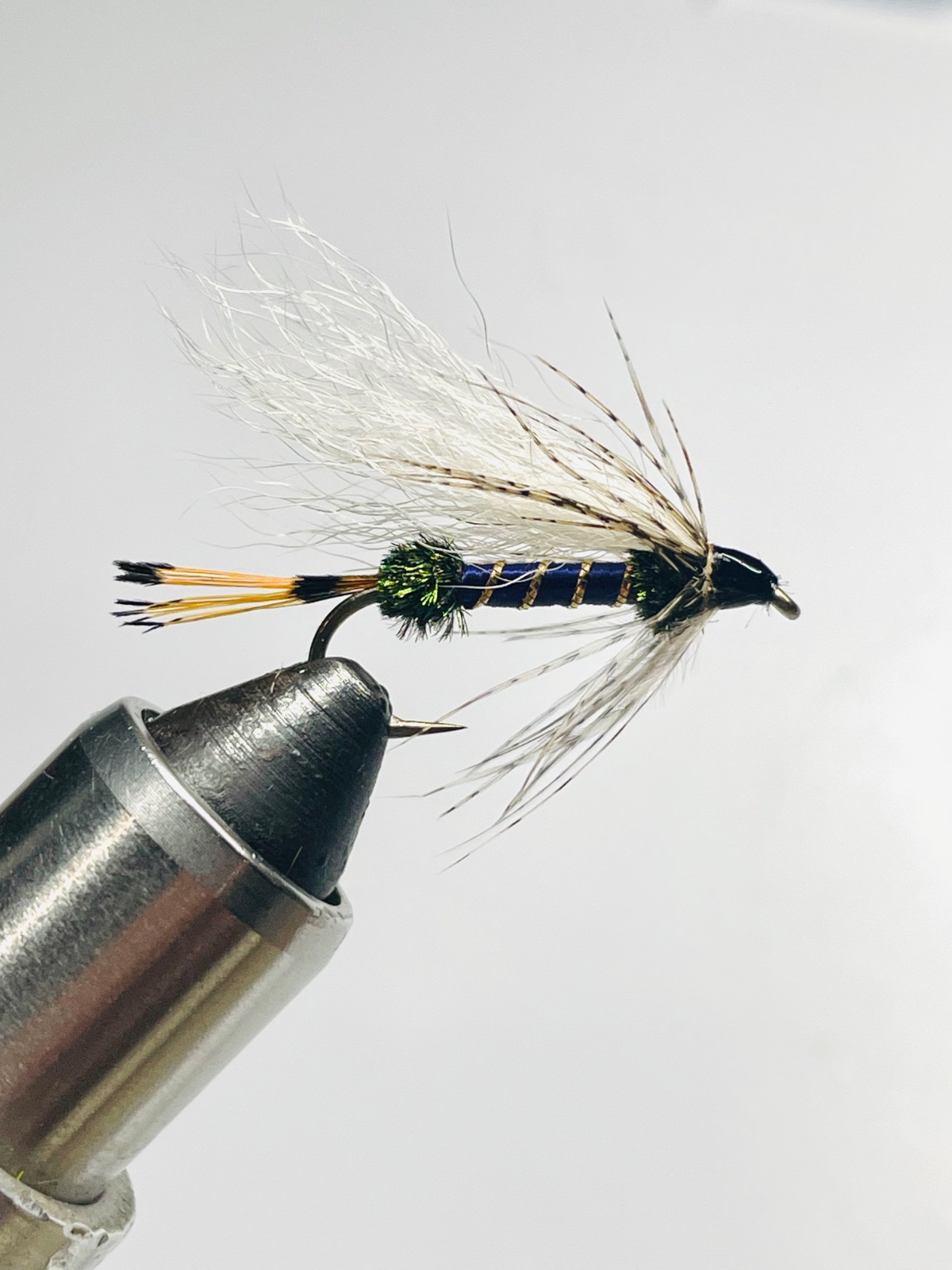
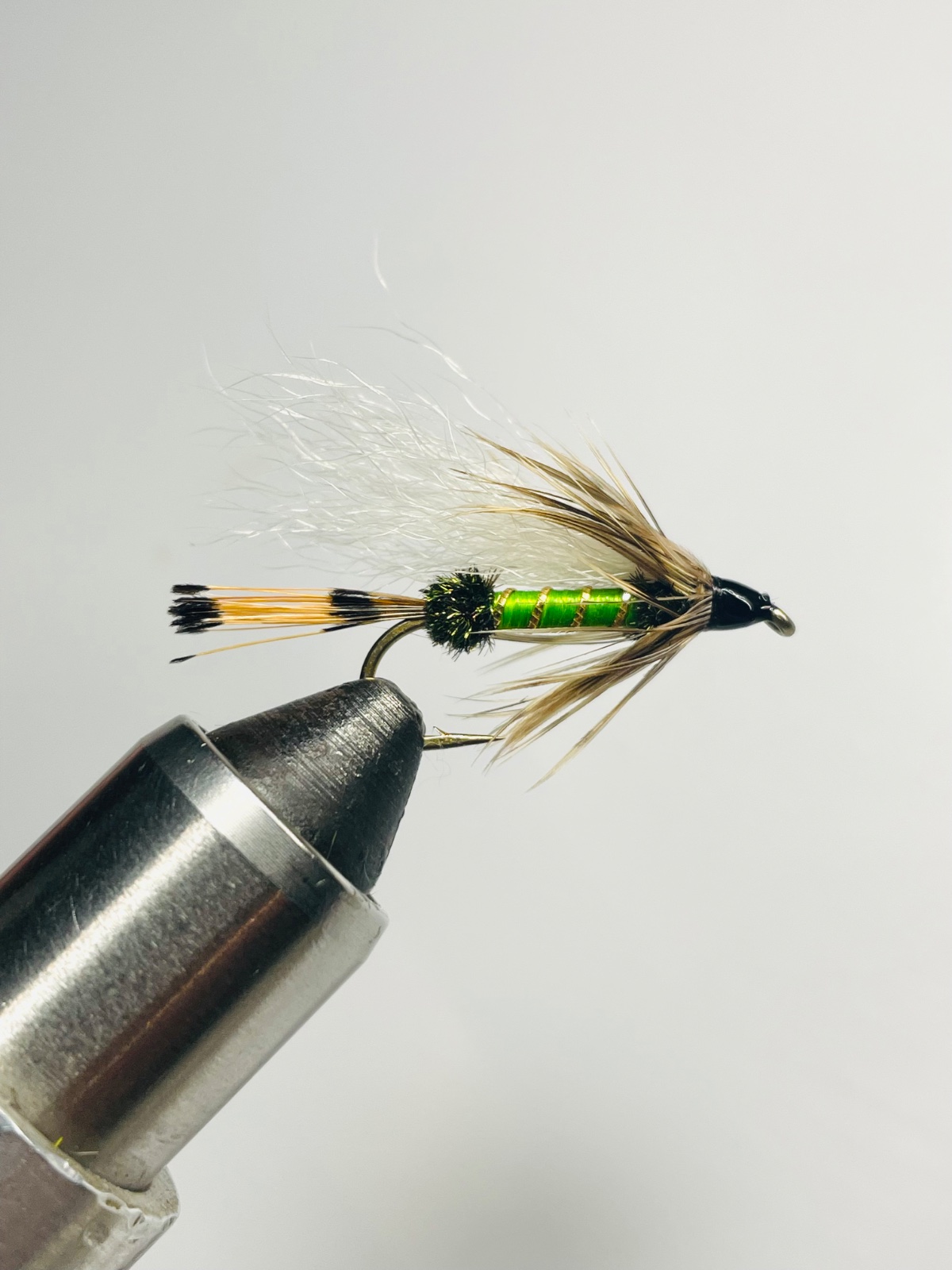
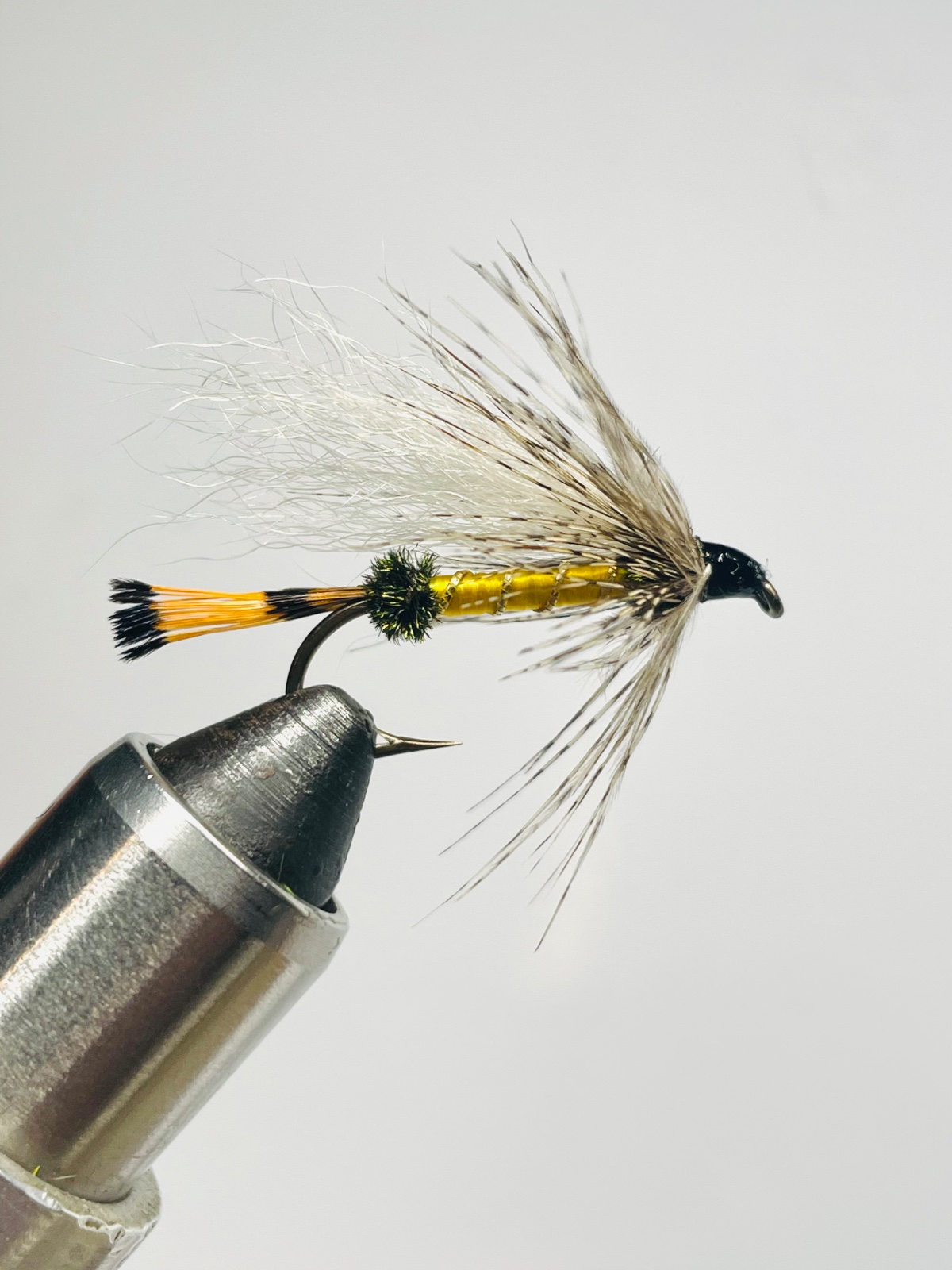
Every fly in the set shares the same bones: golden pheasant tippet tail, a peacock herl butt and shoulder, gold oval tinsel rib, white calf tail wing, a mottled game-bird hackle, and a black head. The only thing that changes is the floss in the middle.
The last two borrow from the South. Down in the Southern Appalachians the Tennessee Wulff swaps the red for green, and the Carolina Wulff from eastern North Carolina goes with yellow. Both work just as well as streamers.
Tie your own
All five are in the vault with full recipes, so pick a colour and sit down at the vise. If you've got a body colour that's done well on your water, tie it up and add it. That's how a family like this keeps growing.